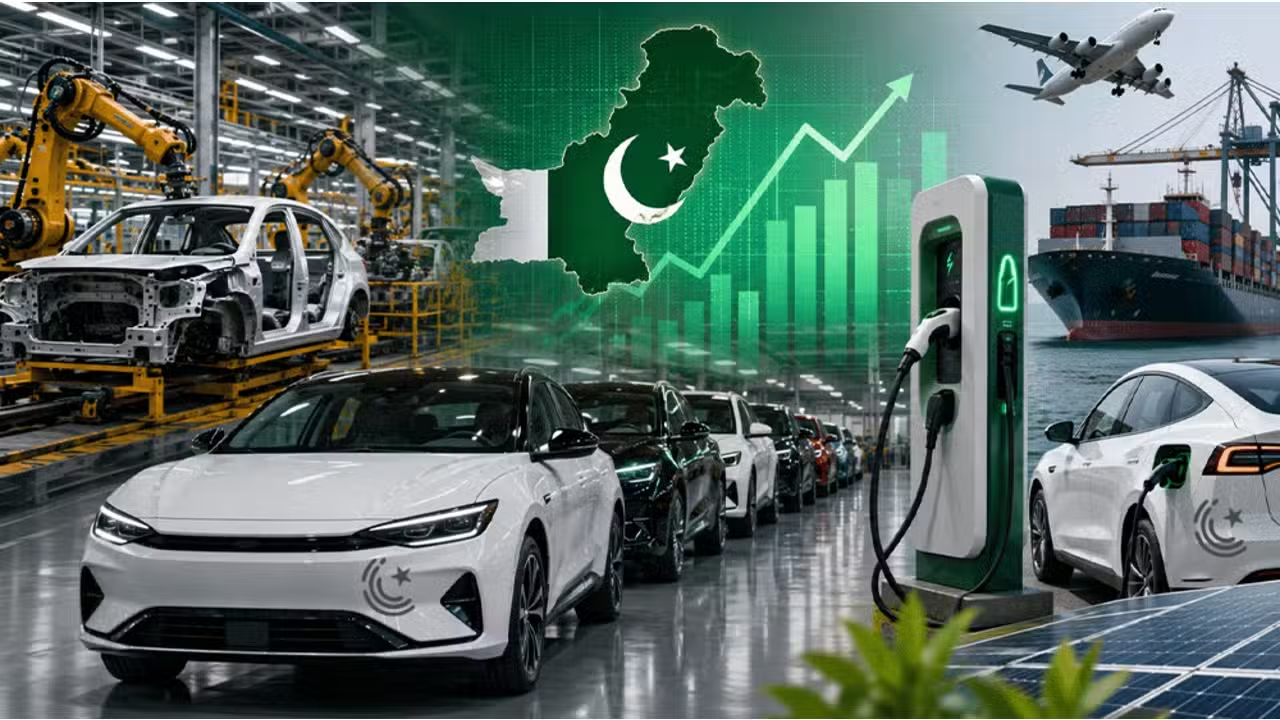
Pakistan Auto Policy 2026-31 and the Electric Vehicle Debate
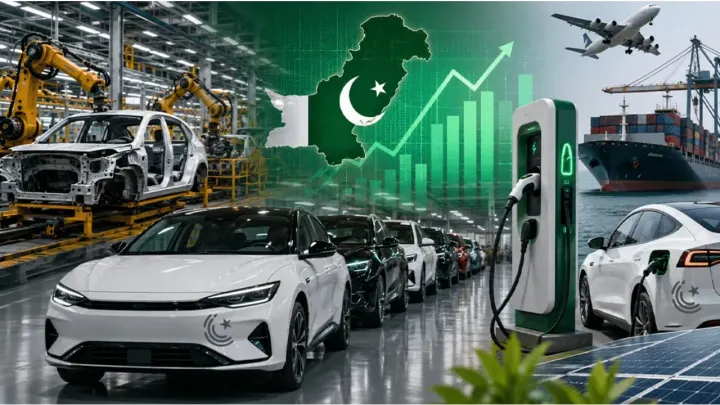
Pakistan's upcoming regulatory framework for the automotive sector is encountering significant resistance from various industry participants. The proposed framework, known as the Auto Policy 2026-31, is currently facing pressure from some industry players seeking changes to proposed tax incentives for new energy vehicles, according to sources familiar with the matter. These developments threaten to alter the trajectory of the nation's transportation sector at a critical juncture for environmental and economic planning.
The sources told ProPakistani that certain industry stakeholders are lobbying the Federal Board of Revenue and the International Monetary Fund to push for higher sales taxes on electric vehicles, potentially delaying the country's transition to cleaner transportation. This behind-the-scenes maneuvering highlights the intense competition and divergent commercial interests within Pakistan's domestic automotive market as traditional manufacturers and newer entrants vie for regulatory advantage.
Understanding the Proposed Tax Structures for New Energy Vehicles
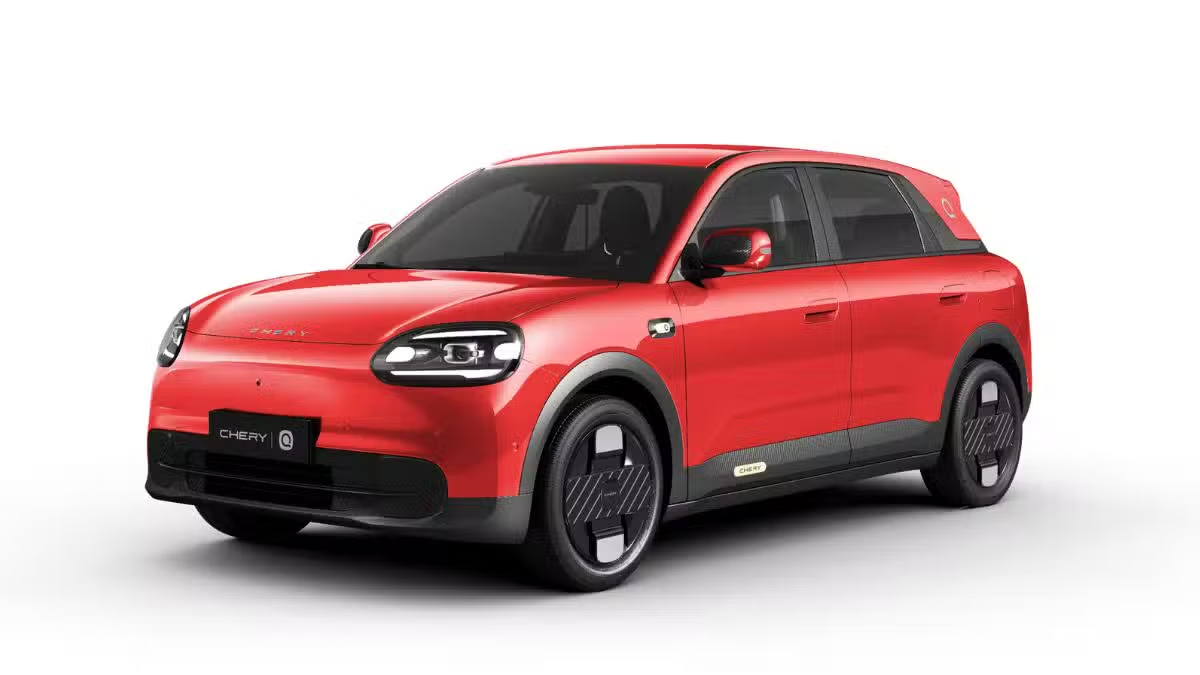
The regulatory blueprint under discussion attempts to categorize modern automotive technologies to apply tailored fiscal measures. The proposed policy offers different tax rates for battery electric vehicles, range-extended electric vehicles and plug-in hybrids. By differentiating between these propulsion methods, policymakers hope to encourage a gradual shift away from traditional internal combustion engines while balancing state revenue generation needs.
The government previously rejected the International Monetary Fund's proposal to impose a uniform 18 percent sales tax on electric vehicles. Instead, the draft policy proposed a 6 percent sales tax on range-extended vehicles and 9 percent on plug-in hybrids. These lower rates were designed to make eco-friendly vehicles more financially attractive to consumers facing high inflation and borrowing costs.
Broader Incentives in the Auto Policy 2026-31
Beyond the sales tax adjustments, the upcoming policy framework incorporates several measures intended to stimulate consumer demand and supply chain investment. The policy also aims to reduce customs duties on eligible imported electric vehicles and expand financing options for buyers. These provisions are meant to address two of the primary barriers to adoption in the local market, namely high upfront purchase costs and limited access to retail credit.
Lowering import duties on specific electric models allows international manufacturers to test the local market without an immediate massive capital expenditure on assembly plants. Meanwhile, expanded financing options help bridge the affordability gap for middle-income households looking to transition away from petrol and diesel cars. Together, these elements form a comprehensive strategy to build a viable domestic market for sustainable mobility.
Potential Economic and Environmental Impacts
The outcome of the current policy debate carries heavy consequences for both the national economy and public health. Sources warn that reversing these incentives could weaken efforts to promote electric mobility and slow Pakistan's transition towards new energy vehicles. A deceleration in electric vehicle adoption would keep the country reliant on costly imported petroleum fuels, putting continued pressure on foreign exchange reserves.
Furthermore, urban centers in Pakistan suffer from severe air pollution, largely driven by vehicular emissions. A successful transition to electric and hybrid transport represents a vital tool in mitigating smog and lowering carbon emissions. If lobbying efforts succeed in raising tax burdens on these technologies, consumers may continue purchasing conventional fuel vehicles, extending environmental degradation in major cities.
The Role of International Financial Institutions
The involvement of the International Monetary Fund in domestic automotive taxation underscores Pakistan's complex economic stabilization programs. International lenders frequently press for broad-based tax collection and the removal of preferential exemptions to boost government revenues. However, sectoral ministries often argue that targeted tax reliefs are necessary for long-term industrial modernization and green transitions.
The friction between revenue collection targets and industrial policy objectives remains a central theme in economic governance. As discussions continue, the final text of the policy will reflect the outcome of negotiations between fiscal authorities, international monitors, and automotive industry lobbies. Further details are expected as discussions over the policy continue.
What Lies Ahead for Pakistan's Automotive Sector
As stakeholders continue to debate the finer points of the regulatory framework, observers are closely monitoring official announcements from the government. The finalization of the Auto Policy 2026-31 will set the rules of engagement for automakers operating within the country for the next several years. Investors, importers, and consumers alike await definitive clarity on whether preferential tax rates for green vehicles will survive the ongoing political and economic pressures.
Market participants must prepare for shifting operational guidelines as the state balances fiscal discipline with environmental commitments. The resolution of this policy dispute will ultimately determine how quickly Pakistan can integrate into the global shift toward electrified transport. Future updates from regulatory bodies will shed light on the final tax schedules and import frameworks.