Prime Minister Andy Burnham Under Fire for Costly International Travel
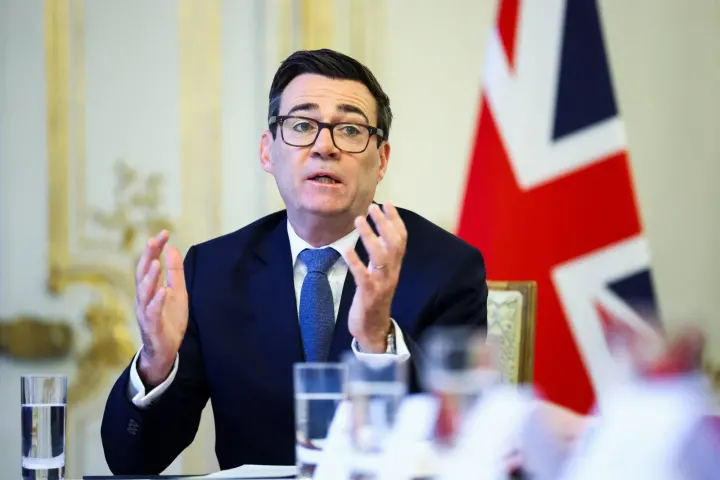
British Prime Minister Andy Burnham has drawn sharp criticism following a series of expensive international trips, including a journey to the latest COP climate summit in Turkey and subsequent diplomatic stops in Dublin and Brussels. The prime-ministerial jet usage for the seven-hour, 4,000-mile round trip to Turkey cost taxpayers at least £100,000. Critics have calculated that the six-minute, 764-word address delivered by the Prime Minister to a near-empty hall cost approximately £131 per word. During the address, the Prime Minister stated, "The message I carry here at my first COP as UK Prime Minister is this: we're committed to meeting our 2050 Net Zero target" alongside other standard policy points. Observers questioned the necessity of the physical presence given the audience size and financial expense involved for public funds.
The timing of the travel also coincided with domestic technological disruptions, raising questions about government priorities. While the Prime Minister addressed climate delegates abroad, internet connectivity issues at home disrupted daily operations, evoking ongoing concerns about national cyber security and critical infrastructure resilience. Such domestic vulnerabilities add to the mounting pressure on the administration to justify the tangible returns on high-profile diplomatic excursions.
Shifting Stances on European Union Relations and Brexit
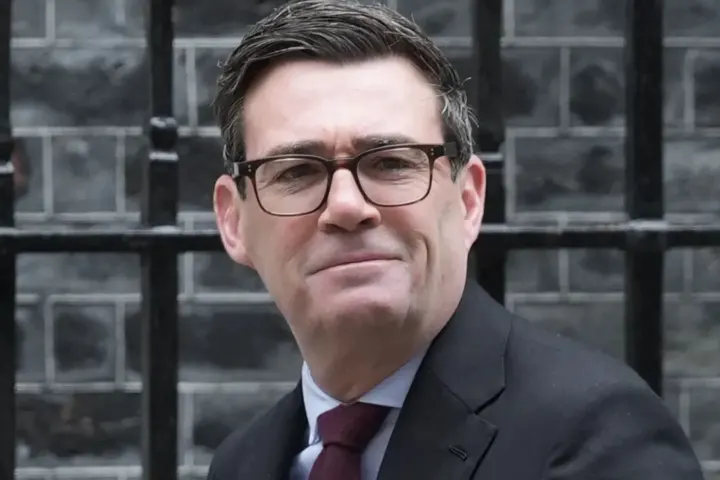
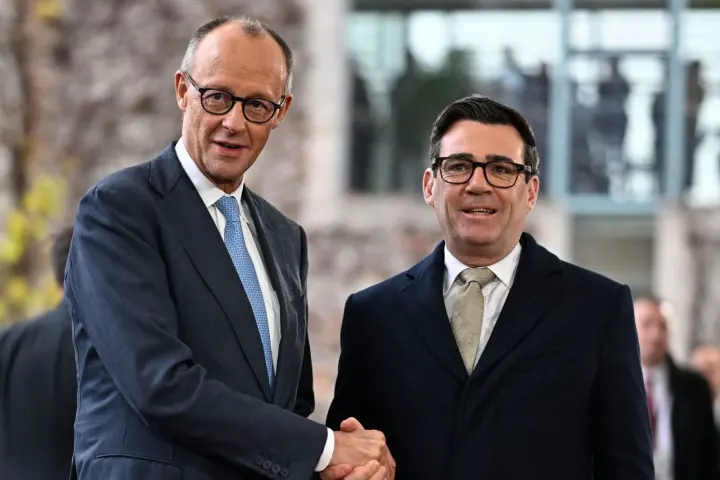
Following the climate summit, the Prime Minister travelled to Dublin and engaged with Brussels officials, prompting accusations of an inconsistent approach to post-Brexit governance. Observers noted that the leadership appeared to oscillate between contemplating closer ties or potential re-alignment with European bodies and acknowledging the original mandate delivered by voters in the 2016 referendum. This perceived lack of a cohesive strategy has fueled uncertainty regarding the long-term trajectory of the nation's relationship with continental partners.
An upcoming joint UK and EU summit was previously touted by the administration as the ideal platform to outline definitive options for future cooperation. However, reports indicate that this anticipated major speech has been quietly shelved. Critics argue that European negotiators are gradually eroding post-Brexit flexibilities while the current administration struggles to maintain a firm negotiating position. Confusion was further compounded when the government insisted it had no plans to align with the EU AI Act, only for ministers to sign off on Northern Ireland adopting those very regulations.
Global Power Shifts and the Shenzhen Summit
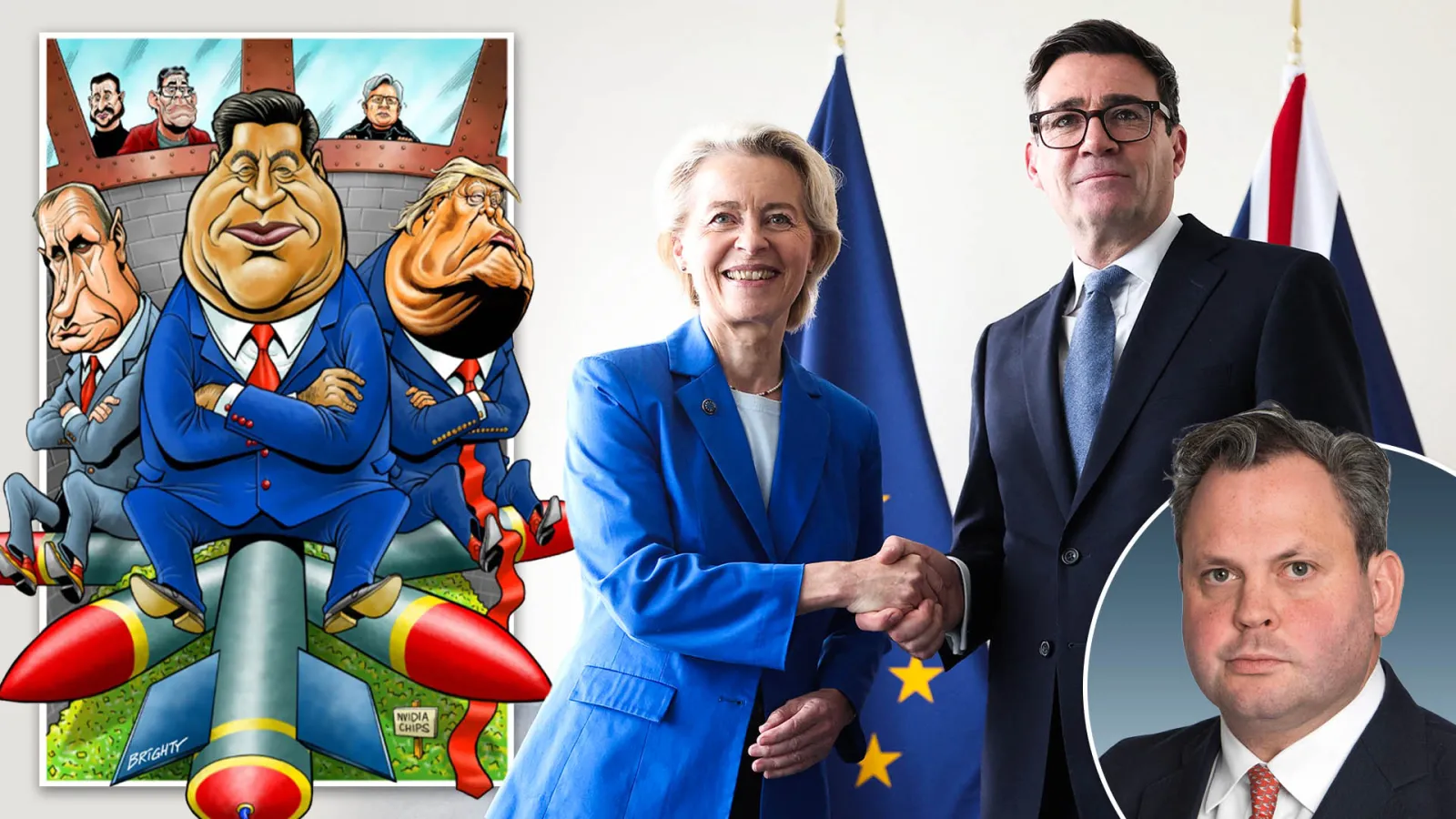
While European diplomacy unfolds, world attention is increasingly focused on the Asia-Pacific Economic Cooperation Leaders' Meeting in Shenzhen, China. This gathering brings together major global powers, including Donald Trump, Vladimir Putin, and President Xi, for high-stakes discussions on the fringes of the official agenda. Analysts have compared the diplomatic maneuvering to historical summits like Yalta, noting the profound implications these closed-door negotiations hold for international stability and regional conflicts.
Unlike the British delegation's focus on European and climate engagements, the talks in China involve the world's leading nuclear powers addressing heavy geopolitical concerns. Particular anxiety surrounds the potential impact on Ukraine, with fears that major powers might negotiate terms involving territorial concessions or regional demilitarization without adequate input from broader European allies. The sheer scale of these deliberations threatens to eclipse traditional diplomatic efforts emanating from London.
Corporate Scandals and Economic Pressures in Washington
The geopolitical backdrop is further complicated by severe economic turbulence in the United States, centered around artificial intelligence giant Nvidia. The firm, valued at $4 trillion, has been shaken by an internal scandal involving allegations of illegally smuggling pioneering microchips to China. The fallout from these revelations threatens to puncture the broader artificial intelligence market bubble, with potential economic shockwaves capable of triggering wider financial downturns.
The timing of the corporate implosion offers strategic advantages to Beijing as technological competition intensifies between the world superpowers. With the US economy deeply intertwined with the fortunes of major technology firms, the leadership in Washington faces mounting pressure to manage domestic fallout while engaging in delicate trilateral negotiations. These overlapping crises underscore the fragile nature of global economic stability during a period of rapid technological change.
Uncertainty Surrounding Future US Political Leadership
On the domestic political front in the United States, potential contenders to succeed Donald Trump are experiencing a period of strategic hesitation. Vice President JD Vance, despite maintaining an active fundraising operation and securing early endorsements, has not yet publicly confirmed his candidacy for the 2028 presidential election. Meanwhile, Secretary of State Marco Rubio continues to deflect questions regarding his political future, maintaining that he is not currently focused on a future presidential run.
Speculation among political insiders suggests that financial considerations may influence future decisions within the administration. Observers note the stark contrast between public sector salaries, such as the $174,000 earned annually during 14 years in the Senate and $250,600 as Secretary of State, and the lucrative private sector opportunities available to high-profile figures. Whether these prominent political actors will enter the 2028 race remains an open question as internal party dynamics continue to evolve.