Understanding the Rise of Cutaneous Squamous Cell Carcinoma
Medical experts have issued warnings regarding the steady increase of a subtle skin cancer over the past several decades. Recent research published in the British Journal of Dermatology reveals that cutaneous squamous cell carcinoma has been climbing consistently, with a notable surge recorded among female populations. While basal cell carcinoma remains the most frequent form of skin malignancy, cutaneous squamous cell carcinoma stands as the second most common variant in the United Kingdom.
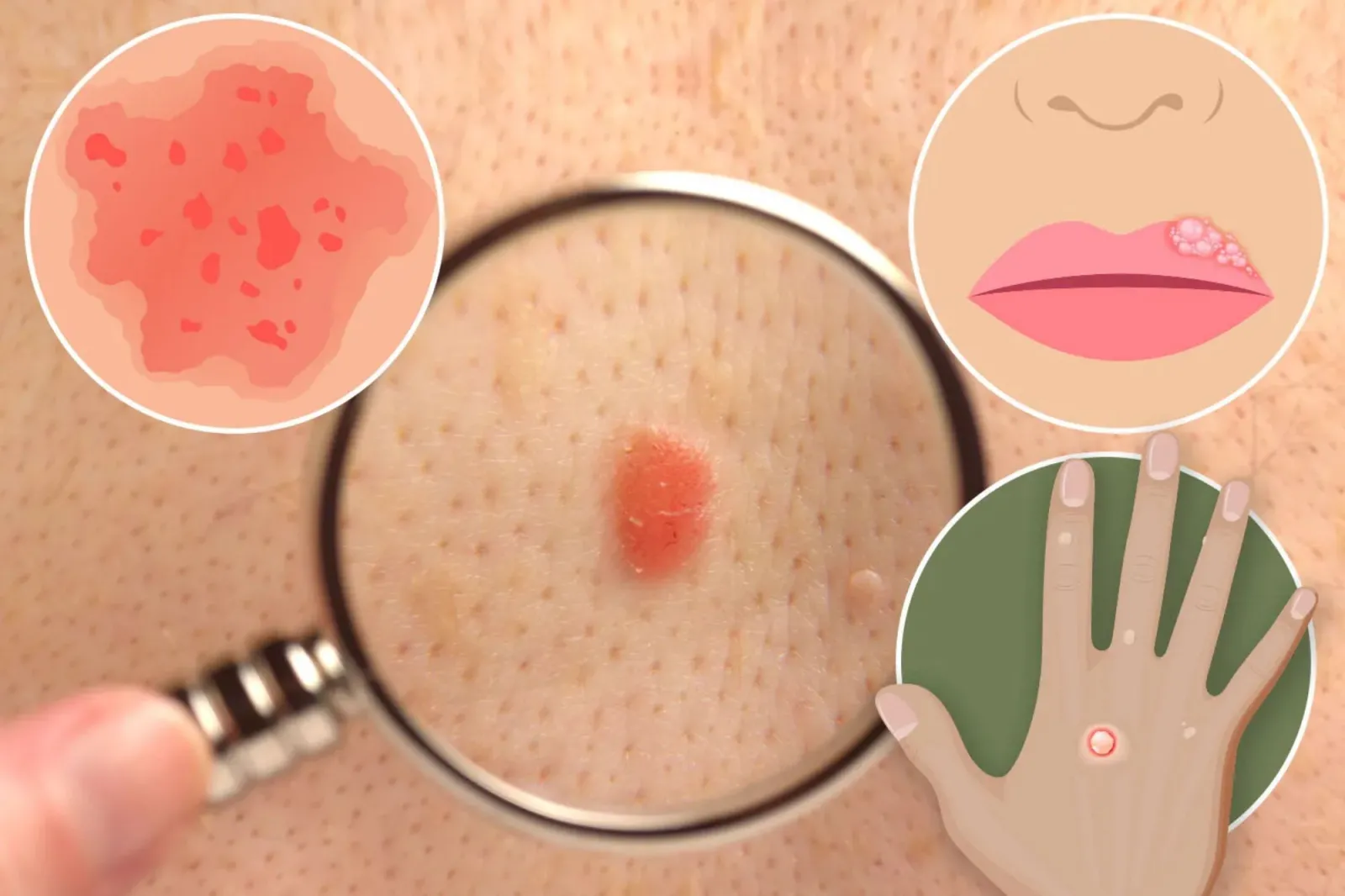
Most individuals are familiar with checking for new or altering moles, which typically serve as indicators of melanoma, widely recognized as the most dangerous form of skin cancer. However, cutaneous squamous cell carcinoma originates from the squamous cells located at the outer surface of the skin and often presents in a much less conspicuous manner. Instead of a distinct mole, it frequently manifests as a rough, scaly, or crusty patch that might easily be overlooked or mistaken for a harmless skin blemish.
Global Research Findings Across Australia and Europe
To understand the trajectory of this disease, investigators from the QIMR Berghofer Medical Research Institute in Australia evaluated more than thirty years of data collected from cancer registries across Australia and several European nations. The analyzed regions included Norway, Sweden, Finland, Denmark, Scotland, and the Netherlands. The investigation demonstrated that cutaneous SCC, which confines itself to the skin rather than migrating to internal organs, grew progressively more prevalent over the three-decade observation window.
Crucially, the upward trajectory proved significantly steeper among women than among men. Researchers noted that the increase was substantially greater in women than in men in five of seven populations, most pronounced in Tasmania, Norway, Denmark, Sweden, and the Netherlands. By contrast, melanoma cohort effects displayed broad similarities between sexes, with male effects occasionally appearing larger in several monitored populations. Lead researcher Catherine Olsen expressed surprise at the discovery, noting that SCC incidence was climbing faster in women across generations compared to men, establishing a pattern distinct from melanoma trends.
Recognizing the Symptoms of Squamous Cell Carcinoma
Because cutaneous squamous cell carcinoma lacks the dramatic appearance associated with advanced melanoma, recognizing its physical symptoms is vital for early detection. According to data from the Cleveland Clinic, the clinical signs of this condition include specific localized skin changes. Patients often notice a rough-feeling bump or growth that might crust over like a scab and bleed periodically. Another presentation involves a growth that sits higher than the surrounding skin while sinking down in the middle.
Additional warning signs include an open wound or sore that refuses to heal, or a sore that temporarily heals before returning to the same spot. Doctors also look for flat, scaly, and red areas of skin that measure larger, typically around one inch in diameter. Furthermore, medical guidance from dermatologists indicates that these lesions can occasionally resemble common warts or display raised edges with an itchy or bleeding center.
The Diagnostic Challenge and Rising UK Case Numbers
Skin specialists face distinct challenges when tracking cutaneous squamous cell carcinoma because it occurs far more frequently than melanoma yet receives considerably less research funding and public awareness. Furthermore, many jurisdictions fail to record every diagnosis in official cancer registries, making it difficult to ascertain the exact number of individuals affected globally. The signs are also much less recognizable to the general public, delaying timely medical consultation.
Statistical records from the British Association of Dermatologists illustrate the growing scale of the issue in the United Kingdom. Approximately 48,000 cases of SCC receive a formal diagnosis in the UK every single year. This figure represents a substantial increase from the 35,000 annual cases recorded in 2013, highlighting an expanding healthcare burden that requires closer monitoring and specialized dermatological resources.
Where These Cancers Develop and Contributing Environmental Factors
Squamous cell carcinomas can form anywhere on the human body, but they show a strong preference for anatomical regions that receive regular sun exposure. Common sites include the head, ears, lips, neck, and the backs of the hands. Additionally, these malignancies can originate within pre-existing scars or patches of skin that have suffered prior physical injuries.
Australian researchers suggest that the disproportionate increase among women of more recent generations stems from greater lifetime ultraviolet radiation exposure compared to historical cohorts. The findings underscore how this specific cancer links directly to cumulative exposure to ultraviolet rays present in sunlight. Dr. Olsen explained that shifts across successive generations regarding recreational and occupational sun exposure have driven an increased disease burden among women.
Preventative Measures and Future Medical Monitoring
Concluding the study, senior author Professor David Whiteman emphasized that the data serves as an urgent call for heightened vigilance regarding squamous cell carcinoma prevention and clinical surveillance. He described the findings as a warning flag indicating a persistent problem that demands active intervention. While advanced cases can prove highly aggressive if they spread beyond the skin and lead to severe illness or death, most SCCs can be removed successfully through prompt surgical intervention.
Because early diagnosis remains critical for preventing aggressive progression, public health authorities continue to stress the importance of monitoring unusual skin modifications. Experts maintain that while the rising numbers present a formidable challenge, squamous cell cancers remain largely preventable through diligent sun protection and proactive medical evaluation of persistent skin abnormalities.