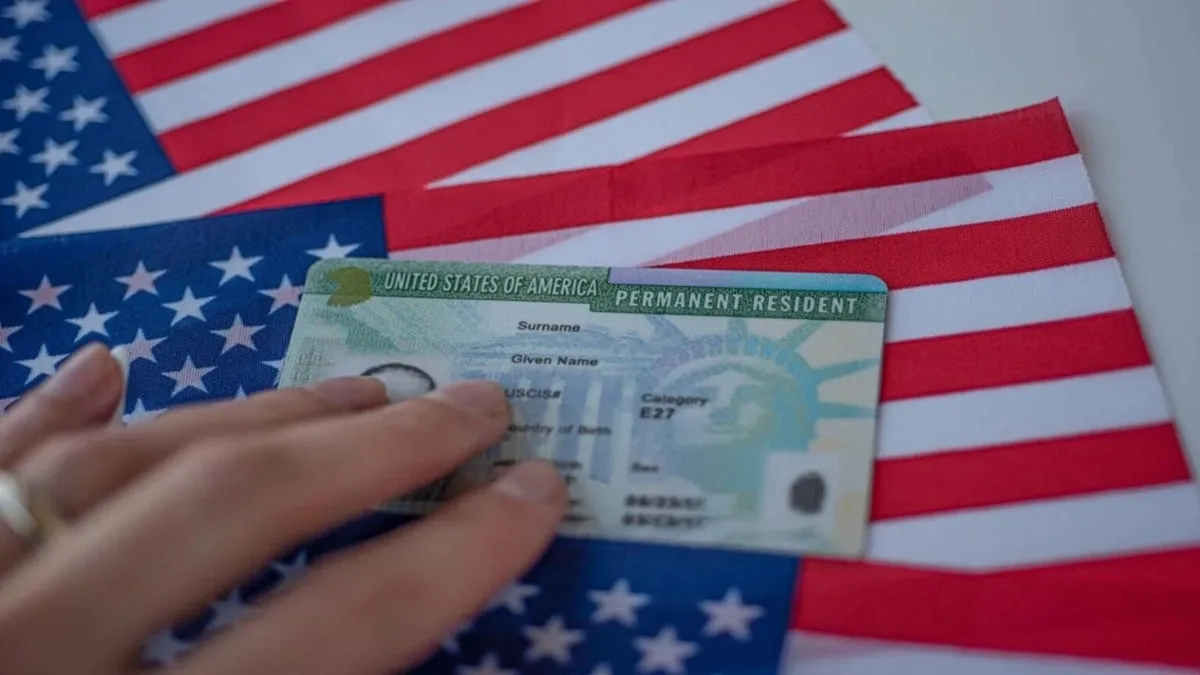
US Department of Labor Proposes Stricter PERM Green Card Rules
The US Department of Labor has proposed new restrictions on a green card program that allows skilled foreign workers to obtain permanent residency, marking the Trump administration's latest move to limit legal immigration. According to Reuters, the proposed changes to the Permanent Labor Certification Program would introduce stricter requirements for US employers seeking to sponsor foreign workers for employment-based green cards. The program is widely used by major American technology companies and IT outsourcing firms to help foreign employees transition from temporary work visas to permanent US residency.
The latest proposal, announced on Monday, November 16, was scheduled for publication in the Federal Register on Tuesday, November 17. The proposed changes will be subject to a 60-day public comment period before they can take effect. This regulatory step represents a significant shift in how the federal government evaluates labor market needs and employer sponsorship requests.
How the Permanent Labor Certification Program Works
Under existing rules, employers must demonstrate that there are not enough qualified and available US workers to fill a particular position before hiring a foreign national. They must also prove that employing a foreign worker would not negatively affect the wages and working conditions of Americans in similar roles. The proposed overhaul would make these requirements stricter, requiring employers to provide stronger evidence that hiring foreign workers would not harm US employees.
Technology corporations and consulting firms rely heavily on this pathway to retain talent hired through temporary programs. The certification acts as the foundational first step in securing permanent residency for individuals already contributing to domestic enterprises. Without this certification, companies cannot file the subsequent immigration petitions required by federal authorities.
Impact on Exempt Occupations and Past Labor Shortages
The new rules would also cover occupations previously exempt from these requirements because of labor shortages, including professional nurses and scientists with exceptional abilities. By removing these exemptions, the Department of Labor intends to subject healthcare and scientific recruitment to the same rigorous testing of the domestic job market.
Hospitals, research institutions, and academic centers that historically recruited specialized personnel without facing extensive labor market tests will now need to navigate the updated regulatory framework. This change affects specialized fields where domestic labor shortages have persisted for decades, altering how institutions staff critical positions.
New Restrictions on Layoffs and Recruitment Methods
Another major change would prevent US employers from seeking PERM certification for foreign workers within two years of laying off American employees in similar positions. The proposal would also require employers to expand their recruitment efforts and adopt modern hiring methods to reach a wider pool of qualified American workers. This includes using electronic job advertisements instead of traditional newspaper advertisements.
The administration states these changes are intended to strengthen protections for American workers and ensure they receive priority for high-skilled and high-paying job opportunities. Employers must adapt their human resources practices to align with the expanded search criteria and the strict two-year layoff prohibition window.
Broader Context of Immigration Policies
The proposed restrictions are part of President Donald Trump's broader immigration policies aimed at reducing the number of foreign-born people in the United States and limiting pathways to permanent residency and citizenship. In October, the US government blocked several major technology companies and IT outsourcing firms from using the PERM program, including Adobe and Microsoft. According to Department of Labor data, Microsoft is the largest filer of permanent labor certification applications under the program.
Observers note that these regulatory updates reflect a consistent administrative effort to reshape employment-based immigration channels. Companies affected by the recent blocks and the new proposals face increased operational hurdles in maintaining their international workforce pipelines.