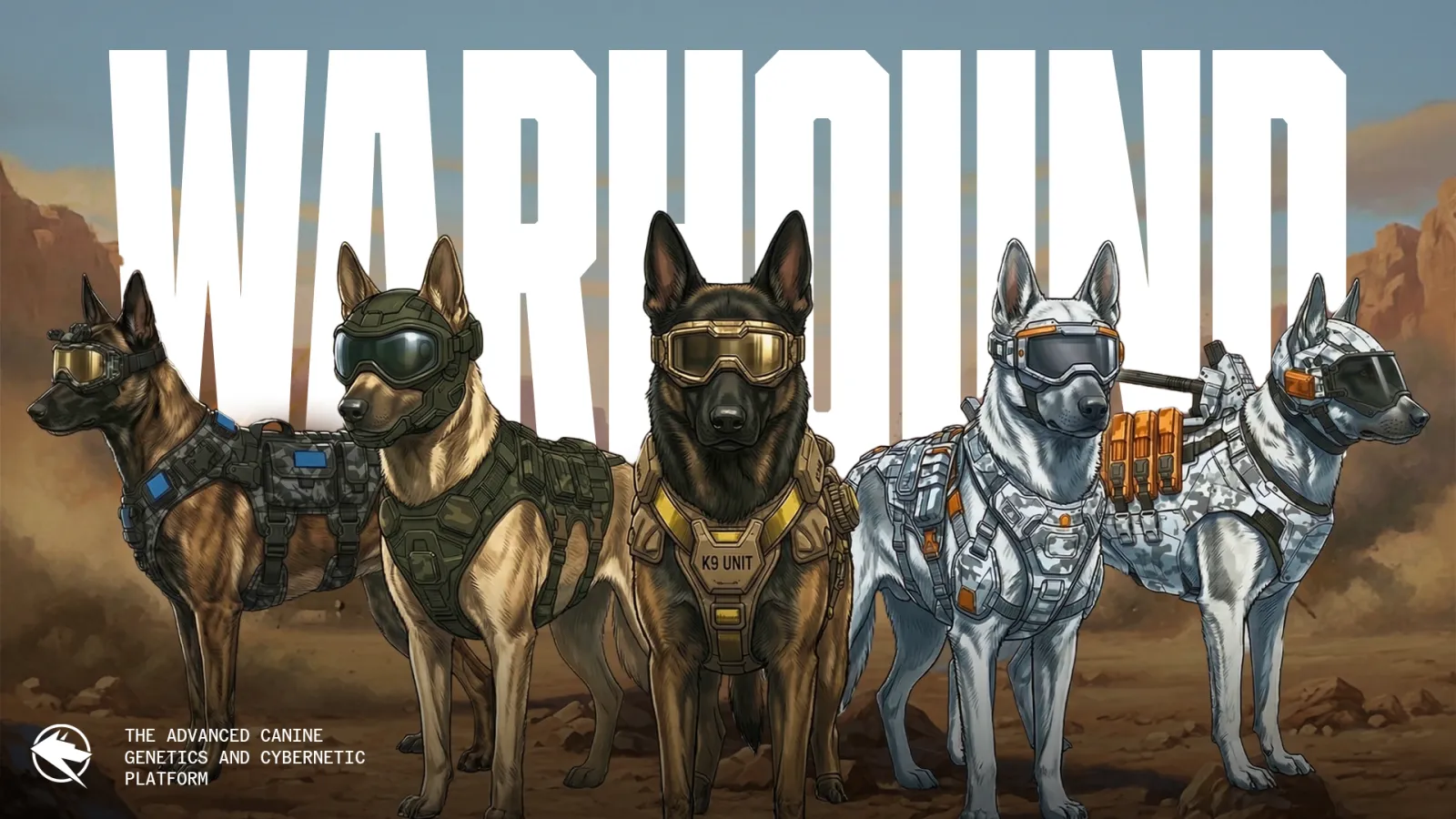
Ben Lamm of Colossal Biosciences and Anduril co-founder Palmer Luckey announced Thursday that their joint venture Warhound has raised $200 million from investors such as In-Q-Tel, Sequoia and 8VC, valuing the startup at $1.2 billion.
The company plans to produce dogs that can handle hazardous tasks like bomb detection and specialized searches, noting that over 80% of U.S. military working dogs are sourced from Europe and fewer than half meet service standards.
Warhound aims to reduce reliance on foreign-bred dogs by using genetic engineering to give dogs traits suited for demanding missions, according to a press release.
Lamm told TechCrunch he met Luckey about a year ago at a conference where the Anduril founder suggested doing more for U.S. military working dogs. Their discussions led Lamm to investigate breeding challenges, discovering many dogs fail training due to genetic issues such as poor eyesight, cancer risk, hip dysplasia or muscle atrophy.
He said the goal is to enhance health, lifespan and abilities like speed, agility or olfactory capacity for bomb sniffing. His team collected cell lines from top breeds, Belgian Malinois and German Shepherd, stored them in a biobank, then plans to edit genes to add performance-boosting traits and remove detrimental ones, creating "a new type of dog."
Anduril will supply software and hardware upgrades, including protective vests and eye goggles that provide situational awareness and coordination data to handlers.
"The idea is, if we make the dog safer, make it healthier, make it perform better, it's going to perform better in the line of duty," Lamm said. He added Anduril's contributions are "on top of the dog, not in the dog," intended to protect both the animal and its human handlers.
Luckey holds no equity and serves only as a partner, Lamm clarified, while Colossal retains equity and supports the venture with licensed technology.
Colossal is known for de-extinction projects involving the dodo and mammoth and has been applying AI and gene-cloning tools to animal genetics.
The first batch of dogs is slated for cloning and incubation, with births expected early next year and potential service entry within two years, Lamm said. Viagen, another Colossal subsidiary, will assist with cloning, leveraging its high-success-rate technology used in endangered-species programs.
Pricing has not been set, but Warhound intends to sell to first responders, the Department of Defense, military service groups and police forces. Lamm noted the company has briefed multiple government agencies about its plans.
Regarding civilian safety, Lamm said the dogs will undergo the same training as traditional military working dogs and will be managed by the purchasing entity.
The startup is working with the American Humane Society to certify its training program and hopes retired dogs will join the Society's Military Working Dog Reunification Program or similar initiatives.