When Is Stroke Risk Highest During the Day?
More than 100,000 people suffer strokes every year in the UK, but medical research reveals that these medical emergencies are more likely to occur at a certain time of day. Experts state that the risk of a stroke, which happens when the blood supply to the brain is cut off due to a clot or a bleed, is heightened during a three-hour window in the early morning.
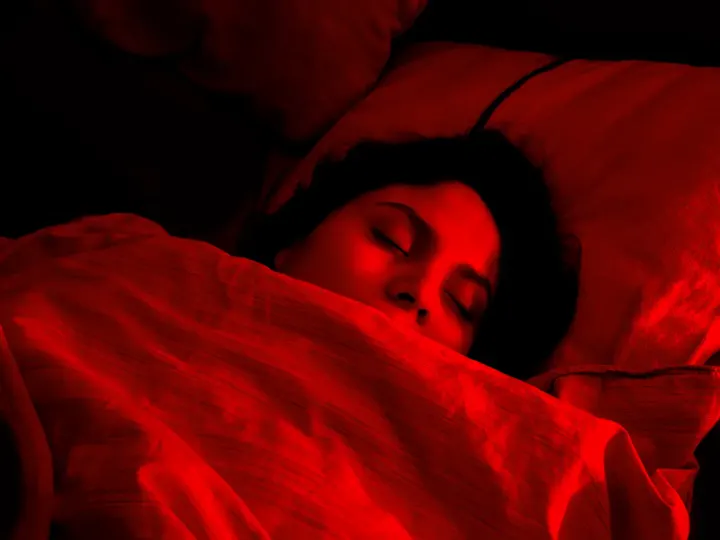
Dr Trisha Pasricha, an assistant professor at Harvard Medical School, explained that this phenomenon occurs due to biological changes in the blood and cardiovascular system. In many ways, mornings create a perfect biological storm, she noted in published commentary. In the early hours, melatonin begins to fall and cortisol climbs, peaking shortly after a person awakens.
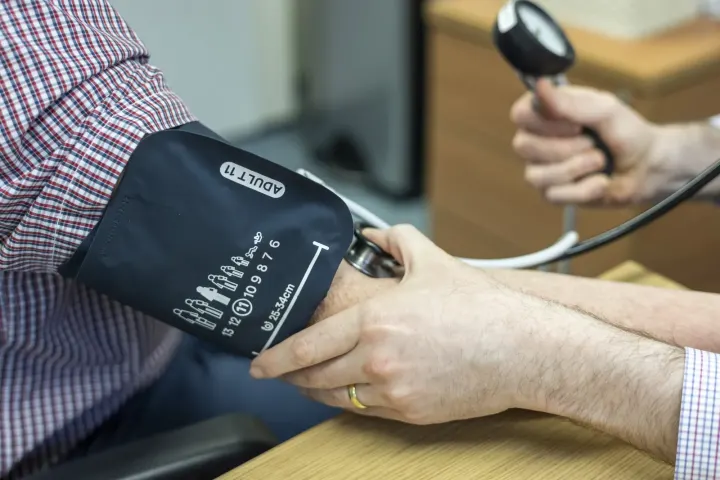
While an individual sleeps, blood pressure tends to dip by around 10 to 20 per cent of the daytime baseline, then starts to rise just before waking up. Once a person gets up and starts moving around, blood pressure surges, and that elevation in blood pressure raises the risk of heart attacks and strokes.
What the Science Says About Morning Strokes
Dr Pasricha pointed to a study from Wayne State University, which found that up to half of severe strokes happen in the morning hours. Another analysis involving nearly 12,000 stroke patients from Rush University discovered that people are 72 percent more likely to suffer the medical emergency between 6 and 9am.
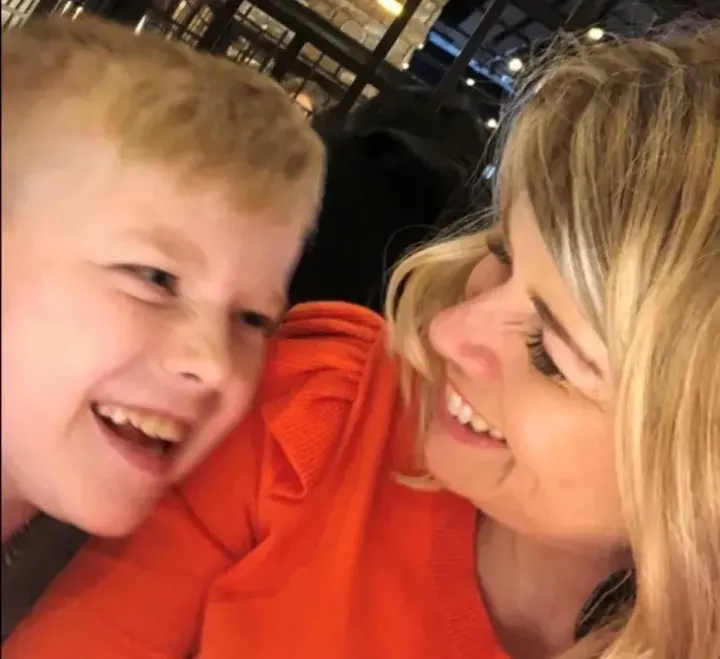
This timing affected Ruth Jones, a 40-year-old mother of two from the UK, who noticed something amiss with her face when she yawned one morning in September 2021. The teacher, who had felt unwell the night before, realised she was having a stroke when she looked in the mirror and saw one side of her face was drooping.
Aside from rising blood pressure, the consistency of human blood changes in the morning as well. Blood becomes stickier in the morning, which raises the chance of clots forming and potentially triggering a stroke.
In 2011, researchers from Boston found that the circadian rhythm drives platelets, which are small cell fragments that form blood clots, to become more likely to clump together in the early morning. A subsequent study found that a blood protein that prevents clots from dissolving also peaks during the morning hours.
Understanding the Three Types of Strokes
A stroke is a medical emergency, which makes knowing the signs and symptoms vital for survival and recovery. It occurs when the blood supply to the brain is cut off, killing off brain cells. The damage caused can affect how the body works, and the effects depend entirely on where in the brain the stroke strikes.
There are three different types of stroke recognised by medical professionals:
- Ischaemic stroke, where a blockage, like a blood clot, cuts off the blood supply to the brain.
- Haemorrhagic stroke, which is caused by a bleed in or around the brain.
- Transient ischaemic attack, also known as a mini stroke, which is a big warning sign of a full-blown stroke and is similar to a stroke but with shorter-lived symptoms.
Every stroke is different, but they can affect a patient's ability to speak, move, think, and feel. They can also cause behavioural changes and emotional challenges. Because they can happen to anyone regardless of age, educating yourself on the warning signs is essential.
How to Spot Stroke Symptoms Using the FAST Test
The faster a patient gets medical help and treatment, the more likely it is that the damage caused can be reversed and stopped in its tracks. There is a handy acronym that helps identify the symptoms of a stroke quickly. If people spot these signs in themselves or a loved one, they should dial 999 immediately and tell the call handler they suspect a stroke.
The ACT Fast test covers these signs:
- Face weakness, checking if the person can smile and if their mouth or eye has drooped.
- Arm weakness, checking if the person can raise both arms.
- Speech problems, checking if the person can speak clearly and understand what is being said.
- Time to call 999, meaning if any of these signs are visible, emergency help is needed immediately.
This test helps spot three key signs, but there are other symptoms to be aware of as well. These include sudden weakness or numbness on one side of the body, difficulty speaking, sudden blurred vision or loss of sight, sudden confusion or memory loss, dizziness or a sudden fall, and a sudden, severe headache.
The bottom line is to take these symptoms seriously. It may be something more minor, but being alert and acting fast can save a life and prevent long-term, devastating side effects.
Why Strokes Are Increasing Among Young People
While experts highlight the morning timing, they also warn of a surge in young people experiencing strokes. Most people who have a stroke are over the age of 70, but there has been a concerning increase in younger adults suffering them in recent years.
A study from the University of Cincinnati found that stroke rates in adults aged 20 to 54 nearly doubled from 1993 to 2020. Similar figures have been observed in the UK through the Oxford Vascular Study, which looked at data from more than 94,000 people in Oxfordshire. That study found a 67 per cent increase in strokes among adults younger than 55 between the 2002-2010 and 2010-2018 periods, contrasted with a 15 per cent decrease among older adults.
The Stroke Association notes that traditional risk factors like high blood pressure, diabetes, obesity, and smoking may contribute to this trend, but might only be part of the picture in younger people. Researchers have also examined whether chronic stress, a lack of physical activity, and long working hours could be contributing factors.
Atypical Stroke Symptoms in Younger Adults
Many people know to recognise typical stroke symptoms, such as slurred speech, sudden facial drooping, and weakness or numbness on one side of the body. However, studies show that as many as one in seven stroke patients do not experience these tell-tale signs. Instead, many experience sudden balance struggles or loss of vision.
David Olawade, a lecturer at the University of East London, explained that these atypical symptoms may be more common in young stroke patients. Writing in The Conversation, he stated that strokes at the back of the brain, which affect balance and vision rather than the face and arms, are more common in young adults.
In these cases, symptoms can manifest as problems with balance or eyesight, a headache, neck pain, or vertigo. Not only can these symptoms be missed by healthcare workers, but young people themselves may explain them away as a migraine, tiredness, a hangover, or an inner ear problem. Symptoms can also stop after a short time, but medical help is still required immediately.
Dr Pasricha stressed that recognising these symptoms as a medical emergency and not brushing them off as having slept funny is crucial. People should keep risk factors under control and attend NHS Health Checks for over 40s to help spot and treat problems early, according to the Stroke Association.