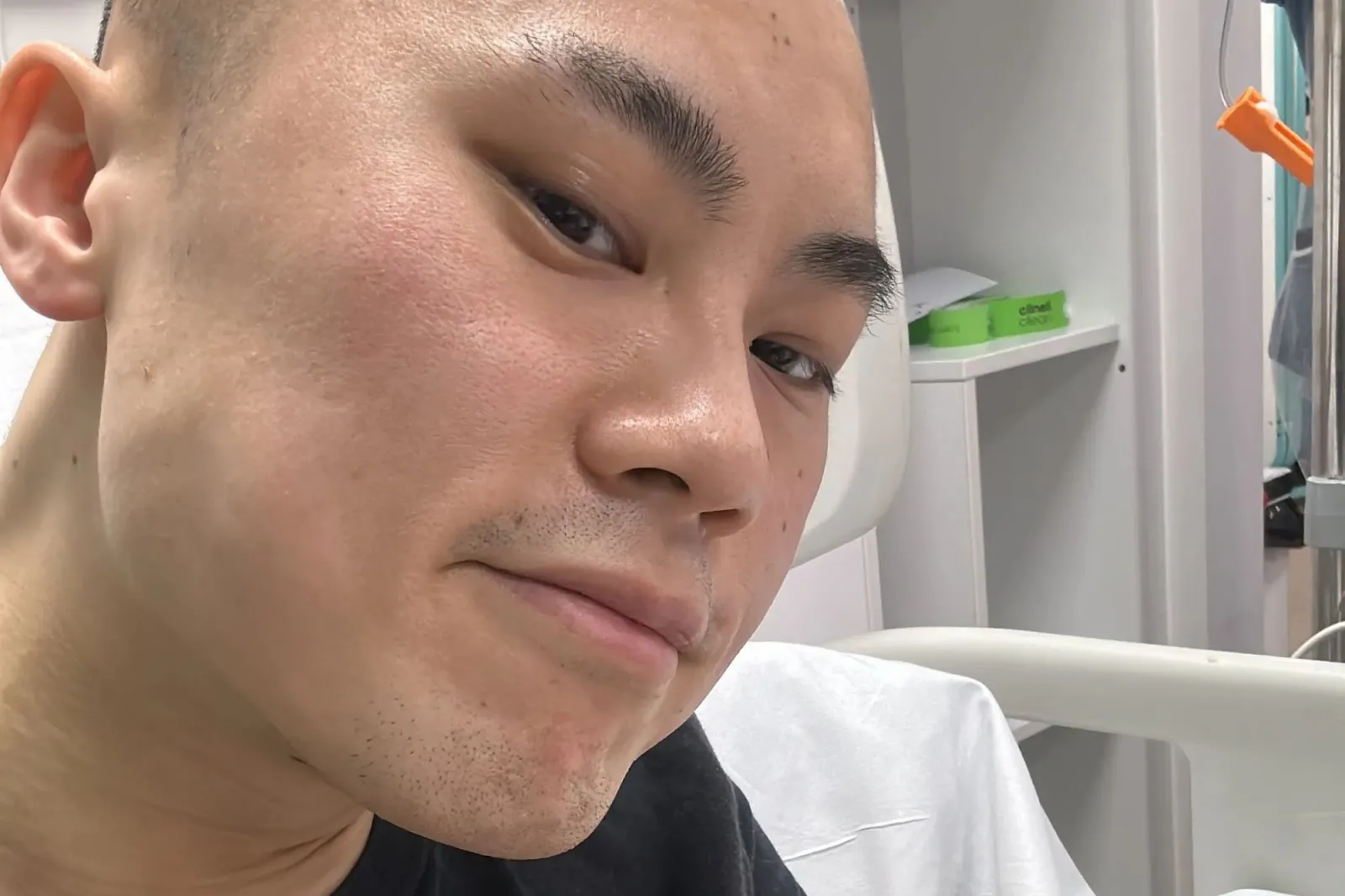
How a Young Man Ignored Early Warning Signs of Blood Cancer
At 25 years old, Marco Choi was making the most of his youth by messing about, having fun, and going out drinking three to five times a week. When he first noticed his stool was darker, which serves as a clinical sign that there is blood present in the digestive tract, he assumed this was simply a side effect of his iron supplements, known to darken waste products. Marco, who lived in Chelmsford in Essex, also began experiencing frequent headaches, muscle aches, and cold sweats starting in November 2023. However, he put these concerning symptoms down to his rigorous physical training regimen at the local gym.
The situation escalated dramatically when he was rushed to hospital after collapsing while working at a takeaway shop in December that year. In January 2024, medical professionals diagnosed Marco with diffuse large B-cell lymphoma, which is an aggressive type of blood cancer that affects white blood cells. This form of non-Hodgkin lymphoma typically affects around 5,000 people a year in the UK and is most commonly diagnosed in older individuals, specifically those in their 60s to 70s.
Understanding Diffuse Large B-Cell Lymphoma and Its Hidden Symptoms
Diffuse large B-cell lymphoma is a fast-growing cancer that starts in white blood cells called lymphocytes, which form part of the immune system. Symptoms can start or get worse in just a few weeks, often catching patients and doctors by surprise. The most common symptom is one or more painless swellings in the neck, armpit, and groin, which represent enlarged lymph nodes capable of growing very quickly. Patients may also experience other general symptoms such as heavy sweating at night, high temperatures that come and go with no obvious cause, and losing a lot of weight, defined as more than one tenth of their total body weight. Some individuals may also suffer from unexplained itching, according to data from Cancer Research UK.
In Marco's case, his initial presentation involved internal bleeding that required 11 blood transfusions after he collapsed at work on December 13, 2023. By the time he was discharged from Broomfield Hospital in Chelmsford on December 23, doctors had discovered a mass in his chest, leading to subsequent CT and PET scans. On January 25, 2024, he received his official diagnosis, describing the moment as feeling surreal, much like being trapped in a dream.
The Rigorous Treatment Journey and Initial All-Clear
Marco started very intense chemotherapy in February 2024, which brought severe side effects including gut issues, hair loss, difficulty sleeping, nausea, and extreme breathlessness and wheezing that led to a hospital stay. Despite these physical challenges, he persevered through six cycles of chemotherapy. On the day he received the all-clear on July 29, 2024, he felt super happy and celebrated by going to Nobu, a Japanese restaurant in London, accompanied by his brother.
He expressed gratitude for the unwavering support he received throughout his cancer treatment from his mother Helen, who was 61 at the time, as well as his older brother, sister, friends, and the medical staff. Yet this relief proved short-lived when a new medical crisis emerged just weeks later.
Secondary Central Nervous System Lymphoma and the Brain Tumour Diagnosis
On August 28, 2024, just as Marco was trying to return to his normal routine, he suffered a seizure while working out at the gym with a friend. Waking up in the back of an ambulance with a massive headache, he underwent an MRI three days later that confirmed doctors had found a tumour in his brain. His care was subsequently transferred to University College London Hospitals for specialized intervention.
He was diagnosed with secondary central nervous system lymphoma, which Heidi Smith, a nurse at Blood Cancer UK, described as a particularly aggressive and difficult-to-treat form of blood cancer where fewer than half of people survive. Marco started chemotherapy again in September, followed by an autologous stem cell harvest, a stem cell transplant where his own stem cells were collected, stored, and given back to him, and 20 sessions of radiotherapy.
Facing a Grim Prognosis and Achieving Ultimate Remission
Following another seizure, Marco underwent a brain biopsy on December 23, 2024. During this period, a consultant remarked that he might not see 2025 because of his deteriorating condition. He was told he may not live past the New Year, casting a dark shadow over the holiday season for him and his family.
However, Marco, who is now 28, managed to finish his gruelling treatment protocol and was told he was in remission in the summer of 2025. Reflecting on his recovery, he stated that he felt amazing when he received the news. He noted that while the first time he beat the disease felt like the end of the ordeal, this second victory brought laughter and a firm belief that two times is more than enough and a third battle is unnecessary.
Raising Awareness and Supporting Blood Cancer Research
Following his recovery, Marco stepped forward to become an ambassador for Blood Cancer UK, sharing his story to demonstrate that blood cancer can affect anyone regardless of age or background. He noted that because he was young, active, and Asian, he initially expected blood cancer to strike older white men, recalling how doctors even joked that they must have misread his file to see age 26 instead of 62.
Marco is actively supporting the Trial Treat Beat appeal, through which Blood Cancer UK aims to raise £25 million to accelerate research and clinical trials, double survival chances for the deadliest blood cancers, and give more patients a fighting chance. Nurse Heidi Smith emphasized that Marco's experience highlights the urgent need for better treatment options when blood cancer returns and spreads to vital areas like the brain.