Rawalpindi Establishes First Drive-Through Vehicle Emission Testing Station
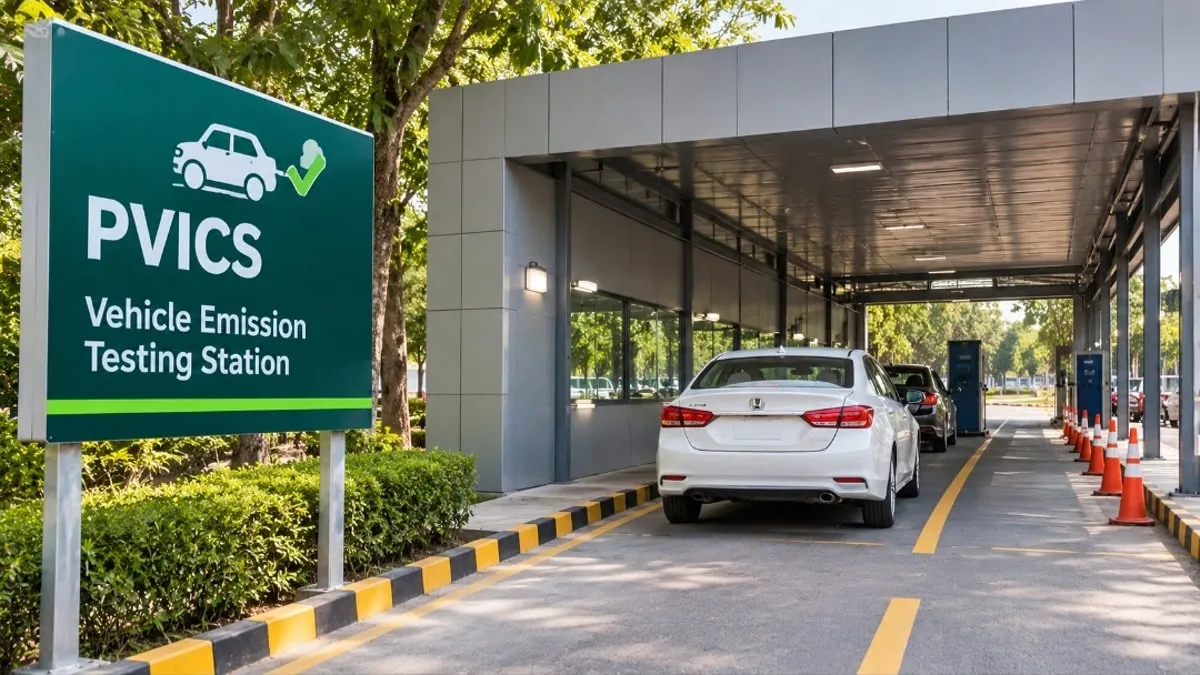
Rawalpindi has established its first drive-through vehicle emission testing station on GT Road near Ayub Park, providing private vehicle owners with a new facility to check their vehicles' smoke emissions and obtain fitness certification. The station will begin operations on Monday, November 2, 2026, under the Punjab Vehicle Inspection and Certification System (PVICS). Motorists can drive their vehicles through the facility for smoke emission testing without leaving their vehicles. This development marks a notable shift in how local authorities handle environmental oversight, bringing automated checks directly to everyday drivers in the garrison city.
The new station forms part of Punjab's efforts to control air pollution by identifying vehicles that produce excessive smoke and ensuring that motorists meet prescribed environmental standards. The Punjab government has expanded its vehicle inspection and certification system to cover private vehicles as part of its campaign against vehicular pollution and smog. The system requires eligible vehicles to undergo emission testing and obtain fitness certificates. Rawalpindi motorists can visit the new drive-through station on GT Road near Ayub Park to get their private vehicles tested.
Understanding the Punjab Vehicle Inspection and Certification System
The Punjab Vehicle Inspection and Certification System, widely known as PVICS, serves as the primary administrative framework for evaluating automotive roadworthiness and environmental compliance across the province. Historically, vehicle inspection protocols focused heavily on commercial transport, including buses, freight trucks, and public service vehicles, leaving private cars largely outside the mandatory testing umbrella. By extending these requirements to private automobiles, regional authorities aim to tackle the root causes of urban smog that regularly blanket parts of Punjab during specific weather cycles.
Automotive emissions remain a major contributor to poor air quality in densely populated urban centers throughout Pakistan. Exhaust pipes release particulate matter, unburned hydrocarbons, nitrogen oxides, and carbon monoxide into the lower atmosphere, where trapped weather patterns can concentrate pollutants near ground level. The PVICS framework uses specialized diagnostic equipment to measure these exhaust outputs accurately, comparing real-world vehicle performance against legally mandated environmental thresholds established by environmental protection agencies.
How the New Drive-Through Testing Process Works
The newly established facility on GT Road uses a streamlined drive-through configuration designed to minimize wait times and eliminate the need for drivers to exit their automobiles during the examination. When motorists arrive at the Ayub Park station, trained technicians interface diagnostic gear directly with the vehicle or position specialized sensors near the tailpipe while the engine runs through standardized idle and acceleration cycles. This automated approach reduces human error, speeds up throughput, and provides a clear, objective measurement of smoke density and pollutant levels.
Once the testing sequence concludes, vehicle owners receive immediate feedback detailing whether their automobile meets the required environmental standards. If the vehicle passes, operators issue the official fitness certification required under the expanded provincial regulations. Vehicles failing to meet the threshold must undergo necessary mechanical repairs or tune-ups before returning to the station for re-evaluation, ensuring that only compliant automobiles operate on public roads.
Broader Environmental Strategy Against Smog in Punjab
Air pollution and seasonal smog present severe public health challenges across Punjab, prompting provincial authorities to implement multi-sectoral mitigation strategies. Vehicular emissions represent one of the largest controllable sources of urban air contamination, alongside industrial output and agricultural residue burning. By establishing accessible testing infrastructure like the new GT Road station, the government provides citizens with the practical means to verify their environmental footprint and comply with clean air mandates.
Public awareness campaigns accompany these regulatory expansions, educating vehicle owners on the importance of regular engine maintenance, fuel efficiency, and timely oil changes. Poorly tuned engines consume more fuel while discharging higher volumes of toxic smoke, meaning proper emission compliance also benefits motorists through improved fuel economy and extended engine lifespans. The integration of private vehicles into the PVICS network closes a significant regulatory gap in the ongoing campaign for healthier urban air.
Practical Guidance for Rawalpindi Motorists
Private vehicle owners in Rawalpindi planning to use the new station should familiarize themselves with the operating schedule and location details. The facility opens on Monday, November 2, 2026, situated conveniently on GT Road near Ayub Park, making it accessible for commuters traveling between Rawalpindi and neighboring areas. Motorists should ensure their vehicles are in proper operating order before arrival to streamline the testing procedure and avoid potential re-testing requirements.
Preparing a vehicle for an emission test typically involves checking the air filter, ensuring the exhaust system is free of leaks, and confirming that the engine is fully warmed up prior to reaching the testing bay. Compliance with these testing protocols helps protect local air quality while keeping individual drivers aligned with provincial legal standards. As the station begins operations, local transport authorities will monitor throughput and feedback to ensure smooth service delivery for all citizens.