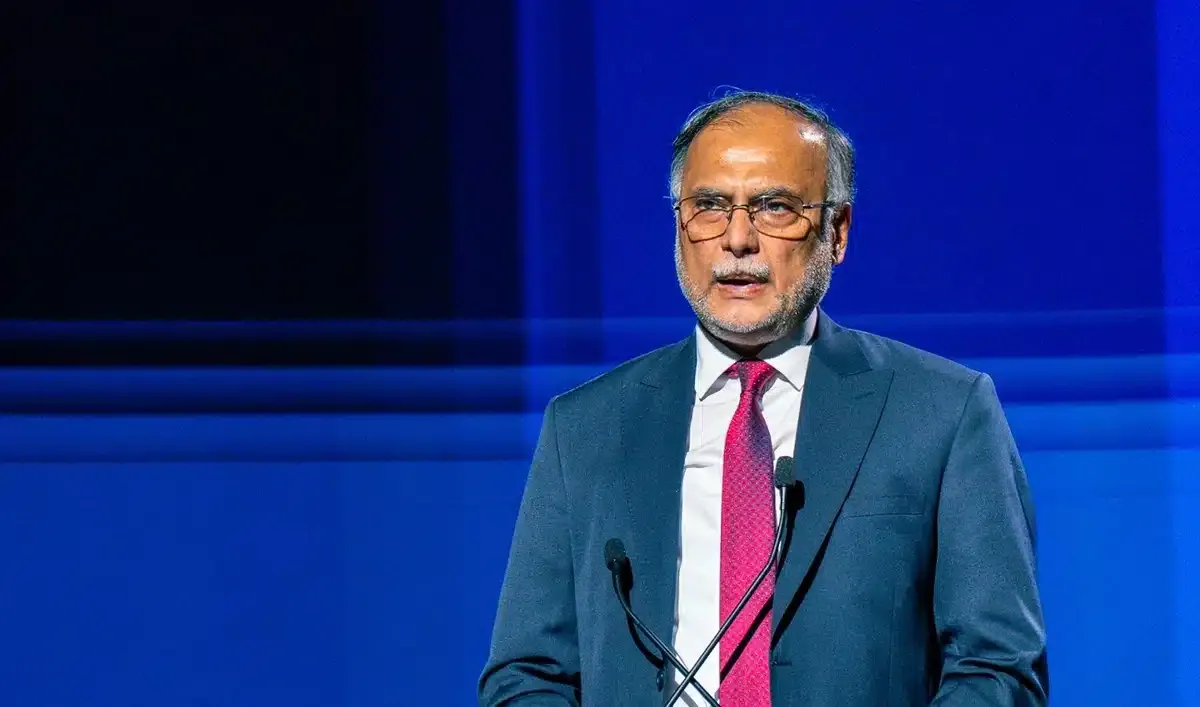
Federal Planning Minister Addresses Senior Management Course in Islamabad
Federal Planning Minister Ahsan Iqbal has urged civil servants to uphold honesty, accountability and public service, calling on them to follow the governance principles of the Khulafa-e-Rashideen. The appeal was made during a formal address to government officers, highlighting the fundamental duties expected of the bureaucratic machinery in the country.
Addressing the closing ceremony of the 40th Senior Management Course at the National Institute of Public Administration (NIPA) in Islamabad on Friday, he said public administration should focus on serving citizens rather than routine official responsibilities. The event marked the culmination of an intensive training period designed to prepare mid-career officials for higher administrative roles within government departments.
Why Integrity and Accountability Matter for Civil Servants
Iqbal asked the newly trained officers to make integrity and accountability central to their professional conduct and ensure that government institutions work in the public interest. Bureaucratic integrity forms the backbone of public trust, ensuring that state resources are managed efficiently and transparently without personal or political interference.
Public administration experts have long noted that administrative efficiency relies heavily on the ethical standards upheld by civil servants. By tying modern administrative goals to historical precedents of justice and public welfare, the minister emphasized that personal honesty is not merely a moral choice but an operational necessity for effective governance.
The Role of Bureaucracy in National Development
He said civil servants had an important responsibility in improving governance and contributing to Pakistan's development. As policymakers execute national strategies at the grass-roots and institutional levels, their day-to-day decisions directly influence economic growth and public service delivery.
Government departments manage everything from infrastructure projects to social safety nets, making the administrative corps a central pillar in achieving long-term developmental targets. Without dedicated implementation by civil servants, even the most well-designed national policies face hurdles in reaching the citizens who need them most.
Details of the 40th Senior Management Course at NIPA
The minister also distributed completion certificates among 46 officers who completed the 16-week training program. The National Institute of Public Administration in Islamabad conducts these regular courses to upgrade the administrative, managerial, and leadership skills of senior government officials.
The curriculum typically covers public policy, financial management, organizational behavior, and project management. Completing this 16-week program is a mandatory milestone for officers moving up the career ladder within the civil service structure, ensuring they possess the necessary competence to handle complex administrative challenges.
Understanding the Historical Governance Framework Cited
The reference to the governance principles of the Khulafa-e-Rashideen points to early Islamic models of administration characterized by stewardship, accountability before the public, and the welfare of ordinary citizens. Historical accounts of this period emphasize that leaders viewed authority as a trust rather than a privilege, living modestly and remaining directly accessible to the public.
Modern public sector reformers frequently invoke these ideals to advocate for servant leadership, where officials view themselves as custodians of public wealth and facilitators of citizen well-being. Incorporating these values aims to reduce bureaucratic red tape, curb corruption, and foster a culture of empathy within government offices.
What Comes Next for the Graduating Officers
Following the completion of the 40th Senior Management Course, the 46 graduating officers will return to their respective federal and provincial departments. They will assume senior management positions where they are expected to apply the strategic planning, leadership frameworks, and ethical guidelines acquired during the 16-week training.
Observers of Pakistan's civil service will watch how these mid-career leaders implement reforms within their sectors. The emphasis placed by political leadership on accountability and citizen-centric administration sets clear expectations for the performance of these senior bureaucrats in their upcoming postings.