Karachi Fire Safety Crisis Revealed in Recent Audits
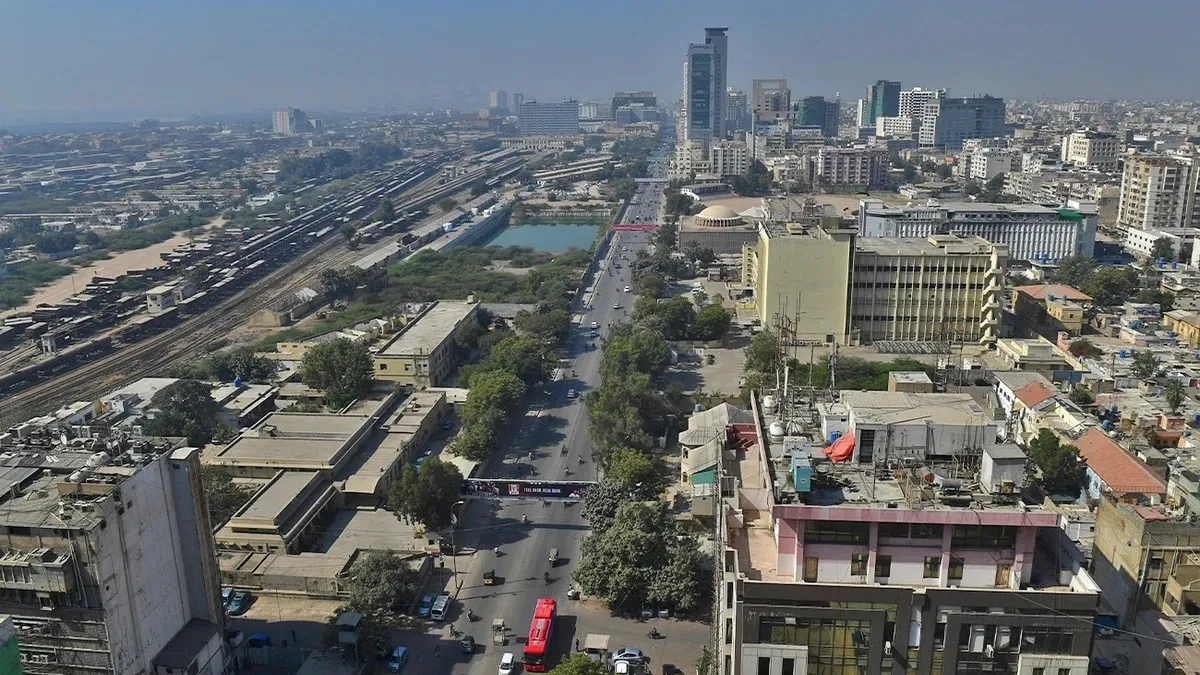
More than 70% of nearly 1,900 buildings inspected in Karachi since January have failed to meet required fire safety standards, raising serious concerns about the safety of thousands of occupants. The alarming figures demonstrate widespread vulnerabilities in commercial, industrial, and residential properties across Pakistan largest metropolitan area. Authorities revealed these findings during a major industry gathering, bringing renewed attention to long-standing infrastructure and compliance gaps.
The disclosures point to systemic weaknesses in how building regulations are enforced across the city. Despite multiple major fire incidents in recent years, thousands of structures continue to operate without adequate preventive measures or emergency equipment. Officials warn that the high failure rate puts countless citizens at risk every day as commercial activity and urban density continue to expand.
What the Findings Mean for Building Occupants
The findings were shared during the fourth National Fire Safety Conference and Risk-Based Awards 2026, organized by the Fire Protection Association of Pakistan. Rescue 1122 Chief Operating Officer Abid Jalal revealed that around 1,900 buildings had undergone fire safety audits this year, with more than 70% found to have deficiencies in their safety arrangements. He said the findings highlighted serious weaknesses in the enforcement of building safety regulations despite several major fire incidents in the city.
To address these shortcomings, Jalal called for revisions to the 2016 building code and the establishment of a dedicated technical body responsible for fire safety standards, inspections, and compliance. Creating a specialized agency would remove overlapping jurisdictions and ensure that structural and fire safety rules are strictly monitored across all districts. Experts argue that current municipal frameworks lack the specialized technical capacity required to audit complex modern high-rises and industrial facilities effectively.
Challenges Faced by Karachi Firefighters
Meanwhile, Chief Fire Officer Humayun Khan said Karachi had reported approximately 160 fire incidents in the past two weeks alone. He highlighted several challenges faced by firefighters, including encroachments, narrow roads, and delays in reporting emergencies. These physical obstacles often prevent heavy fire tenders from reaching disaster sites quickly, turning manageable sparks into catastrophic blazes.
Referring to the Gul Plaza fire, Khan said the central fire station was informed nearly 26 minutes after the blaze began, even though videos of the incident were already circulating on social media. He criticized the practice of recording fires instead of immediately informing emergency services, saying such delays could affect rescue operations. Khan added that the number of fire stations in Karachi had increased from 22 to 28, while the department currently had eight snorkels and 52 water bowzers.
Essential Safety Equipment and Training Needed
FPAP President Kanwar Waseem stressed the need for preventive safety measures, including functional fire alarms, sprinklers, extinguishers, and accessible emergency exits in buildings. Without these foundational elements, occupants have very little chance of evacuating safely before toxic smoke and flames overtake a floor. He also called for practical fire safety training for employees, students, and building occupants to improve emergency preparedness.
Training programs help reduce panic during a crisis and ensure that people know how to use basic equipment like fire extinguishers before professional help arrives. Schools, offices, and factories must conduct regular evacuation drills to build muscle memory and identify blocked corridors or locked exit doors before an emergency occurs.
Industrial Infrastructure and Economic Impact
Former Karachi Chamber of Commerce and Industry President Javed Bilwani raised concerns about inadequate firefighting infrastructure in commercial and industrial areas. He claimed that Karachi contributed approximately 54% of Pakistan's exports and 67% of tax revenues, yet several industrial estates and markets, including McLeod Road, lacked essential fire hydrants. Without local water sources, fire engines must travel long distances to refill, losing precious minutes during active firefighting operations.
Former Provincial Disaster Management Authority Operations Director Imdad Siddiqui identified poor policy implementation and weak coordination between institutions as major challenges in disaster management. Hussain Habib Corporation CEO Fawad Bari also emphasized the importance of basic fire safety education, particularly teaching children how to evacuate buildings safely and respond to emergencies. The conference also discussed lessons from the Gul Plaza and PIMS fire tragedies, with participants calling for stronger enforcement of safety regulations and greater public awareness.