Karachi to Get Pakistan First Marble City Industrial Park
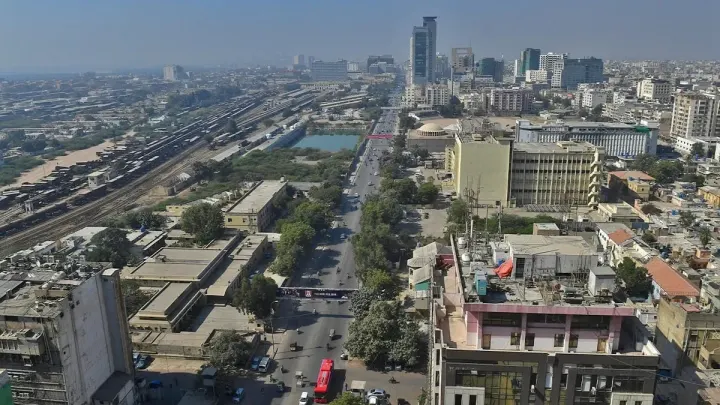
The Sindh government is establishing Pakistan's first Marble City in Karachi to attract investment, promote industrial activity and create employment opportunities. This major infrastructure undertaking aims to transform how the region handles natural stone resources by shifting the focus from raw exports to value-added finished goods. Provincial authorities formally revealed the plans during a pre-launch ceremony for the industrial park.
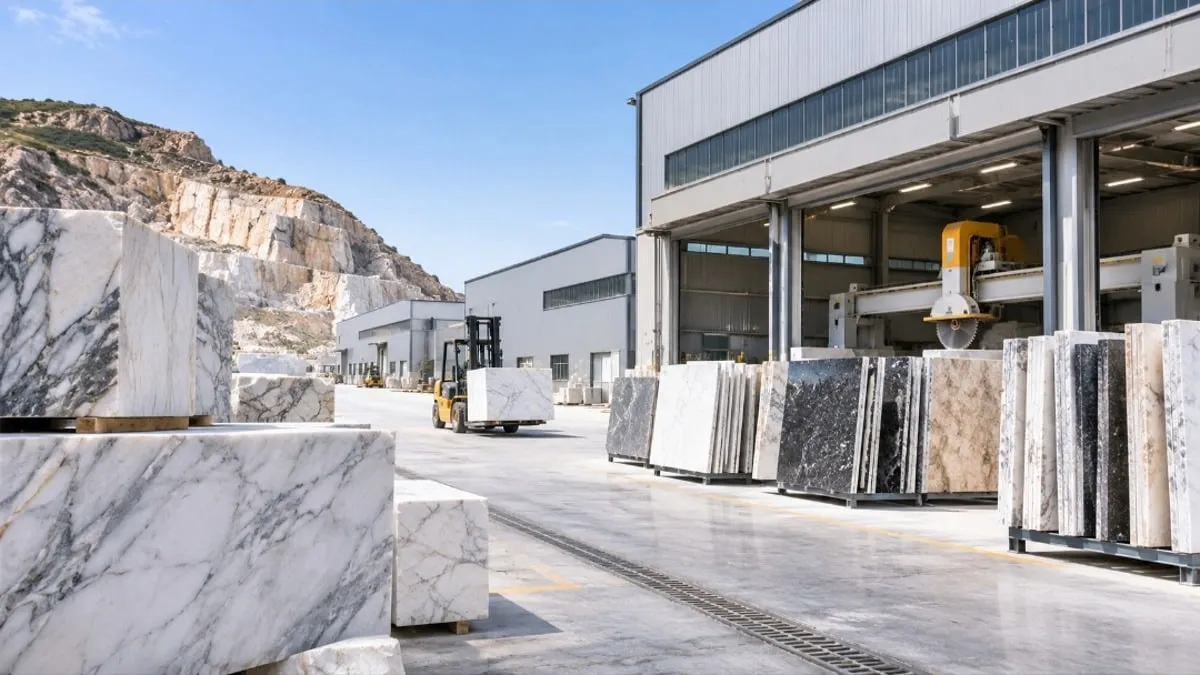
Sindh Information and Transport Minister Sharjeel Inam Memon announced the project at the pre-launch ceremony of the Karachi Marble City Industrial Park. He said the project would enable local processing of marble and granite from Sindh and other parts of the country using modern machinery and technology. Officials believe this transition will significantly increase the commercial value of domestic stone on the global stage.
Location and Scale of the Karachi Marble City Project
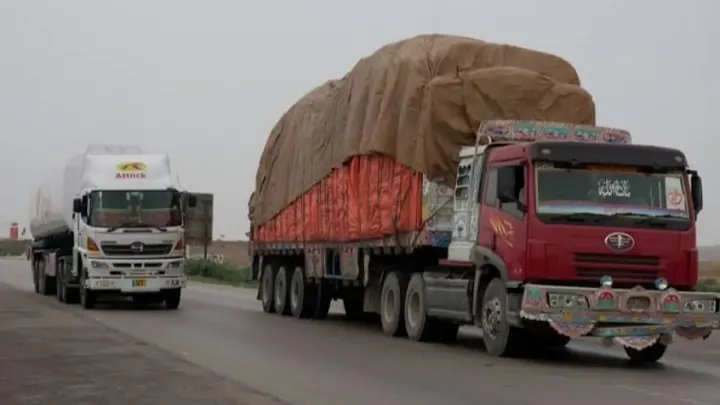
Spread over more than 300 acres along the Northern Bypass, the project carries an estimated cost of $250 million and will operate under a public-private partnership framework. The Northern Bypass location offers strategic logistical advantages for heavy transport vehicles moving raw materials and finished goods to and from the port and major highways. This massive expanse of land will be divided into industrial plots tailored to modern processing units and heavy machinery requirements.
The government has set the average land price at approximately Rs. 25 million per acre and will offer installment plans to investors. By providing structured payment schedules, the provincial administration intends to make the zone accessible to a wide range of medium and large enterprises looking to expand their manufacturing footprint.
Support and Infrastructure for Investors
Special Assistant to the Chief Minister on Investment Qasim Naveed Qamar said the government was also exploring ways to provide affordable electricity, machinery on rent and modern industrial equipment to businesses operating in the park. Reliable power supply and specialized cutting equipment represent major overhead costs for stone processing businesses, making state-backed assistance a vital component of the park appeal. These support mechanisms aim to reduce the initial capital burden on business owners and accelerate the operational timeline for new factories.
The public-private partnership model ensures that private sector efficiency guides the development and management of the zone. Officials anticipate that combining government-backed land allocations with private operational expertise will create a competitive manufacturing ecosystem.
Timeline and Economic Impact on Exports
Investor registration is scheduled to begin next month. Memon said the project would help Pakistan produce finished marble and granite products for international markets instead of exporting raw materials. Historically, the country has relied on shipping unfinished blocks abroad, capturing only a fraction of the potential economic value.
Processing the stone locally generates skilled jobs for workers, technicians and engineers within Karachi and the surrounding region. The shift toward refined exports aligns with broader national efforts to diversify industrial output and strengthen foreign exchange reserves.
Background on the Stone Processing Sector in Pakistan
Pakistan possesses vast reserves of marble and granite across various provinces, with significant deposits located in Sindh, Balochistan and Khyber Pakhtunkhwa. Despite these rich natural endowments, the domestic industry has traditionally suffered from outdated extraction techniques and a lack of advanced processing facilities. Most quarried stones left the country in rough blocks, resulting in lower revenues for local miners and missing out on the lucrative international market for polished tiles, countertops and architectural ornaments.
Previous efforts to organize the sector faced hurdles related to inconsistent power supplies, high machinery import duties and inadequate industrial infrastructure. The new facility near the Northern Bypass attempts to address these historical bottlenecks by concentrating resources and state support in a single, dedicated zone.
What Comes Next for Prospective Investors
As the registration window approaches next month, business owners and industrial groups are reviewing the land pricing and installment structures announced by the province. Authorities will release further guidelines regarding utility connections, equipment rental agreements and plot allocation criteria ahead of the formal application period. Observers in the manufacturing sector will monitor how effectively the public-private partnership delivers on promises of affordable electricity and specialized machinery rentals.