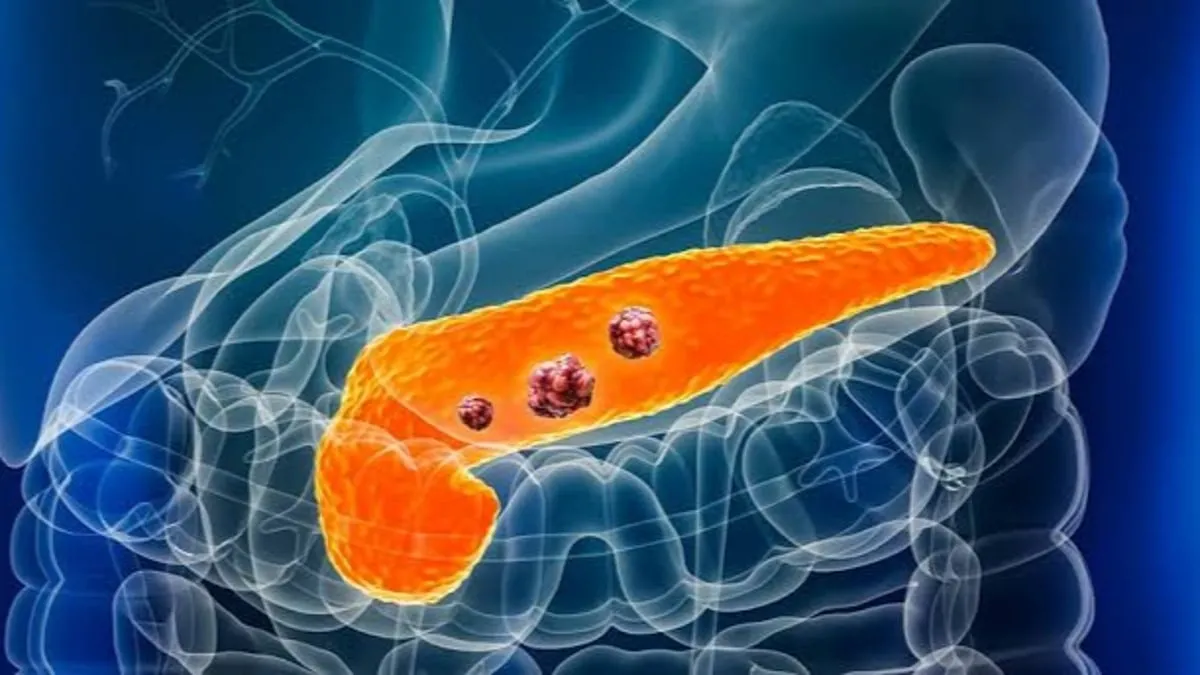
New Daily Pill Shows Promise for Advanced Pancreatic Cancer Treatment
A new daily pill called daraxonrasib has shown promising results in early clinical trials for pancreatic cancer, with some patients experiencing significant tumor shrinkage and others showing no detectable signs of the disease on scans. The drug was tested alongside chemotherapy in 61 patients with recently diagnosed advanced pancreatic cancer that had spread to other parts of the body. This development offers a new avenue of investigation for a disease that has historically proved extremely difficult to treat successfully with conventional medications.
Medical researchers and oncologists have closely followed these early findings because treatment options for advanced pancreatic tumors remain severely limited. The combination of the new medication with standard chemotherapy protocols produced high rates of disease stabilization among the trial participants. Experts emphasize that while these initial outcomes represent a major step forward, further trials are necessary to confirm long-term benefits and safety profiles across larger patient populations.
How Daraxonrasib Works Against RAS Mutations
The experimental drug daraxonrasib operates by targeting specific cellular drivers known as RAS mutations, which stimulate tumor growth and appear in the vast majority of pancreatic cancer cases. By blocking these genetic mutations, the treatment prevents them from supporting cancer proliferation within the body. Similar genetic alterations also occur in other tumor types, including lung and ovarian cancer, which raises the possibility of expanding research into its use for other malignancies. Scientists have long sought methods to inhibit these specific targets, which were previously considered difficult to address with pharmaceutical interventions.
During the Phase I/II trial, results showed that tumors stopped growing in 90% of participants, while more than 60% experienced tumor shrinkage or disappearance. In around 8% of patients, or approximately one in 12, the cancer became undetectable on CT scans. Researchers tracked participants for an average of 18 months, during which some patients did not experience a return of their disease. Doctors note that longer studies remain essential to determine the exact duration of disease control provided by the therapy.
Expert Reactions and Clinical Trial Findings
Cancer Research UK described the findings as the biggest advance in pancreatic cancer treatment in decades. The charity's Dr. Sam Godfrey said the results were encouraging, adding that the drug had found a way to target mutations previously considered difficult to treat. These observations highlight the potential shift in how oncologists might approach genetically driven tumors in the coming years as more clinical data becomes available.
Dr. Wungki Park of Memorial Sloan Kettering Cancer Center stated that the early findings showed higher tumor response rates, deeper responses and nearly twice the duration of disease control, which could eventually lead to longer survival. Despite this enthusiasm, medical professionals maintain a measured outlook regarding the timeline for wider availability. Clinical development must proceed through larger Phase III trials before regulatory agencies can consider approval for general clinical practice.
Understanding the Challenge of Pancreatic Cancer
Pancreatic cancer remains one of the hardest cancers to treat due to its aggressive nature and the frequent delay in diagnosis until the disease reaches advanced stages. The condition accounts for around 3% of all cancer cases in the United States but causes approximately 8% of cancer deaths, killing about 53,000 people annually. Because symptoms often do not appear until the disease has progressed or spread to other organs, most patients receive diagnoses after surgical removal is no longer an option.
Doctors have cautioned that the recent trial results do not mean the drug is a cure for the disease. Cancer can return even when scans show no detectable disease, and further research is needed to establish whether the treatment can produce lasting remission and improve overall survival. Patients currently diagnosed with advanced pancreatic cancer continue to rely on clinical trials and standard chemotherapy regimens while researchers work to validate these new therapeutic strategies.