Scientists in Switzerland have developed an experimental implant that uses electricity to lower blood sugar levels and support weight loss, potentially offering a new treatment for diabetes and obesity.
What the New Implant Does and How It Works
Researchers at ETH Zurich designed a small device that converts excess glucose in the bloodstream into gluconate, a compound the kidneys can excrete in urine. The conversion is driven by an electric current generated within the implant.
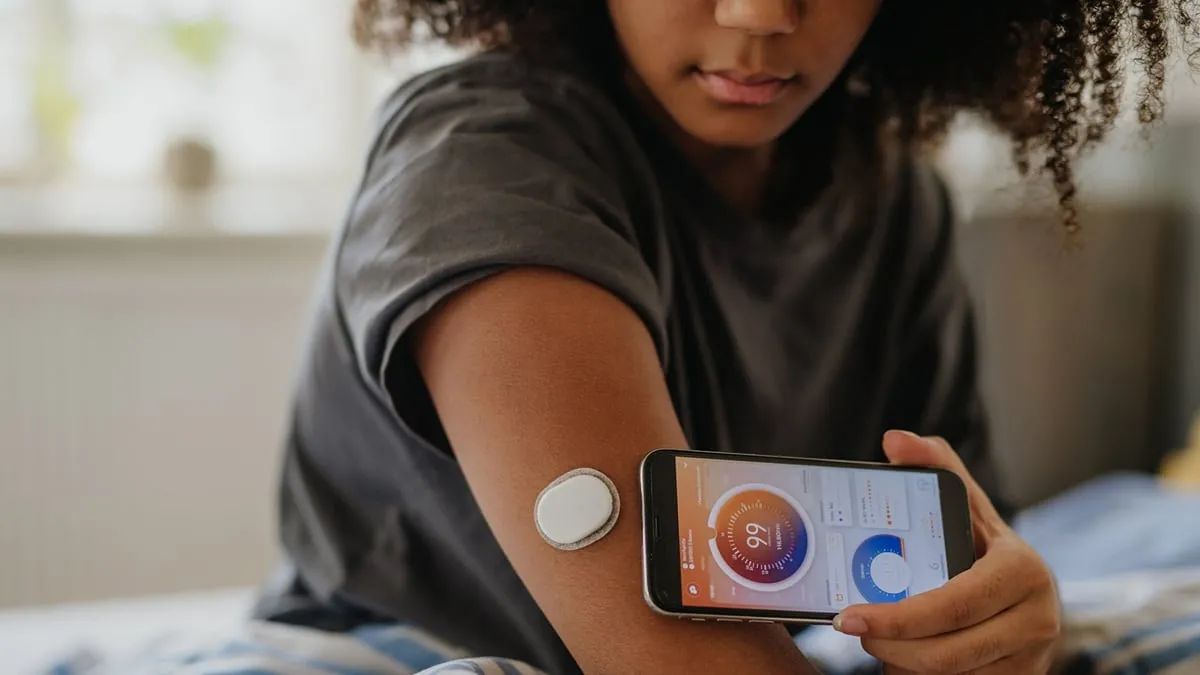
The implant is built from gold and platinum particles embedded in a graphite matrix. These metals act as electrodes that facilitate the electrochemical reaction. The device is powered wirelessly, receiving energy from an external transmitter that the patient wears like a patch.
A continuous glucose monitoring (CGM) system is linked to the implant. When the CGM detects a blood-sugar reading above a preset threshold, it sends a signal that activates the implant. Once glucose falls back into the target range, the system shuts the device off, preventing unnecessary glucose removal.
Results From Pre-Clinical Mouse Trials
The findings were published in the journal Science. In experiments on diabetic and obese mice, the implant lowered elevated blood-sugar levels to normal within roughly one hour. The effect persisted for the six-week testing period, during which the mice maintained stable glucose control.
Researchers also noted that the mice used stored fat for energy more efficiently, leading to measurable weight loss and lower triglyceride concentrations in the blood. No significant adverse physiological, inflammatory, or behavioral effects were recorded during the study.
Why This Approach Differs From Existing Diabetes Therapies
Current diabetes treatments focus on regulating blood sugar by increasing insulin availability, enhancing insulin sensitivity, or slowing carbohydrate absorption. The Swiss implant takes a different route: it removes glucose from the bloodstream entirely, reducing the load that insulin must manage.
By converting glucose to a form the kidneys can filter, the device bypasses the pancreas and insulin pathways. This could be especially valuable for patients with type-1 diabetes, where the immune system destroys insulin-producing cells, as well as for those with type-2 diabetes who struggle with insulin resistance.
Potential Impact on Obesity Management
Obesity often co-exists with diabetes, and excess fat contributes to insulin resistance. In the mouse study, the implant's ability to increase fat oxidation resulted in weight loss without dietary restriction. If similar effects occur in humans, the technology could address two major health challenges with a single intervention.
Weight loss also improves lipid profiles, which explains the observed reduction in triglyceride levels. Lower triglycerides reduce the risk of cardiovascular disease, a common complication of both diabetes and obesity.
Steps Required Before Human Use
Although the mouse data are promising, the device is still in an experimental phase. The next steps include:
- Extended safety testing in larger animal models to assess long-term organ effects.
- Optimization of the wireless power system for human tissue depth and movement.
- Regulatory review by agencies such as the Swissmedic and the U.S. Food and Drug Administration.
- Phase-I clinical trials to evaluate safety in a small group of volunteers.
- Phase-II and Phase-III trials to confirm efficacy, dosage parameters, and comparative performance against existing therapies.
Each stage will require detailed reporting of adverse events, device reliability, and patient quality of life.
Practical Takeaways for Patients and Clinicians
At present, the implant is not available for clinical use. Patients should continue to follow established treatment plans, including medication, diet, and exercise. Clinicians can watch for updates from ETH Zurich and related research groups, as future trials may open enrollment opportunities.
For researchers, the study demonstrates a viable pathway for electrochemical glucose removal. It may inspire further exploration of implantable devices that target metabolic waste products beyond glucose.
What to Watch for in Future Reports
Key indicators of progress will include:
- Publication of safety data from larger animal studies.
- Announcements of human trial start dates and enrollment criteria.
- Regulatory filings that outline the device's classification (e.g., Class III medical device).
- Peer-reviewed articles that compare the implant's performance with insulin pumps or GLP-1 agonists.
Stakeholders should monitor these developments to gauge when the technology might move from the laboratory to the clinic.