When Will the Lahore-Faisalabad Train Service Resume?
Pakistan Railways will restore train services on the Lahore-Faisalabad route from November 15, 2026, after completing major repair work on a railway bridge damaged by floods near Sheikhupura. The route has remained suspended since severe flooding in August damaged railway infrastructure and disrupted train operations between Lahore, Sheikhupura and Faisalabad. Passengers and businesses relying on this vital corridor have faced prolonged delays and alternative transport costs since the summer disruptions.
The upcoming reopening on November 15 brings relief to thousands of daily commuters who depend on rail transit for affordable travel between these major urban centers. Pakistan Railways engineering teams have worked continuously to rebuild the compromised sections. The federal railways minister will inaugurate the restored section on November 15, allowing regular train operations to resume officially.
Flood-Damaged Bridge Almost Restored
Pakistan Railways engineering teams have nearly completed restoration work on the Massan Kalar Bridge. Officials said civil work has been completed, while teams are now inspecting the newly laid railway track and finishing some remaining work. Pakistan Railways Chief Executive Officer Hafeezullah said the new embankment and track-laying work were almost complete.
Work on the bridge began in the third week of September after floodwater receded enough for engineering teams to access the damaged site. The destruction left behind by the summer deluge required extensive reconstruction rather than simple patching. Engineers focused on creating a resilient structure capable of withstanding future environmental shocks.
Trial Train Operations Before Full Public Opening
Pakistan Railways plans to operate a trial train within the next few days. The trial will allow railway officials to inspect the restored track and ensure it is safe before regular passenger and freight services resume. This standard safety procedure ensures that track alignment and structural integrity meet all required operational guidelines.
Railway inspectors will monitor the movement of the trial train across the newly laid tracks and the Massan Kalar Bridge. Once the trial confirms the safety of the corridor, the route will receive final clearance for the scheduled November launch. Passengers can expect normal timetables to take effect immediately following the official inauguration.
Cost and Engineering Details of the Reconstruction
Lahore Railways Divisional Superintendent Inamullah Khan said the restoration project cost around Rs. 455 million. The project included civil, mechanical and electrical work. Engineers also constructed a stronger embankment and created water passages under nearby bridges to reduce the risk of similar damage during future floods.
The financial investment reflects the strategic importance of the rail link. By upgrading the embankment and adding water passages, the engineering team aims to prevent the recurrence of the severe erosion that crippled the network in August. These improvements safeguard public funds by building greater durability into the national rail infrastructure.
Major Trains and Economic Impact on the Route
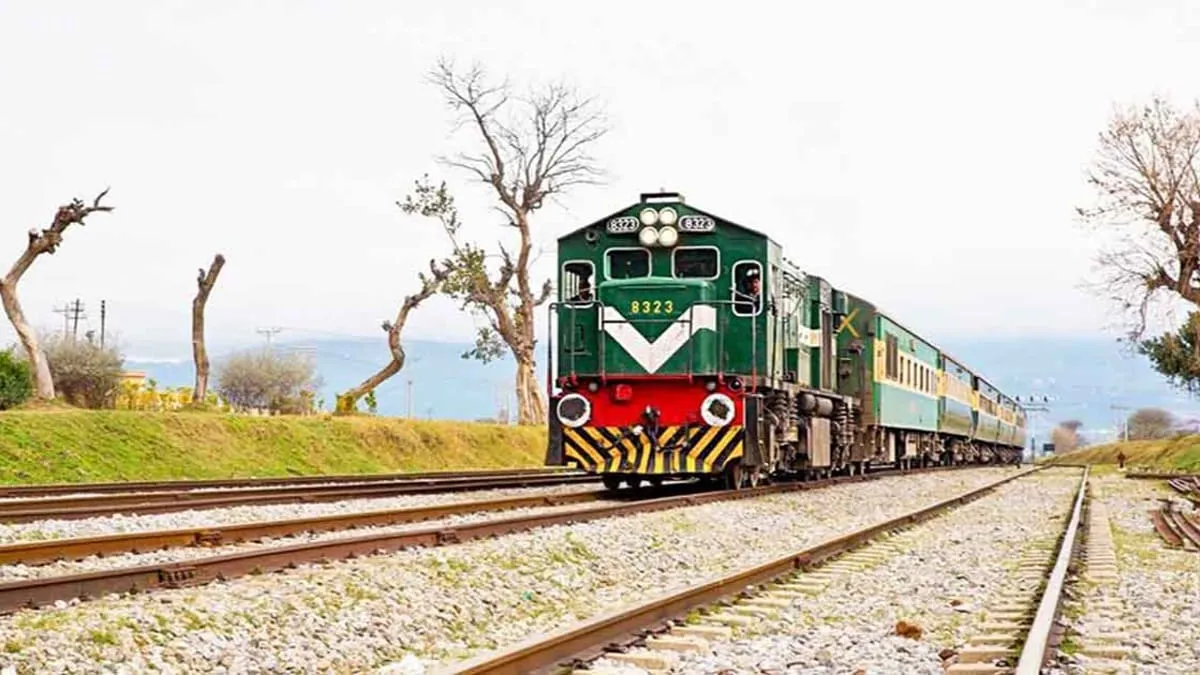
The Lahore-Faisalabad railway section is considered an important revenue-generating route for Pakistan Railways. Passenger trains operating on the route include the Shalimar Express, Badar Express, Ghauri Express and Karakoram Express. Freight trains also use the route depending on the availability of goods for transportation.
The suspension of this line forced long-distance services, such as Lahore-Karachi and Khanewal-Lahore operations running through Faisalabad, to alter schedules or cancel runs. The restoration on November 15 is expected to bring those operations back to the important rail corridor and provide passengers with a more affordable travel option compared to road transport.
Official Inspections and Infrastructure Checks
Deputy Divisional Superintendent (Infrastructure) Qazi Jawad Ahmed conducted a motor trolley inspection of the Lahore-Sheikhupura railway track on Sunday. Divisional Engineer Chaudhry Nasir Hanif and other railway officials also took part in the inspection. The team reviewed construction and rehabilitation work and assessed the remaining steps required before the route could reopen.
These field inspections allow senior management to verify the quality of work performed by engineering contractors and local teams. Officials scrutinized track alignment, ballast depth, and bridge supports during the trolley run. Their direct oversight ensures that the target reopening date remains achievable and safe for public use.
How Summer Floods Disrupted Rail Operations
Flooding in the Ravi and Chenab rivers, along with breaches in Nullah Deg and Bherr, caused extensive damage across the region. Floodwater eroded soil underneath railway bridges and forced Pakistan Railways to suspend traffic on the Lahore-Faisalabad section via Shahdara and Sheikhupura. The railway line was cut off at two bridges, including a major bridge near Qila Sattar Shah on the Lahore-Shahdara-Sheikhupura-Faisalabad route.
As a result, Pakistan Railways cancelled trains originating from Lahore for Faisalabad. It also suspended Lahore-Karachi and Khanewal-Lahore services operating through Faisalabad. The upcoming reopening resolves one of the most disruptive infrastructure bottlenecks caused by the seasonal weather disaster.