DigiSME Pakistan has reached over 2,000 small and medium businesses with AI and digital trade training in just 100 days, marking the fastest early progress any Chinese tech giant has shown inside Pakistan's small business sector. Alibaba.com revealed the numbers at the grand finale of its Pakistan AI Export Voice 2026 competition, held in Lahore on 20 November 2026.
What the 100-Day Results Show
Within 100 days of its launch, the initiative provided digitalisation and AI training programs reaching over 2,000 local SMEs, and onboarded 12 Pakistani businesses onto Alibaba.com to begin digital global trade. Those are real numbers, not targets, and they arrived faster than most observers expected.
The progress was shared during the grand finale of the "Pakistan AI Export Voice 2026" competition in Lahore, which brought together exporters, entrepreneurs and industry stakeholders to showcase the growing role of artificial intelligence in international trade.
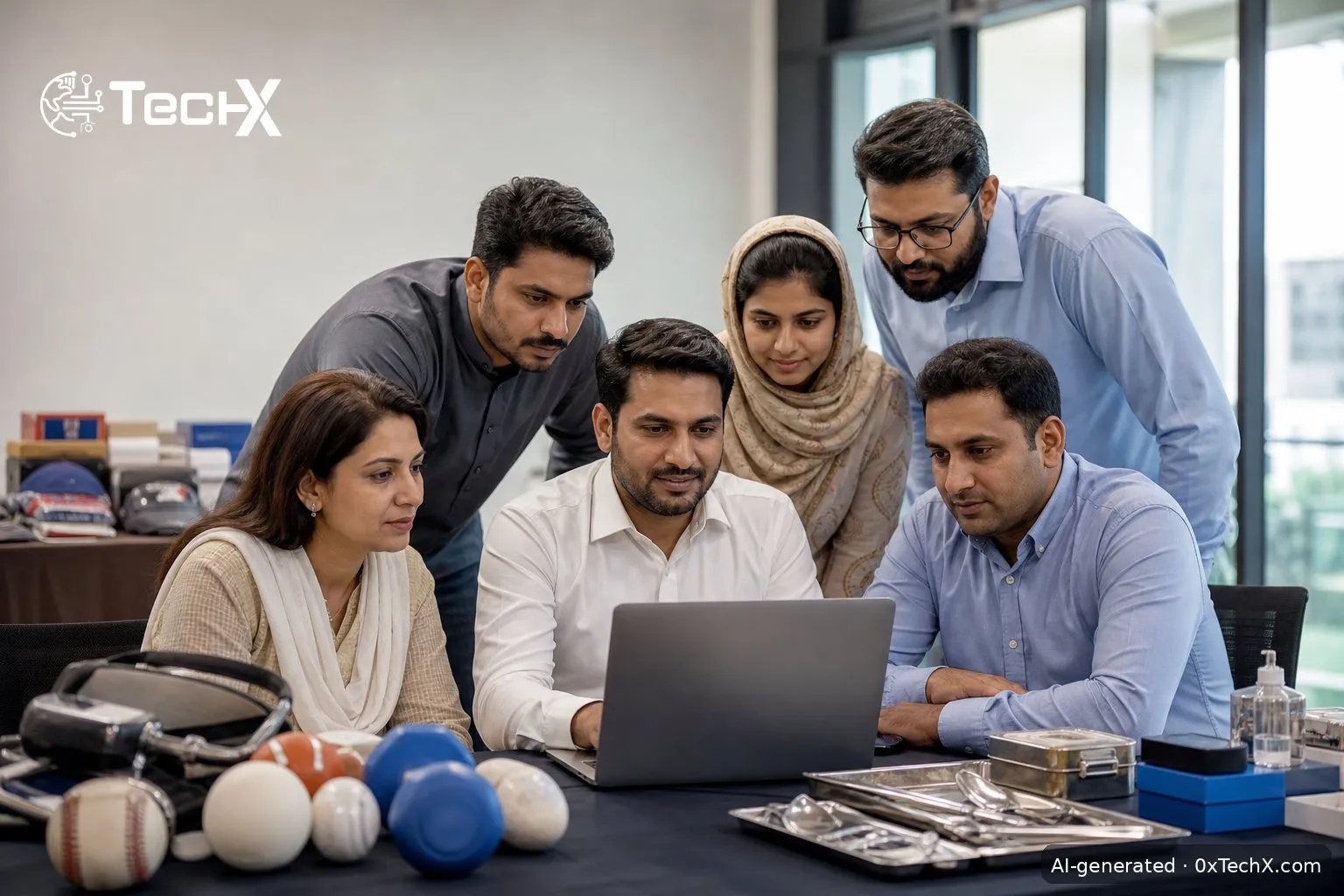
Several Pakistani businesses in handicrafts, cutlery, sportswear, wellness products, medical devices and surgical instruments have been approved for grants under the initiative. These are exactly the export categories where Pakistani factories already have supply, but have struggled to reach overseas buyers without digital tools.
How DigiSME Pakistan Started
The story began earlier this year. In May 2026, SMEDA signed a Memorandum of Understanding with Alibaba Group to enhance digital trade and expand global market access for Pakistan's SMEs. The deal was signed at Alibaba's headquarters in Hangzhou. The agreements were witnessed by Prime Minister Shehbaz Sharif and Alibaba Group Chairman Joe Tsai.
At the time, the ambition was set high. Leveraging Accio Work, Alibaba.com committed to providing AI and digital training to 10,000 Pakistani SMEs, jointly onboarding at least 2,000 local businesses, and upgrading a dedicated "Pakistan National Pavilion" to connect them with over 50 million global B2B buyers. The 100-day results show that progress is tracking against that plan.
What Pakistani Businesses Are Actually Learning
Participants demonstrated how Alibaba.com's AI-powered tools help businesses improve product listings, respond more effectively to buyer inquiries, and secure export orders. These are practical skills, not theory, and businesses reported seeing results quickly.
Businesses reported faster response times to overseas buyers, improved customer engagement, and significant growth in export sales through AI-assisted trade tools. For a small factory owner in Sialkot or Faisalabad, being able to reply to a buyer in Germany at the right moment, with the right product detail, can be the difference between winning an order and losing it.
The DigiSME Pakistan programme brings these tools within reach of businesses that would otherwise not know where to start. Training covers how to create AI-enhanced product titles, generate automated translations, and use predictive pricing models that match buyer expectations.
The New SMEDA Grant for SMEs
One of the most practical announcements at the 20 November event was a new government grant. Eligible businesses can receive reimbursement-based SMEDA support of up to PKR 150,000, subject to applicable eligibility criteria and procedures. This is a direct cash-back for small businesses that invest in going digital and joining the platform.
The partnership combines SMEDA's capacity-building and financial support with Alibaba.com's digital marketplace, technical guidance and preferential pricing. In plain terms, the government covers part of your upfront cost, and Alibaba gives you access to millions of buyers and cheaper commercial packages to get started.
Eligible applicants will have access to training programmes, digital onboarding, preferential commercial packages, financial assistance and opportunities to connect with international buyers through Alibaba.com's B2B platform.
Interested businesses can visit the official SMEDA website to check eligibility and registration details, or go directly to Alibaba.com to explore the Pakistan National Pavilion and digital trade tools on offer.
What Happens Next
Building on the first 100 days of DigiSME Pakistan, Alibaba.com and SMEDA will continue working with government institutions and the local business community to support a digitally capable and globally connected SME sector in Pakistan.
The summit also outlined plans to develop local AI expertise by encouraging experienced sellers to share practical knowledge and promote the adoption of AI export tools. This peer-learning model is important because it builds sustainable knowledge inside the community, rather than relying on outside trainers forever.
The bigger target is still ahead. Under their Strategic Cooperation Agreement, SMEDA and Alibaba.com are working towards training 10,000 MSMEs and facilitating the onboarding of up to 2,000 eligible Pakistani businesses onto Alibaba.com. With 2,000 trained so far, that is 20 percent of the training goal done in 100 days. If the pace holds, the full target is achievable well inside a year.
Coverage gap worth noting: most reporting has focused on the numbers themselves. What is missing from the conversation is the sector mix. Businesses in handicrafts, cutlery, sportswear, wellness products, medical devices and surgical instruments are already getting grants, which tells you that the programme is not just for tech-savvy startups. It is built for traditional Pakistani export industries that need digital help to compete. That is a much bigger and more important audience than the startup crowd.
Pakistan's digital economy push is gaining momentum across multiple fronts. This initiative sits alongside other government-backed efforts such as the Pakistan 50-in-5 digital public infrastructure campaign, which is also drawing international partnerships to broaden tech access across the country.
Frequently Asked Questions
What is DigiSME Pakistan?
DigiSME Pakistan is a joint programme between Alibaba.com and Pakistan's Small and Medium Enterprises Development Authority (SMEDA). It trains Pakistani small businesses in AI tools, digital trade and e-commerce, and helps them join Alibaba.com's global B2B marketplace to reach international buyers.
How many businesses have been trained so far?
Within 100 days of its launch, the initiative provided digitalisation and AI training programs reaching over 2,000 local SMEs, and onboarded 12 Pakistani businesses onto Alibaba.com to begin digital global trade. The overall target is to train 10,000 MSMEs in total.
How can a Pakistani SME apply for the SMEDA grant?
Eligible businesses can receive reimbursement-based SMEDA support of up to PKR 150,000, subject to applicable eligibility criteria and procedures. Businesses should check the official SMEDA website for registration details and eligibility rules. The programme is open to sectors including handicrafts, cutlery, sportswear, wellness, medical devices and surgical instruments.
What AI tools does the programme teach?
Alibaba.com's AI-powered tools help businesses improve product listings, respond more effectively to buyer inquiries, and secure export orders. The main platform used is Accio Work, Alibaba's AI agent built for B2B trade. Businesses also learn how to manage a storefront on the Pakistan National Pavilion inside Alibaba.com.