Federal Government Shifts Asaan Assignment Accounts to Raast
The federal government has decided to discontinue cheque-based payments under the Asaan Assignment Accounts system from November 15, with all payments to be made exclusively through Raast from November 16. This major policy shift marks a definitive move away from traditional paper-based financial instruments within state machinery, aiming to modernise public sector transactions and enhance transparency across government departments.
The decision was announced on Friday at a high-level meeting on the promotion of a cashless economy, chaired by Prime Minister Shehbaz Sharif. Officials told the meeting that drawing and disbursing officers had already received training for the transition. The preparation phase has involved targeted capacity building to ensure that administrative personnel are fully equipped to handle the new digital framework without disrupting regular financial workflows.
Understanding the Asaan Assignment Accounts System
Asaan Assignment Accounts operate as specialized financial mechanisms used by government entities to manage budgeted funds allocated for specific projects, operational expenses, or departmental requirements. Historically, drawing and disbursing officers relied heavily on physical cheques to disburse funds to contractors, vendors, and beneficiaries. This traditional method required physical handling, manual reconciliation, and significant time for clearance through commercial and central banking channels.
The transition away from cheques addresses long-standing administrative bottlenecks associated with paper-based systems. Physical cheque payments are inherently vulnerable to logistical delays, manual errors, and extended processing times. By replacing these instruments with instantaneous digital transfers, the government aims to streamline internal expenditure tracking and eliminate the risks associated with carrying and processing physical payment orders.
What is Raast and How Does It Work?
Raast is Pakistan's instant payment system, developed by the State Bank of Pakistan to enable fast, secure, and low-cost electronic transactions across the financial ecosystem. It connects commercial banks, microfinance banks, electronic money institutions, and government payment gateways into a single, unified network. Transactions processed through the platform settle in real time, allowing funds to move directly from one account to another within seconds.
The platform uses simplified identifiers, such as IBANs or linked mobile numbers, making it easier for users to send and receive funds without needing complex banking details. By integrating Asaan Assignment Accounts into this infrastructure, the state leverages existing instant payment capabilities to handle large-scale institutional disbursements. The system removes intermediaries, reduces transaction costs, and provides an immutable digital audit trail for every rupee spent by public offices.
Broader Digitisation of Federal and Provincial Departments
Officials told the meeting that digitisation of payments was progressing across federal and provincial departments, with most institutions expected to complete the process by December 2026. This broader initiative encompasses a wide range of public sector financial operations, moving away from legacy administrative practices that have dominated government offices for decades. Ministries and autonomous bodies are systematically upgrading their accounting software and treasury interfaces to interface seamlessly with modern digital payment gateways.
Payments under the Benazir Income Support Programme, they added, were now being made entirely through digital wallets. This welfare disbursement model demonstrates the feasibility of large-scale electronic cash transfers to millions of citizens, bypassing traditional physical distribution points and reducing leakage. Extending this digital-first approach to institutional assignment accounts represents the next logical step in the state's comprehensive financial modernisation strategy.
Directives for a Comprehensive Digital Payments Roadmap
The prime minister directed the relevant authorities to prepare a clear roadmap, with specific targets and deadlines, for a fully digital payments system across the country. He asked all ministries and government institutions to ensure full implementation of the cashless economy plan. This instruction mandates strict institutional accountability, requiring department heads to report progress regularly and adhere to fixed timelines for complete digital integration.
He also instructed officials to address, without delay, the technical and consumer-related problems faced by users, stressing that wider access to technology and reliable internet connectivity were essential to the initiative's success. Recognizing that infrastructure gaps can hinder adoption, the leadership emphasized that digital expansion must be matched by robust technical support systems and stable network availability across urban and rural administrative jurisdictions.
Expanding QR Code Payments and Utility Billing
The meeting reviewed efforts to promote Raast QR code payments between consumers and merchants. The prime minister directed that the initiative continue under government patronage, noting that QR-based payments were advancing the vision of a cashless economy of the government. Merchants and small businesses are increasingly encouraged to adopt QR codes to accept digital payments from customers, reducing cash reliance in daily retail commerce.
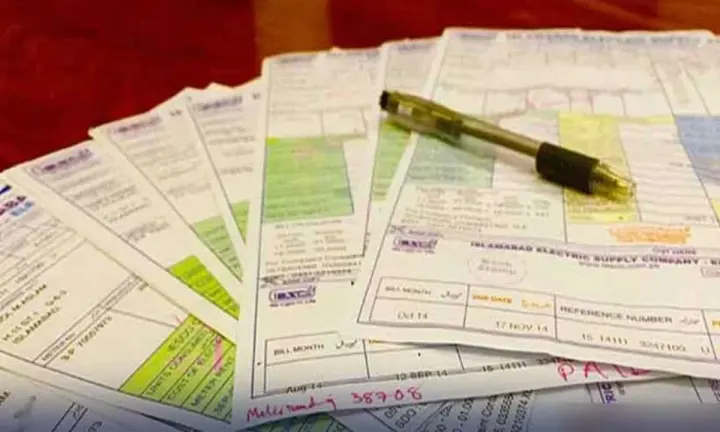
He called for an effective media campaign to encourage electricity and gas consumers to pay their bills by scanning the QR codes printed on them. Officials said work was under way on a system to enable digital transactions in areas without internet access, while efforts to improve internet infrastructure nationwide were being accelerated. These complementary measures aim to capture utility payments within the digital ecosystem and bridge connectivity divides, ensuring that all citizens can participate in the evolving cashless economy regardless of their immediate technological environment.