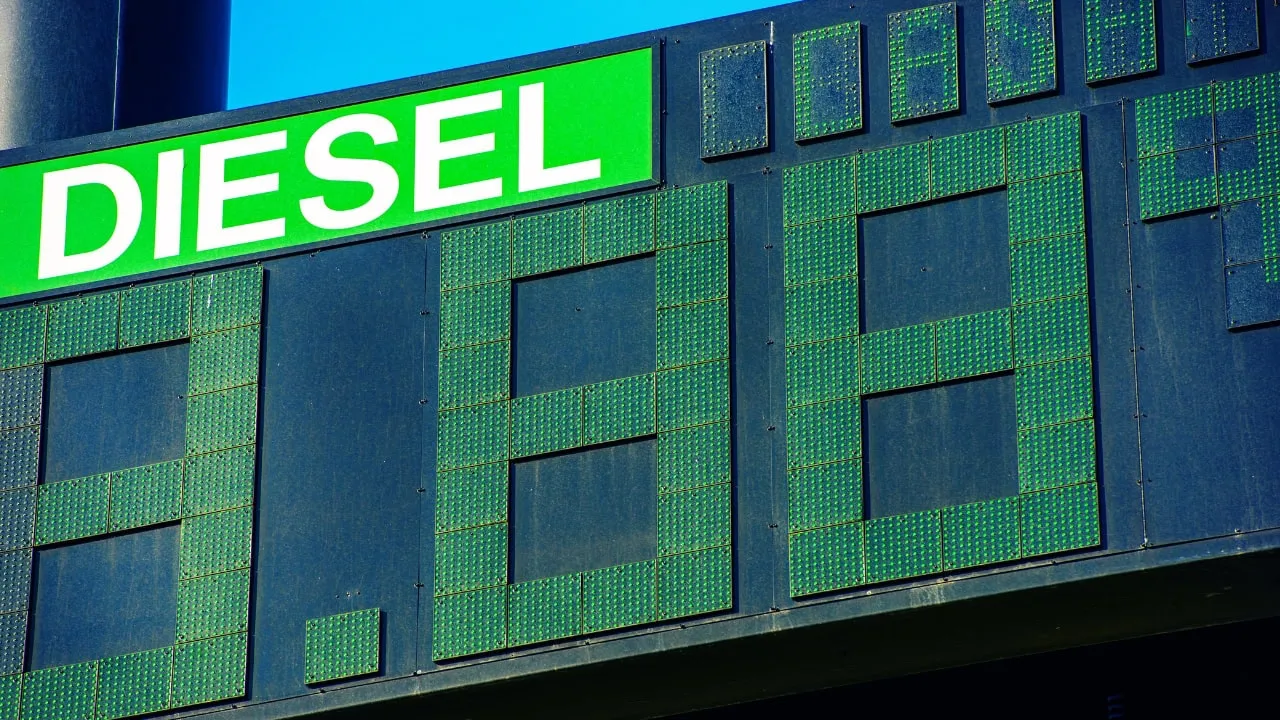
On October 19, 2026, the Ministry of Energy (Petroleum Division) formally adjusted the pricing structure for High-Speed Diesel (HSD) to control local fuel expenses during the ongoing Iran-US war.
The Revised High-Speed Diesel Pricing Formula
The Federal Cabinet cleared changes to the older HSD pricing formula from August 19, 2026. Officials set a strict HSD crack ceiling of US$ 38.00 per barrel and established US$ 11.33 per barrel as the absolute floor for calculations.
The administration will rely on a seven-working-day average crack to cap the maximum allowable crack at US$ 38.00 per barrel. This framework stays active for three months, though authorities may review it early if geopolitics improve and international prices drop fast.
Other petroleum pricing parameters stay the same. The Ministry asked the Oil and Gas Regulatory Authority (OGRA) to enforce these steps immediately.
Navigating the Global Fuel Crisis
This policy change follows the biggest energy supply disruption since the 1970s. The 2026 US-Israel war on Iran started a global fuel crisis when Iran blocked the Strait of Hormuz in late February, halting a maritime chokepoint that carried about 25% of global seaborne oil trade. The United States responded with a naval blockade on Iranian ports.
A temporary June ceasefire failed on July 8 after attacks on commercial vessels, leading Iran to close the strait again while the US military launched airstrikes to reopen shipping lanes.
Because fighting and blockades choked global oil shipments, the Federal Government began adjusting petrol and diesel prices daily starting July 17, 2026, through OGRA. The new HSD crack ceilings add more economic protection during this crisis.