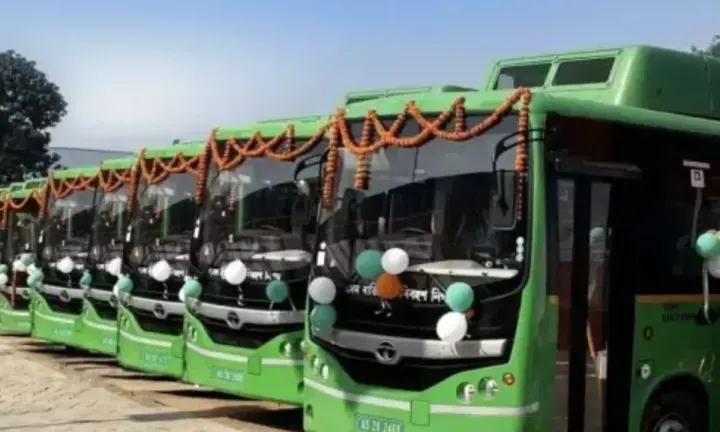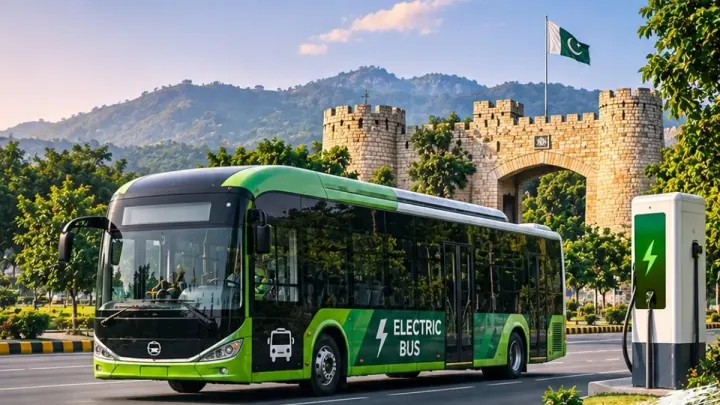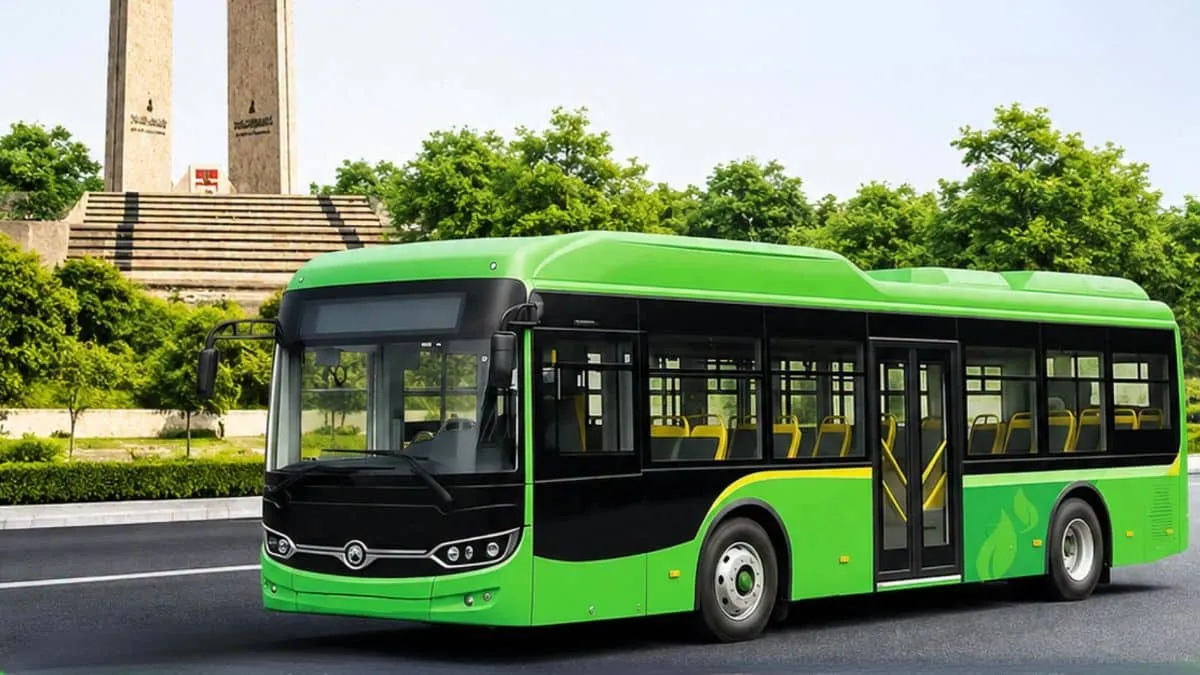
Gujranwala's electric bus service Route No. 2, running between Nandipur and Khayali Bypass, has officially published its 19-stop itinerary and a flat fare of Rs. 20, giving daily commuters a clear picture of the new public-transport option.
The announcement matters because it provides a reliable, low-cost alternative to private vehicles and motorbikes, which dominate traffic in Gujranwala, a city of over 2 million people in Punjab province.
What Stops Are Included on Route No. 2?
The transit authority released a detailed route map that lists each stop in order from the northern terminus at Nandipur to the southern end at Khayali Bypass. The stops are:
- Nandipur
- Ginum Hospital
- Butnna Wali
- Aroob Mor
- Maafi Wala
- Sialkot Bypass
- Wanya Stop
- Jagna Bazaar
- Fattu Mand Chowk
- Purani Chungi
- Church Road
- DC Office
- Jinnah Stadium
- Sheikhupura Mor
- Mini Stadium
- Qainchi Stop
- Siddique Sadiq Hospital
- Shah Pur
- Khayali Bypass
These locations span residential neighborhoods, health-care centres, commercial markets, educational institutions and civic facilities, creating a comprehensive network that links key parts of the city.
How the Electric Bus Service Fits Into Gujranwala's Transport Landscape
Gujranwala has long relied on a fragmented mix of private minibusses, auto-rickshaws and informal vans. The municipal government launched the electric bus program in 2022 as part of a broader clean-energy initiative aimed at reducing air pollution and traffic congestion. The fleet consists of battery-powered buses supplied by a joint venture between the Punjab Transport Department and a local manufacturer.
Route No. 2 is the second line to become operational after the pilot corridor on Route No. 1, which runs from the city centre to the industrial zone. Early ridership data from Route No. 1 showed a 12 % shift of commuters from private vehicles to electric buses within the first three months, encouraging the authorities to expand the network.
Ticket Fare Structure and Payment Options
The posted fare for a single journey on Route No. 2 is Rs. 20, regardless of distance traveled. This flat rate aligns with the fare policy applied to other electric bus routes in the province, which aims to keep public transport affordable for low-income households.
Passengers can purchase tickets in three ways:
- Cash payment to the driver at the boarding point.
- Reloadable smart cards sold at designated kiosks, including the Safar Gujranwala Transit Directory office.
- Mobile payment through the Safar Gujranwala app, which also provides real-time schedule updates.
All payment methods are integrated with the provincial e-ticketing platform, allowing for seamless fare collection and data tracking.
How to Access Timetable and Real-Time Information
Commuters are directed to the Safar Gujranwala Transit Directory for up-to-date departure times, route changes and service notices. The directory is accessible via a website, a mobile app, and physical information boards placed at major stops such as the DC Office and Jinnah Stadium.
Timings are scheduled but may be adjusted due to operational conditions such as battery charging cycles, traffic incidents or weather-related disruptions. The transit authority advises riders to check the directory before each trip.
Impact on Local Communities and Businesses
The introduction of an electric bus line that stops at markets like Jagna Bazaar and commercial hubs such as Sialkot Bypass is expected to boost foot traffic for small retailers. Health-care facilities, including Ginum Hospital and Siddique Sadiq Hospital, anticipate improved accessibility for patients and staff who previously relied on costly private transport.
Educational institutions along the corridor, notably those near Maafi Wala and Mini Stadium, will benefit from safer, predictable travel options for students. The flat fare also reduces the financial burden on families with multiple school-going children.
Environmental and Economic Benefits
Each electric bus replaces an estimated 15 conventional diesel vehicles, cutting carbon dioxide emissions by roughly 30 % per kilometre. Over a typical day of operation, the Route No. 2 fleet is projected to save about 1,200 kg of CO₂, contributing to Punjab's target of a 20 % reduction in urban emissions by 2030.
Economically, the program creates jobs in bus maintenance, charging infrastructure management and digital ticketing services. Local manufacturers of battery packs have reported a 7 % increase in orders since the rollout began.
What Comes Next for Gujranwala's Electric Bus Network?
The transport department has indicated that additional routes are under feasibility study, with a focus on linking the industrial belt in the east to the historic centre in the west. A public consultation is scheduled for early next month, during which residents can submit suggestions for new stops or service adjustments.
Meanwhile, the authority will monitor ridership trends on Route No. 2 for the next six months. If demand exceeds capacity, they may increase bus frequency during peak hours or add a supplementary shuttle service between high-traffic stops such as Jinnah Stadium and Sheikhupura Mor.
Stakeholders are also watching the rollout of fast-charging stations at the Khayali Bypass terminus, which will reduce bus downtime and improve schedule adherence.
Practical Takeaways for Daily Commuters
To make the most of the new service, commuters should:
- Download the Safar Gujranwala app for real-time updates.
- Obtain a reloadable smart card for faster boarding and to avoid cash handling.
- Plan trips around peak-hour schedules, which are posted on the directory and at major stops.
- Report any service irregularities through the app's feedback feature, helping the authority maintain reliability.
By following these steps, passengers can enjoy a smoother, greener ride across Gujranwala's most frequented corridors.