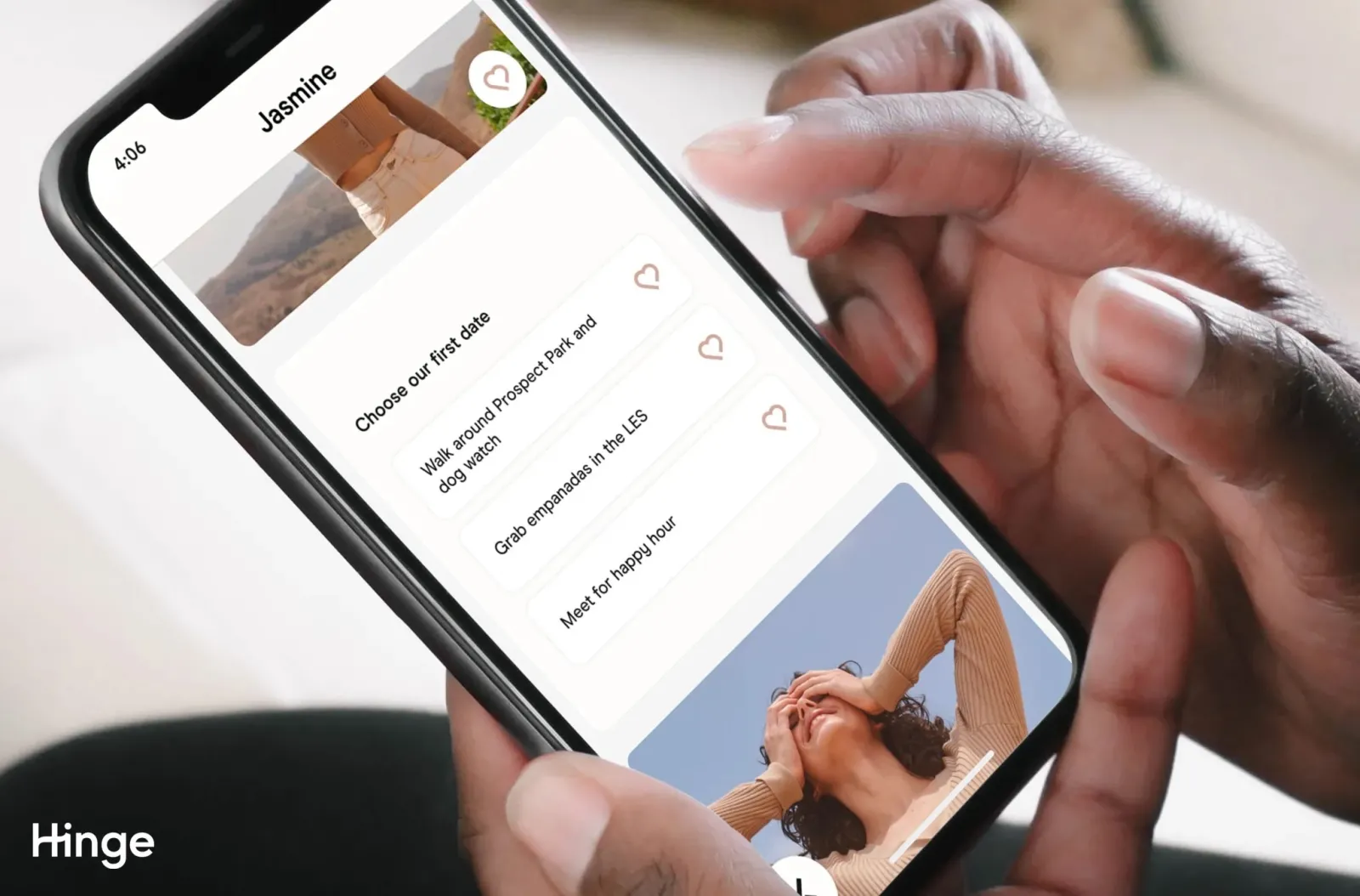
Match Group disclosed on its third-quarter 2026 earnings call that Hinge is piloting a lower-priced subscription tier that adds extra filters and custom-location boundaries, targeting women and other price-sensitive users.
The announcement comes as the parent company searches for fresh ways to convert users into paying customers while overall interest in paid dating-app features wanes.
Why Hinge Is Introducing a Cheaper Tier
Hinge's CFO Steve Bailey said the new tier is "designed for women in particular, but also for price-sensitive users." He noted that Hinge already commands a high average revenue per payer - almost twice Tinder's at about $30 - yet its payer penetration lags behind Tinder, sitting only slightly above half of Tinder's rate.
By lowering the price barrier, Hinge hopes to boost its payer penetration without sacrificing the premium positioning that has driven strong revenue growth.
Current Performance of Hinge Versus Tinder
During the quarter, Hinge posted a stronger set of metrics than its sister app Tinder. Global monthly active users rose 12% year over year, direct revenue climbed 19%, and the number of paying subscribers increased 23% to 2.3 million. Direct revenue reached $221 million.
In contrast, Tinder generated $480 million in direct revenue but saw a modest 2% decline in the same period, and its paid-user base fell 4% to 8.9 million.
These figures illustrate that while Hinge is a smaller player, it is growing faster and delivering higher revenue per user, making it a logical candidate for a price-sensitivity experiment.
How the New Subscription Tier Works
The test plan will retain Hinge's core matching algorithm but will add two notable features:
- Additional filters that let users refine matches by criteria such as education, lifestyle habits, or relationship goals.
- Custom location boundaries, allowing members to set precise geographic limits for who appears in their feed.
Match Group has not disclosed the exact price of the new tier, and attempts to obtain that detail have so far been unanswered.
Background: Subscription Fatigue in the Dating-App Market
Over the past few years, consumers have voiced growing annoyance with recurring subscription fees across entertainment, news, and dating platforms. The term "subscription fatigue" describes the reluctance to add another monthly charge, especially when the perceived value is unclear.
Dating apps have been hit hard by this trend. Users complain about endless swiping, limited match quality, and a feeling that premium features do not substantially improve outcomes. As a result, many have reduced or cancelled paid plans, prompting companies to rethink pricing structures.
Previous Pricing Experiments at Hinge
In 2023, Hinge rolled out a higher-priced tier aimed at users willing to pay extra for advanced tools such as "Boost" and "Read Receipts." The experiment sought to capture a niche segment that valued enhanced visibility and messaging control.
While that premium tier generated modest additional revenue, it did not lead to a broad increase in payer penetration. The current low-cost test represents a strategic pivot toward volume-based growth.
Broader Initiatives to Combat User Fatigue
Match Group is pursuing several product innovations beyond pricing. Recent launches include Group Hangouts and Events, which let members join larger social gatherings rather than relying solely on one-on-one matches.
Another upcoming feature, real-time adaptive recommendations, is slated for testing in the fourth quarter. Announced at the CEO Connection presentation in September, the technology will adjust match suggestions within seconds of user activity, aiming for more relevant and personalized outcomes.
These initiatives are intended to make the platforms feel less like traditional dating services and more like broader social experiences, potentially reducing churn.
Potential Impact on Users and the Market
If the cheaper tier proves successful, Hinge could see a rise in its payer penetration, narrowing the gap with Tinder. More users paying even a modest amount would increase total subscription revenue and could encourage other apps to revisit their pricing models.
For consumers, a lower entry price may make premium features more accessible, especially for those who have previously abandoned paid plans due to cost concerns. However, the added filters and location controls may also raise expectations about match quality, putting pressure on Hinge's algorithm to deliver.
What to Watch for Next
Match Group has not set a timeline for a full rollout. Analysts will be looking for the following signals in the coming months:
- Subscriber uptake numbers for the test tier, broken out by region and gender.
- Any disclosed pricing details that clarify the price gap between the new tier and existing plans.
- User satisfaction metrics tied to the added filter and location features.
- Performance of the upcoming real-time adaptive recommendation engine.
These data points will help determine whether the low-cost approach can be scaled across other Match Group properties.
Practical Takeaways for Readers
Current Hinge users should monitor in-app announcements for invitations to join the test plan. Those interested in premium dating features but deterred by cost may find the new tier a viable option once pricing is revealed.
Potential subscribers should also consider the value of the added filters and custom location settings relative to their dating goals, as these tools could improve match relevance without requiring a higher spend.
Overall, Hinge's experiment reflects a broader industry shift toward flexible pricing and diversified social features as companies grapple with a market weary of endless subscriptions.