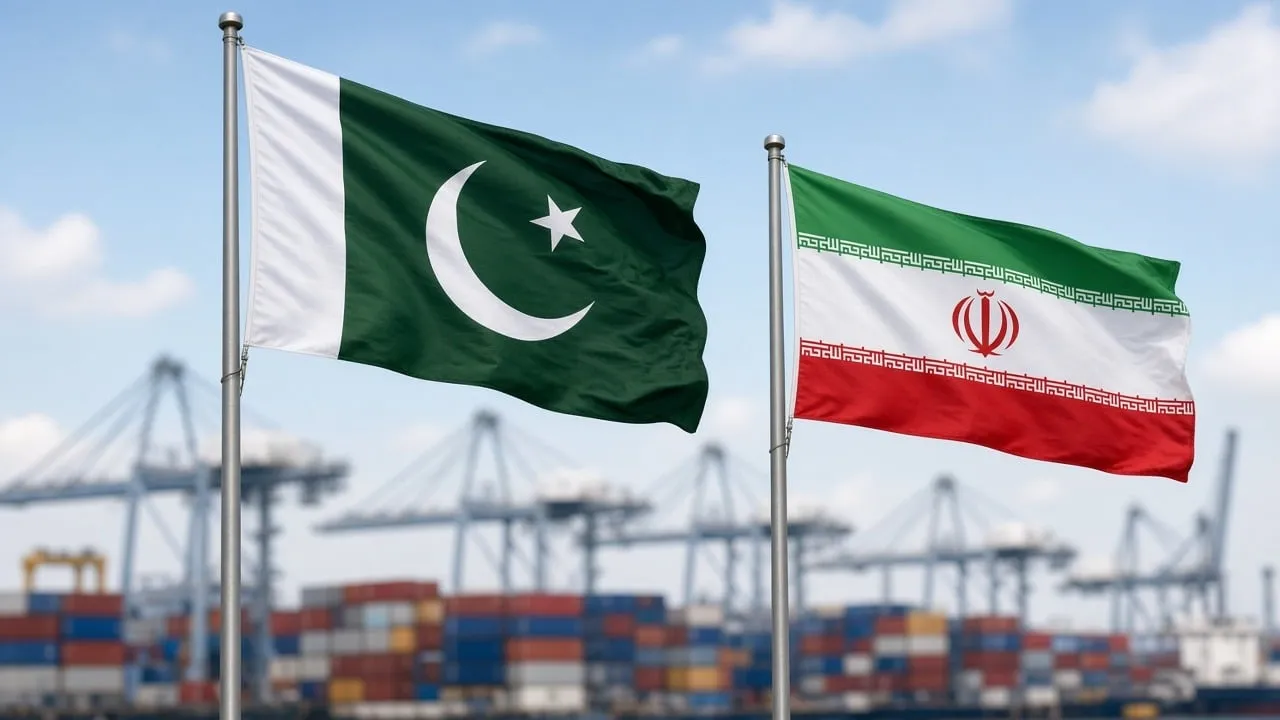
Iran and Pakistan are close to finalizing a long-pending $10 billion free trade agreement (FTA), with officials saying the deal could be signed before the end of 2026 and start cutting customs duties on a wide range of goods.
Deputy Director of the East Asia and Subcontinent Office at the Iran Trade Promotion Organization, Mehrdad Siyadat-Nasab, told the Islamic Republic News Agency (IRNA) on Saturday that negotiations have concluded, both sides have exchanged lists of covered products, and the first phase of the agreement could be implemented before the year ends.
The agreement, if fully enacted, will eliminate customs tariffs on a major portion of Iran's exports to Pakistan and may also include tariff concessions for selected Pakistani products entering Iran. The move is expected to boost bilateral trade, which Siyadat-Nasab estimates at around $6 billion today, to exceed $10 billion.
What the Free Trade Agreement Covers
The FTA will apply zero duties to most Iranian exports destined for Pakistan, including petrochemical products, liquefied petroleum gas (LPG), steel, tiles and ceramics. In return, Iran has signaled willingness to consider reduced duties on certain Pakistani goods, though specific product lists have not been disclosed publicly.
Beyond tariffs, the agreement calls for cooperation in industry, agriculture, mining, and technical and engineering services. Siyadat-Nasab highlighted Pakistan's ports, private sector and logistics infrastructure as critical to expanding trade flows, noting that improved customs procedures could shorten delivery times and lower costs for both exporters and importers.
Why the Deal Matters for Both Economies
Both countries have struggled with trade imbalances and reliance on third-party routes. Historically, a sizable share of Iranian imports from Pakistan passed through the United Arab Emirates' Jebel Ali port, a transit that kept those figures out of official bilateral statistics. By routing more trade directly through Pakistani ports, the FTA aims to capture the full economic value of the exchange.
For Iran, the deal offers a pathway to diversify export markets amid Western sanctions that have limited access to traditional customers. Zero duties on high-value items such as petrochemicals and steel could make Iranian products more price-competitive in the Pakistani market, potentially increasing market share.
Pakistan, on the other hand, stands to benefit from cheaper inputs for its manufacturing sector. Lower-cost Iranian LPG and steel could reduce production expenses for local firms, while access to Iranian tiles and ceramics may support the construction industry's growth.
Potential Challenges and Domestic Reactions
Zero-duty imports could create competitive pressure for Pakistani producers of the same goods. Local manufacturers of steel, tiles and LPG may see their market share shrink unless they can improve efficiency or differentiate their products. The Pakistani government has not yet announced any compensatory measures, such as subsidies or anti-dumping safeguards, to protect vulnerable sectors.
In Iran, the removal of tariffs will reduce government revenue from customs duties. While the trade boost is expected to offset some of the loss, analysts note that the fiscal impact will depend on the speed at which trade volumes rise and the extent of tariff concessions granted to Pakistan.
Implementation Timeline and Next Steps
The two governments agreed in August to raise bilateral trade to $10 billion and pledged in 2024 to expedite the agreement's finalization. With negotiations now concluded, the next procedural steps include:
- Formal signing of the FTA by senior officials from both ministries of trade.
- Ratification by each country's legislative bodies, a process that could take several weeks.
- Publication of detailed product lists and tariff schedules.
- Training of customs officials and integration of electronic data-exchange systems to ensure seamless clearance.
- Monitoring mechanisms to address any disputes or unintended market distortions.
Both sides have indicated a desire to complete these steps before December 31, 2026, allowing the first phase to become operational in early 2027.
Impact on Regional Trade Dynamics
The Iran-Pakistan FTA sits within a broader context of South-Asian and Middle-Eastern trade integration. Iran is also pursuing free trade agreements with Iraq and the United Arab Emirates, while Pakistan has been negotiating trade facilitation measures with China and Central Asian states. A successful Iran-Pakistan deal could encourage further regional cooperation, especially in energy corridors and transport links.
Moreover, the agreement may shift some trade away from the Gulf's hub ports, reducing congestion at Jebel Ali and strengthening Pakistan's role as a regional logistics hub. This could attract additional foreign investment in port infrastructure, warehousing and rail connectivity.
What Businesses and Consumers Should Expect
Importers in Pakistan should prepare for a surge in Iranian shipments once the zero-duty regime takes effect. Companies that rely on LPG, steel or construction materials may see price reductions and faster customs clearance. Exporters in Iran are advised to align production schedules with the new tariff framework and to explore partnerships with Pakistani distributors.
Consumers could benefit from lower prices on goods such as LPG for household cooking and heating, as well as on building materials for new housing projects. However, domestic producers may need to adjust to heightened competition, potentially leading to consolidation in certain sectors.
Overall, the agreement promises to deepen economic ties, expand market access and create new opportunities for firms on both sides of the border, provided that regulatory and logistical challenges are addressed promptly.