Understanding the Recent Flour Price Surge in Pakistan
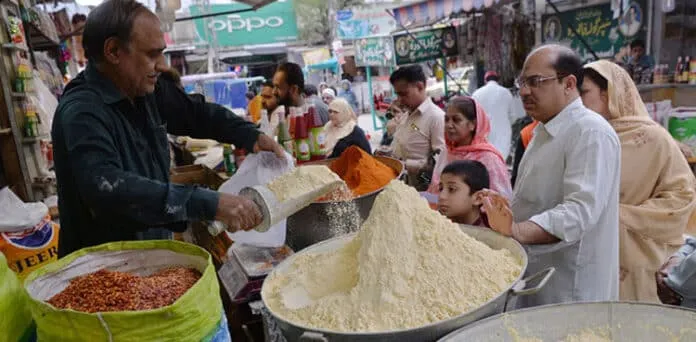
Households across Pakistan face renewed financial strain as the cost of staple food items climbs higher. According to figures released by the Pakistan Bureau of Statistics, a 20-kilogram bag of flour now costs up to Rs. 3,600 in multiple urban centres. This sudden upward movement in the market happens even though authorities permitted wheat imports to stabilise domestic supplies. Citizens who already struggle with high utility bills and general inflation must now pay significantly more for their daily bread.
The latest statistical reports show that rates increased by as much as Rs. 334 within a single week. Urban families experience direct hardship as local grocery stores and flour mills adjust their pricing. This commodity remains the primary source of daily caloric intake for millions of citizens, making any sudden shift in its market value a major socioeconomic concern. Analysts and consumer rights advocates monitor these weekly bulletins closely to gauge the immediate pressure on working-class budgets.
City-by-City Breakdown of 20kg Flour Bag Rates
The impact of this inflationary wave varies across different provinces and municipalities. Karachi, Islamabad, Hyderabad, and Bannu recorded the highest price point of Rs. 3,600 per 20kg bag during the surveyed period. In Karachi, prices climbed by Rs. 100 during the week. Islamabad recorded a rise of Rs. 106.67. Hyderabad saw a much steeper increase of Rs. 240, while Bannu residents absorbed a jump of Rs. 200 for the same quantity.
Other major urban centres experienced substantial upward adjustments as well. Lahore recorded one of the largest single-week spikes, with the price of a 20kg bag jumping by Rs. 333.67 to reach Rs. 3,467. In nearby Gujranwala, the rate rose by Rs. 333 to hit Rs. 3,400. Peshawar residents saw costs climb by Rs. 250 to settle at Rs. 3,550. Rawalpindi recorded a more modest weekly rise of Rs. 66.66, bringing its rate to Rs. 3,533.
Additional municipal markets report similar upward trends. A 20kg bag reached Rs. 3,360 in Sukkur, Rs. 3,333 in Sargodha, and Rs. 3,330 in Quetta. Rates also increased to Rs. 3,300 in Bahawalpur and Larkana. Multan recorded a market price of Rs. 3,266.66, while Faisalabad consumers paid Rs. 3,200 for the same quantity. Only a few locations, such as Sialkot and Khuzdar, maintained steady pricing at Rs. 3,200 with no weekly change reported by statistical authorities.
Role of the Pakistan Bureau of Statistics in Tracking Inflation
The official figures detailing these price movements originate from the Pakistan Bureau of Statistics. This federal institution operates under the national government to collect, compile, and publish economic data. The bureau tracks weekly price trends for essential commodities, including wheat, flour, sugar, and fuel, across dozens of urban markets. These periodic updates provide a clear window into how market forces affect the cost of living.
Gathering this data involves field agents visiting designated retail outlets in major cities to record actual transaction prices. Officials then compare these figures against previous weeks to calculate percentage changes and absolute increases. Policymakers rely on these reports to understand supply chain bottlenecks, evaluate agricultural policies, and determine when market interventions become necessary. For the general public, these reports serve as an independent verification of the financial realities they encounter in local bazaars.
Impact of Wheat Imports on Domestic Market Stability
Government authorities previously permitted foreign wheat shipments to bridge domestic production gaps and calm local markets. Importing grain usually serves to increase overall supply, which theory suggests should keep retail rates manageable. However, the latest market data demonstrates that bringing in foreign wheat has not prevented steep weekly increases at retail counters. Currency fluctuations, transportation expenses, and energy costs often offset the theoretical benefits of external grain purchases.
Millers and commercial bakers pass these operational expenses down to ordinary consumers. When fuel costs rise, transporting wheat from ports to inland mills becomes more expensive. Similarly, electricity tariffs for grinding wheat into flour have climbed over recent quarters. These cumulative production hurdles mean that even with grain shipments arriving from abroad, the final product remains costly by the time it reaches family kitchens.
What Households and Markets Face Next
Consumers across the country must prepare for continued financial adjustments in their household budgets. With staple food items consuming a large portion of average monthly earnings, families often cut back on other essentials to afford basic nourishment. Small grocery vendors and local flour dealers also face tighter margins as customer purchasing power declines in response to persistent inflation.
Observers will watch upcoming statistical releases from federal agencies to see if the market finds a ceiling or if rates continue their upward trajectory. Government officials face ongoing calls to address the structural factors behind high milling and distribution expenses. Until supply chains achieve lasting stability, the cost of a standard 20-kilogram bag will remain a central concern for millions of citizens.