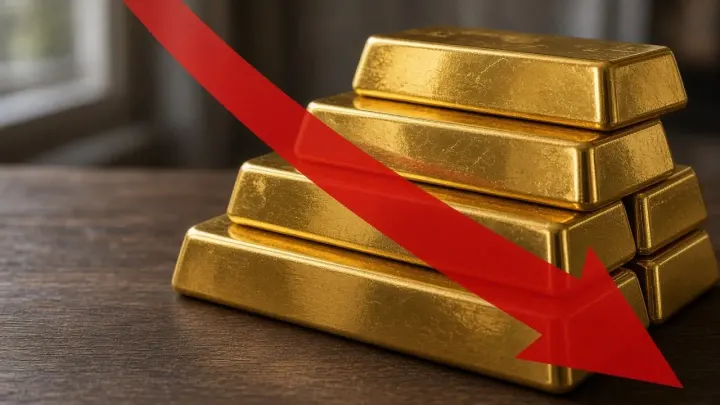
Gold has lost nearly Rs. 197,000 per tola in Pakistan and more than $2,000 per ounce in the international market, a massive reversal after precious metals reached record highs earlier this year.
The sell-off has hit investors worldwide. Silver has suffered an even sharper decline. It has also made gold considerably cheaper for buyers in Pakistan.
How Much Has Gold Fallen in Pakistan?
In Pakistan, 24-karat gold reached an all-time high of Rs. 572,862 per tola on January 29, 2026. Its price has since fallen to Rs. 376,336 per tola as of November 21. This represents a decline of Rs. 196,526 per tola, or approximately 34.3 percent.
The drop translates to a loss of about Rs. 2 lac per tola for anyone who bought at the January peak. For small traders and retail investors, the loss is especially painful because the tola is the standard unit for gold transactions in the local market.
International Gold Prices Mirror the Local Slide
The international market has witnessed a similar reversal. Gold climbed to nearly $5,600 per ounce in January before falling to around $3,538. This represents a decline of more than $2,000 per ounce, or approximately 37 percent.
Because the Pakistani rupee is largely pegged to the US dollar for import pricing, the global decline directly influences the local tola price. When the dollar strengthens, the rupee-denominated price of gold usually rises, but the recent fall in the dollar-price of gold has more than offset the currency effect.
Silver's Even Steeper Descent
Silver has suffered an even bigger setback. Its international price has dropped from around $121 per ounce in January to nearly $41, wiping out approximately 66 percent of its peak value.
Pakistan's silver market has also taken a hit. The price of silver reached a record Rs. 12,175 per tola in January but has now fallen to Rs. 4,600, representing a decline of Rs. 7,575, or more than 62 percent.
Why Gold Is Crashing Despite Global Uncertainty
Gold is traditionally considered a safe-haven investment during wars, inflation and economic uncertainty. However, the latest sell-off reflects changing investor expectations about the previous metals market and the strength of the dollar.
Higher oil prices amid the US-Iran war have played a role too. Elevated oil costs increase inflationary pressures, prompting central banks to consider tighter monetary policy, which in turn makes non-interest-bearing assets like gold less attractive.
Many investors are selling precious metals and shifting towards dollar-based assets. The stronger US dollar is adding to the pressure by making gold more expensive for buyers using other currencies. This is weakening international demand and contributing to the decline.
What Does the Decline Mean for Pakistani Buyers?
For Pakistani buyers, the decline has made gold significantly cheaper than it was at the beginning of the year. Retail customers who wait for price corrections can now purchase a tola for roughly Rs. 376,336, a saving of about Rs. 196,526 compared with January.
However, investors who purchased near January's record highs are feeling the pain. Those who bought at or above Rs. 572,862 per tola now hold assets that have lost more than a third of their value, eroding both capital and confidence.
What Happens Next?
Investors are now closely watching the Federal Reserve's next policy meeting for signals about interest rates. Any indication of further monetary tightening could put additional pressure on gold and silver. Conversely, a weaker dollar or renewed demand for safe-haven assets could help prices recover.
The correction also highlights that even traditionally safe investments can experience sharp declines when global financial conditions change. Market participants are advised to monitor not only metal prices but also macro-economic indicators such as oil price trends, US-Iran geopolitical developments, and central bank policy outlooks.
Practical Takeaways for Investors
- Review the cost basis of any gold or silver holdings bought after January 2026.
- Consider diversifying into assets that benefit from a strong dollar, such as certain equities or US-denominated bonds.
- Stay updated on Federal Reserve announcements, as interest-rate expectations directly affect precious-metal demand.
- Watch oil-price movements; sustained high prices can keep inflation expectations elevated, influencing central-bank policy.
- For new buyers, the current lower price may present an entry point, but be aware of volatility risk.
Historical Context of Gold in Pakistan
Gold has long been a store of value in Pakistan, where cultural traditions and limited access to formal financial instruments make physical gold a popular savings vehicle. Prices are typically quoted per tola, a unit equal to 11.6638 grams, and fluctuations are closely followed by both the media and the State Bank of Pakistan.
In the past decade, gold prices in Pakistan have mirrored global trends but have also been amplified by local currency depreciation and import duties. The 2022-2023 period saw a rapid rise in gold prices following a surge in global inflation and geopolitical tensions, culminating in the January 2026 peak.
How the Market Works
Gold is imported primarily as bullion and then sold through a network of licensed dealers, jewellers, and exchange-traded funds. The State Bank of Pakistan does not set the price; instead, it monitors market activity to ensure transparency and to prevent hoarding.
Silver follows a similar supply chain, though its industrial demand adds another layer of price sensitivity. Changes in global industrial output, especially in electronics and solar-panel manufacturing, can cause sharper swings in silver prices compared with gold.
Potential Risks Ahead
If the Federal Reserve signals aggressive rate hikes, the dollar could strengthen further, pressuring gold prices downward. At the same time, any escalation in the US-Iran conflict could push oil prices higher, potentially reigniting inflation concerns and prompting a shift back to safe-haven assets.
Regulatory changes in Pakistan, such as adjustments to import duties on precious metals, could also affect local pricing dynamics. Traders should keep an eye on announcements from the Ministry of Finance and the State Bank of Pakistan.
Conclusion
The steep decline of more than Rs. 2 lac per tola since January 2026 underscores the volatility of precious-metal markets in a rapidly changing global environment. While the lower price offers a buying opportunity for some, it also serves as a reminder that even historically safe assets can suffer rapid corrections.