Pakistan Customs Rules on Seven Imported Electric Vehicles
Pakistan Customs has officially classified imported series-hybrid cars, including the Nissan Note and Toyota Raize, as vehicles powered only by an electric motor, and clearance of these imported hybrids has now started at ports. This crucial determination ends months of uncertainty for used car traders and maritime terminal operators who had dealt with extensive bottlenecks. The official ruling arrives at a time when consumer demand for alternative fuel transport options continues to rise across major urban centers. Importers who previously faced steep storage fees and administrative hurdles can now retrieve their shipments under a standardized classification framework.
The Collectorate of Customs Appraisement (East), Karachi, issued the ruling under letter No. C-76/KAPE/DC-PCT/2026, dated November 21, 2026. The official document specifically covers popular models such as the Nissan Kicks, X-Trail, Note/Aura and Serena, Daihatsu Rocky, Toyota Raize and Subaru Rex. By detailing these exact models, the Karachi customs collectorate has provided clarity for port authorities operating across the country. The directive has been officially copied to customs chief collectors in Karachi, Lahore, Islamabad, Peshawar and Quetta to ensure uniform implementation at all entry points.
Technical Basis for Electric Vehicle Classification
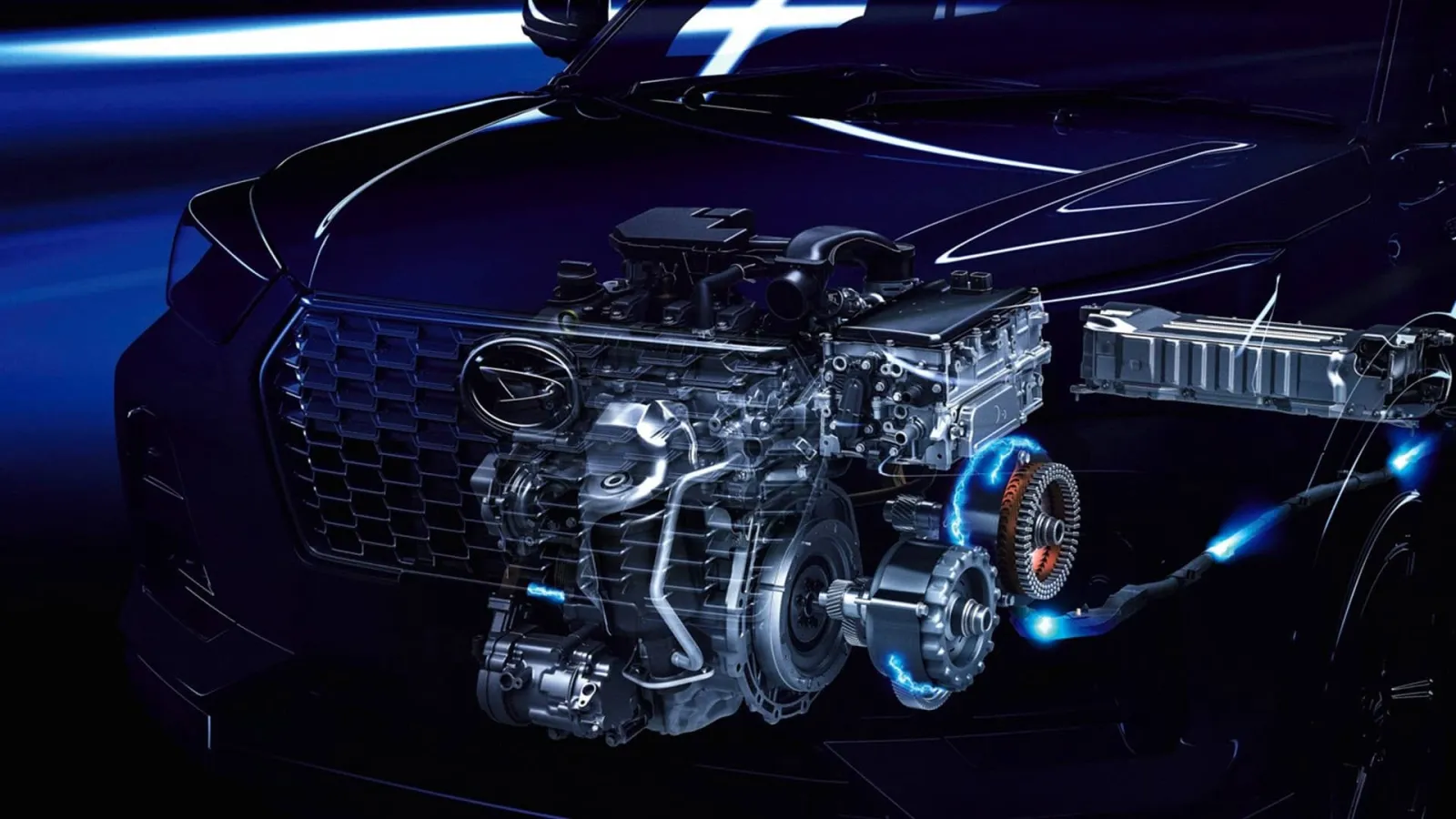
The customs Classification Committee examined the vehicles' technical design and found that their internal combustion engine is not mechanically connected to the wheels and cannot transmit torque to them under any operating condition. Automotive engineers and classification experts looked closely at the drivetrain architecture of these specific models before issuing the determination. Because the gasoline engine lacks any physical linkage to the axle, the vehicle relies entirely on alternative power delivery methods to move forward. This mechanical separation formed the foundational argument for grouping these machines with battery-powered units rather than standard internal combustion engine cars.
The engine works only as a generator, while the electric traction motor alone drives the wheels. Fuel burned inside the engine block serves exclusively to spin a generator that feeds electricity either directly to the traction motor or into an onboard battery pack. On that basis, the committee placed the cars under PCT 8703.8090, the heading for vehicles with only an electric motor for propulsion. This specific Pakistan Customs Tariff code carries different regulatory duties compared to conventional hybrids, aligning the tax treatment with modern zero-emission technology standards.
Precedent Set by Previous Range-Extended Models
The committee noted that the same principle was already set in Public Notice No. 02/2026 of February 2, 2026, which classified range-extended electric vehicles (REEVs) such as the Deepal S05 and Forthing Friday as electric vehicles. Regulatory consistency has been a central demand from automotive traders who invest heavily in importing niche technologies. By applying the logic from the earlier February ruling to series-hybrids, customs authorities have established a predictable standard for evaluating any drivetrain where fuel acts merely as an onboard charging source.
This administrative continuity helps prevent arbitrary reclassifications that previously disrupted commercial planning. Importers and customs agents now have a clear legal benchmark derived from the operational characteristics of the drivetrain. The broader application of Public Notice No. 02/2026 ensures that similar technological configurations receive identical treatment regardless of the country of origin or brand badge.
Indus Motor Company Appeal and Federal Board of Revenue Ruling
The ruling follows an appeal by Indus Motor Company, Toyota's local assembler, against Public Notice No. 02/2026 before the FBR's Member (Customs Policy). The domestic manufacturer had raised concerns regarding the fiscal implications of granting electric vehicle status to range-extended models that still consume liquid fuel. Local assemblers typically argue that tax concessions meant for battery-powered units should not apply to machinery carrying internal combustion generators.
The Federal Board of Revenue rejected the appeal and kept REEVs in the electric vehicle category. This high-level administrative decision solidifies the policy framework governing modern alternative fuel imports. With the apex tax authority upholding the classification, local manufacturers must adjust their long-term competitive strategies to account for the presence of these imported series-hybrids in the domestic marketplace.
Impact on Used Car Importers and Automotive Market Dynamics
The decision brings relief to used car importers, who had faced heavy penalties and clearance delays for vehicles such as the Toyota Raize and Nissan Note. Many small and medium-sized trading businesses had capital trapped at port terminals while awaiting final word from regulatory bodies. Resolving this bottleneck allows traders to release commercial inventory, settle bank financing obligations, and supply waiting retail buyers.
It also gives local assemblers clear rules on REEVs, which could make it easier for new players to launch such vehicles. Established domestic assemblers and new market entrants can now evaluate the feasibility of introducing similar drivetrain technologies to local assembly lines. Clear regulatory definitions reduce investment risk, paving the way for potential technology transfers and expanded consumer choices in the national automotive sector.