Islamabad Blue Area Digital Parking Plaza Opens
The Capital Development Authority and Metropolitan Corporation Islamabad have made a digital parking plaza in Blue Area fully operational, with capacity for more than 1,200 vehicles. The facility is intended to reduce congestion caused by vehicles parked along roads and in commercial areas.
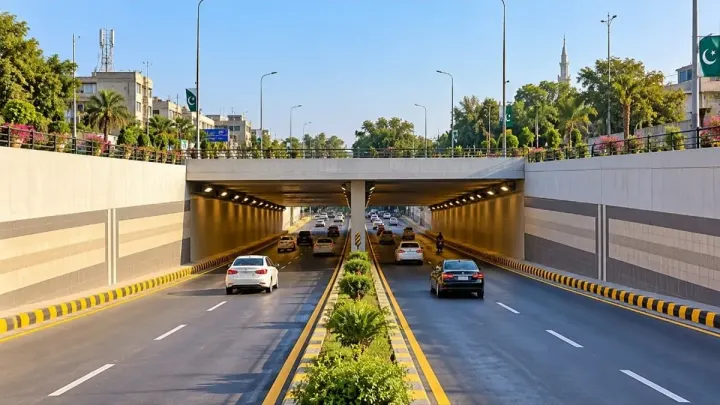
Urban centers across the region face severe vehicular crowding as commercial activity expands faster than civil infrastructure. Islamabad, planned decades ago, deals with rising vehicle registrations every year. Blue Area serves as the primary commercial spine of the capital, drawing thousands of commuters, shoppers, and business visitors daily. Municipal authorities struggle to balance open roadways with the massive demand for stationary vehicle space.
Street parking has long dominated the sector, spilling over onto main thoroughfares and slowing down traffic flow. The introduction of this multi-story facility marks a shift toward vertical and structured solutions. By removing hundreds of cars from open lanes, planners hope to restore normal transit speeds along the main commercial strip.
How the Blue Area Digital Parking Plaza Operates
The plaza will operate round the clock, seven days a week. Parking will be free for the first few days, after which motorists will pay Rs100 per car and Rs50 per motorcycle. The first 20 minutes will remain free, and charges will be collected when vehicles exit.
Continuous operations ensure that evening visitors, diners, and late-night workers have secure storage for their transport. The 20-minute grace period allows drivers to drop off passengers or conduct quick errands without incurring fees. The fee structure differentiates between four-wheelers and two-wheelers, making space accessible for various types of commuters.
Exit-point collection points prevent bottlenecks at the entry gates. Drivers pull in, receive identification, and settle accounts only when leaving the premises. This method keeps incoming queues short and maintains a steady circulation of vehicles inside the structure.
Digital Management and Cashless Payment Systems
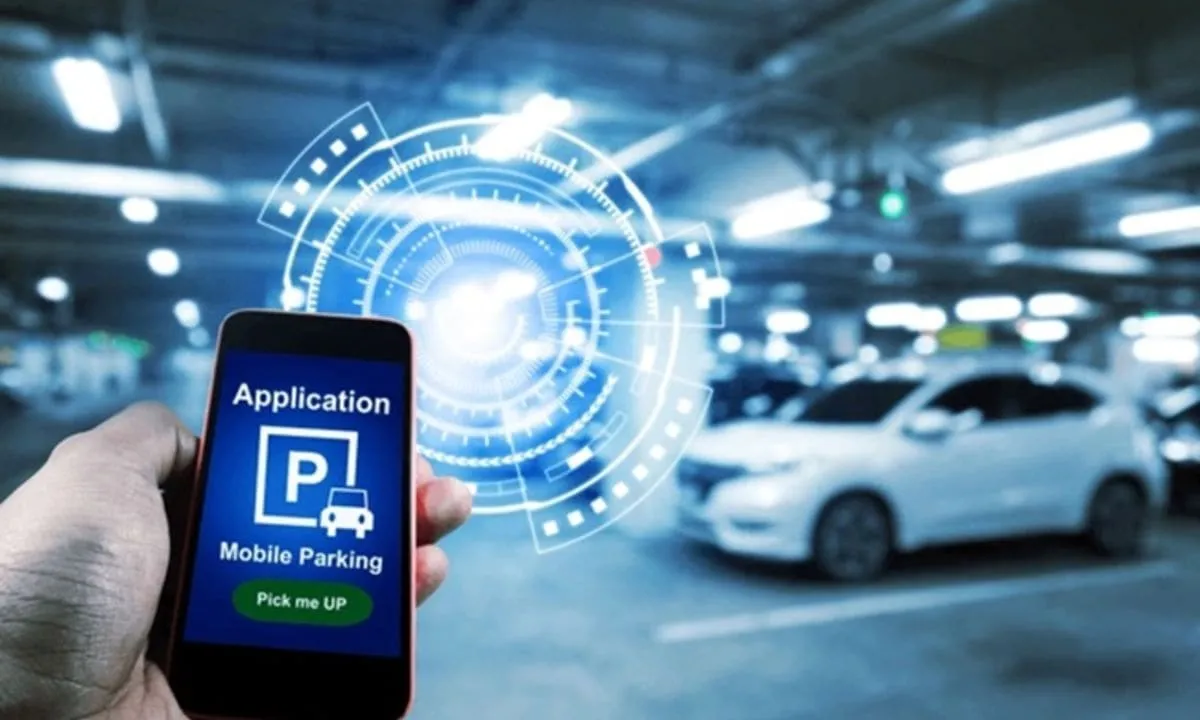
A digital management and monitoring system has been installed to regulate vehicle entry and exit and improve security. Motorists will receive digital receipts and can pay through cashless and online options.
Modern municipal infrastructure relies on automated data tracking to prevent revenue leakage and monitor occupancy rates. Cameras and sensors record license plates and vehicle types upon arrival. Digital receipts provide accountability for every transaction processed inside the building.
Cashless and online payment gateways reflect the broader shift in the country toward digital finance. Users can settle dues via mobile applications or digital cards, reducing the need for exact physical currency. Surveillance equipment monitors all floors, protecting parked property against theft or vandalism.
Addressing Commercial Pressure in Islamabad
The plaza is part of efforts to introduce organised parking in Blue Area, where a growing number of commercial establishments, visitors and private vehicles has increased pressure on existing infrastructure.
Over the past decade, high-rise office buildings and retail outlets have replaced older low-density structures in Blue Area. Each new building brings a higher density of workers and clients. Municipal rules require developers to provide internal parking, but older properties often lack sufficient bays, forcing visitors onto public streets.
Local authorities have tested various methods to curb illegal road blocking, including towing and ticketing. Structured facilities provide a permanent alternative rather than temporary punitive measures. Drivers now have a designated destination for their vehicles instead of circling blocks looking for open curbside spots.
Commercial Shops and Rooftop Restaurant Features
A restaurant will be set up on the rooftop, and the auction of several commercial shops in the plaza has been completed. The opening comes amid persistent complaints about haphazard parking, traffic congestion and a shortage of designated parking in Islamabad's major commercial areas.
Integrating retail and dining into a municipal parking garage transforms a purely utilitarian building into an active community space. Ground-floor shops generate steady foot traffic and rental income for the city corporation. The rooftop dining venue offers panoramic views of the capital and the nearby Margalla Hills, drawing patrons who might not otherwise visit the garage.
Citizens have voiced frustration for years regarding chaotic vehicle placement outside markets and offices. Double parking and blocked driveways routinely frustrate emergency responders and everyday drivers. City administrators expect the combination of commercial revenue and strict enforcement to gradually change driver habits.
Future Outlook and Enforcement Challenges
A CDA official said the plaza will provide some relief, but its effect on the wider parking problem will depend on enforcement against roadside parking and the development of similar facilities in other crowded sectors.
Building structures is only the first phase of urban traffic management. If curbside parking remains free and unrestricted, many motorists will continue to leave vehicles on the asphalt to avoid paying fees or walking a short distance. Consistent ticketing and towing along adjacent roads remain necessary to drive motorists inside the new plaza.
Similar hubs will need construction in other commercial districts such as Jinnah Super, F-6 Markaz, and G-9 Markaz. Municipal planners monitor utilization rates at this Blue Area site to determine the feasibility of future vertical projects across the federal capital.