Islamabad Traffic Police Imposes Strict Deadline for Smoke-Emitting Vehicles
Authorities in the capital have set a firm deadline to tackle environmental pollution and hazardous air conditions affecting the region. Islamabad Traffic Police has announced that vehicle owners will face severe financial penalties and legal consequences if they operate smoke-emitting vehicles after November 30, 2026. This directive forms part of a broader governmental strategy to control smog and improve overall air quality for residents.
The announcement follows a high-level meeting chaired by Minister of State for Interior Talal Chaudhry. During this session, officials finalized decisions aimed at curbing vehicular emissions, which contribute significantly to the degradation of urban air. As part of these new measures, authorities decided to ban vehicles without valid fitness and emissions testing certificates from entering Islamabad entirely.
Understanding the New Vehicle Emission Standards in Islamabad
Under the latest instructions issued by the administration, vehicle owners must ensure that their automobiles meet prescribed environmental standards. Those found violating these established rules risk facing heavy fines, direct legal action, and the impoundment of their vehicles by traffic authorities. The policy applies to all eligible transport operating within the jurisdiction of the capital.
To comply with the directive, Islamabad Traffic Police has advised motorists to have their vehicles tested at laboratories approved by the Environmental Protection Agency. These designated facilities verify whether an automobile meets required emission limits. Securing certification from an approved laboratory remains the only method for drivers to prove compliance and avoid punitive measures.
Government Action Against Smog and Air Pollution
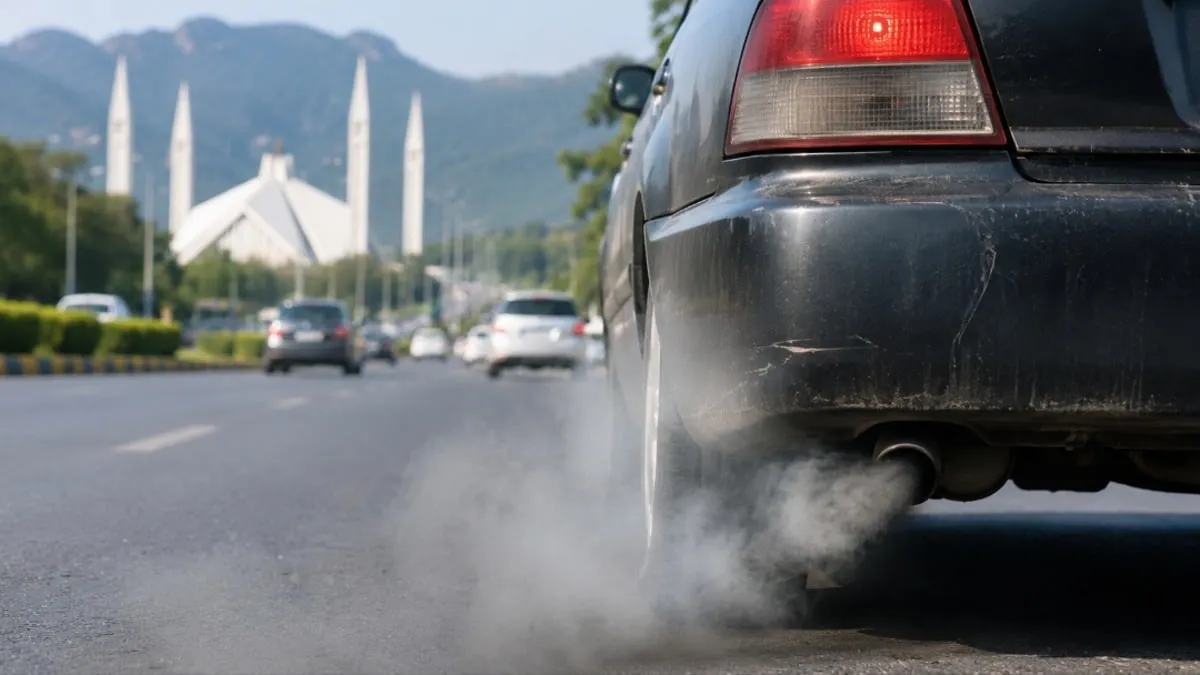
Air quality degradation and seasonal smog present major health and environmental challenges across the region. Vehicular exhaust remains a primary source of particulate matter and harmful gases that degrade urban atmospheres. By restricting entry to vehicles lacking valid clearance, the Ministry of Interior aims to reduce the volume of polluting transport on major roads.
Minister of State for Interior Talal Chaudhry directed administrative bodies to enforce these standards strictly without exception. Officials hope that targeted interventions against high-emission transport will yield measurable improvements in regional air quality statistics. The government continues to review environmental metrics as part of its ongoing public health initiatives.
What Vehicle Owners Must Do Before November 30, 2026
Car, truck, and bus owners using routes into and through the capital must take immediate steps to evaluate their vehicle performance. Mechanics can perform preliminary tune-ups to reduce exhaust smoke before official testing. Drivers should visit authorized testing facilities well in advance of the November 30, 2026 cutoff to manage potential scheduling delays at testing laboratories.
- Inspect vehicle exhaust systems for visible smoke or unusual emissions.
- Schedule an appointment at an Environmental Protection Agency approved testing laboratory.
- Obtain valid fitness and emissions testing certificates before traveling into Islamabad.
- Keep physical proof of certification inside the vehicle to present to traffic personnel if stopped.
Citizen Responsibility and Traffic Police Enforcement
The success of the new environmental mandate relies heavily on public participation alongside official enforcement. Islamabad Traffic Police urged citizens to cooperate with authorities and take personal responsibility for protecting the environment. Maintaining proper engine combustion and reducing exhaust output helps protect community health and reduces municipal smog levels.
Traffic personnel will deploy checking mechanisms across major entry points and thoroughfares to monitor compliance following the expiration of the grace period. Vehicles identified as excessive emitters during roadside observations face immediate ticketing, impoundment, and prosecution under prevailing environmental and traffic regulations.