Karachi Electronic Challan System Issues Nearly 2 Million Tickets
Karachi's electronic challan system issued nearly 1.95 million traffic violation tickets and generated more than Rs. 5 billion in fines during its first year of operation, with over Rs. 2 billion deposited into the national exchequer. This automated approach to traffic enforcement marks a major shift in how local authorities monitor and manage vehicles moving through the busiest urban corridors of the city. The implementation of modern digital surveillance aims to curb reckless driving and enforce road discipline without requiring constant manual intervention from on-duty officers.
Traffic police officials said the system issued 1.947 million challans during the period, while authorities waived approximately Rs. 3 billion in fines. These figures demonstrate both the high volume of detected infractions and the administrative review processes in place to handle contested or excused penalties. The scale of the operation reflects the vast number of daily commuters navigating the roads of Karachi.
Understanding the Traffic Regulation and Citation System
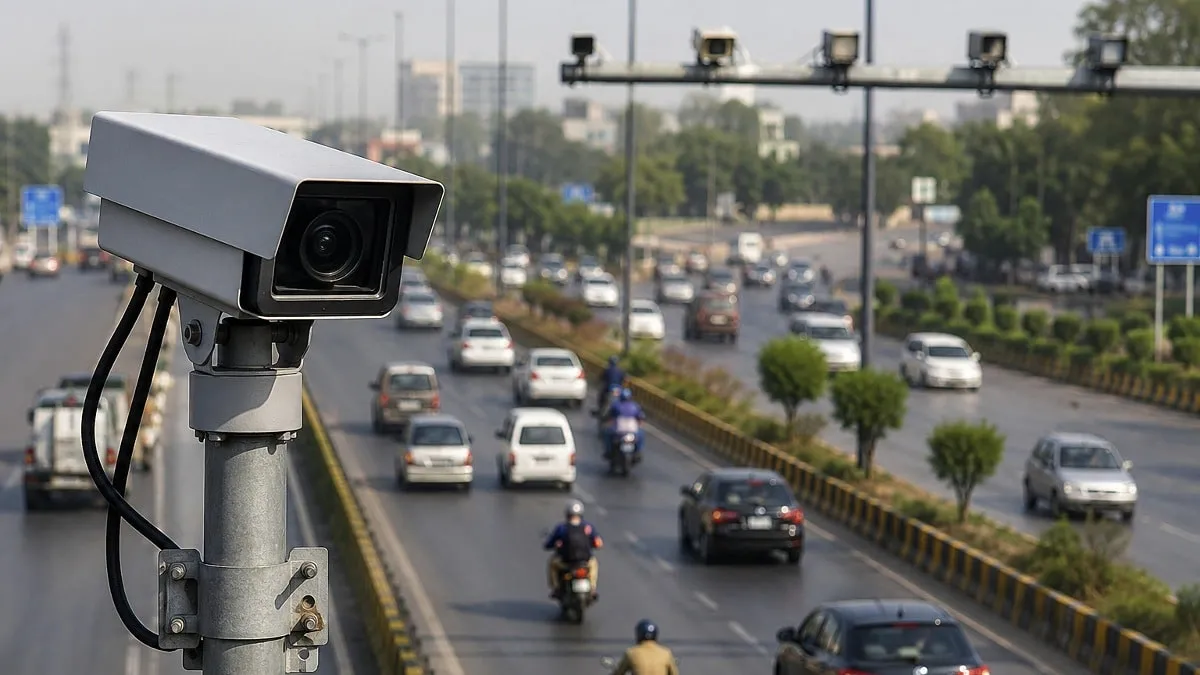
The digital enforcement mechanism relies on the Traffic Regulation and Citation System, commonly known as TRACS. Authorities also waived more than 330,000 challans issued through TRACS during this initial operational timeframe. This automated platform captures vehicle movements and identifies infractions such as speeding, running red lights, and unauthorized lane changes using camera networks installed at major intersections.
Traffic police chief Pir Muhammad Shah said TRACS serves as a deterrent against traffic violations and helps improve road safety rather than simply generating revenue. Officials emphasize that the primary objective of the automated ticketing framework is changing driver behavior over the long term. By ensuring consistent oversight, the department seeks to foster a culture of compliance among motorists across the metropolitan area.
Impact on Road Fatalities and Heavy Transport Safety
Beyond financial metrics and ticket counts, law enforcement agencies track safety outcomes to measure the effectiveness of the digital rollout. He said overall road fatalities in Karachi had declined by more than 15 percent since the system's introduction. This reduction points to safer conditions for everyday commuters, pedestrians, and public transport users alike.
Deaths involving heavy transport vehicles had also fallen by approximately 45 percent compared with the corresponding pre-TRACS period. Heavy trucks and buses have historically contributed disproportionately to severe accidents on the highways and arterial roads of the city. The sharp drop in fatalities linked to these large vehicles indicates that automated monitoring successfully targets some of the most dangerous driving practices on local routes.
Financial Breakdown and Revenue Collection
The financial data associated with the first year of the digital challan rollout reveals significant sums moving through public accounts. While the total value of issued fines crossed Rs. 5 billion, authorities collected and deposited more than Rs. 2 billion into the national exchequer. The discrepancy between total fines and deposited funds accounts for the substantial amount of penalties that were officially waived.
The first-year figures highlight the scale of traffic enforcement in Karachi and the financial impact of the electronic challan system. Citizens receiving these digital notices must navigate payment procedures or apply for reviews through designated official channels. As the system matures, traffic management officials continue to evaluate its performance and adjust administrative workflows to handle dispute resolutions efficiently.