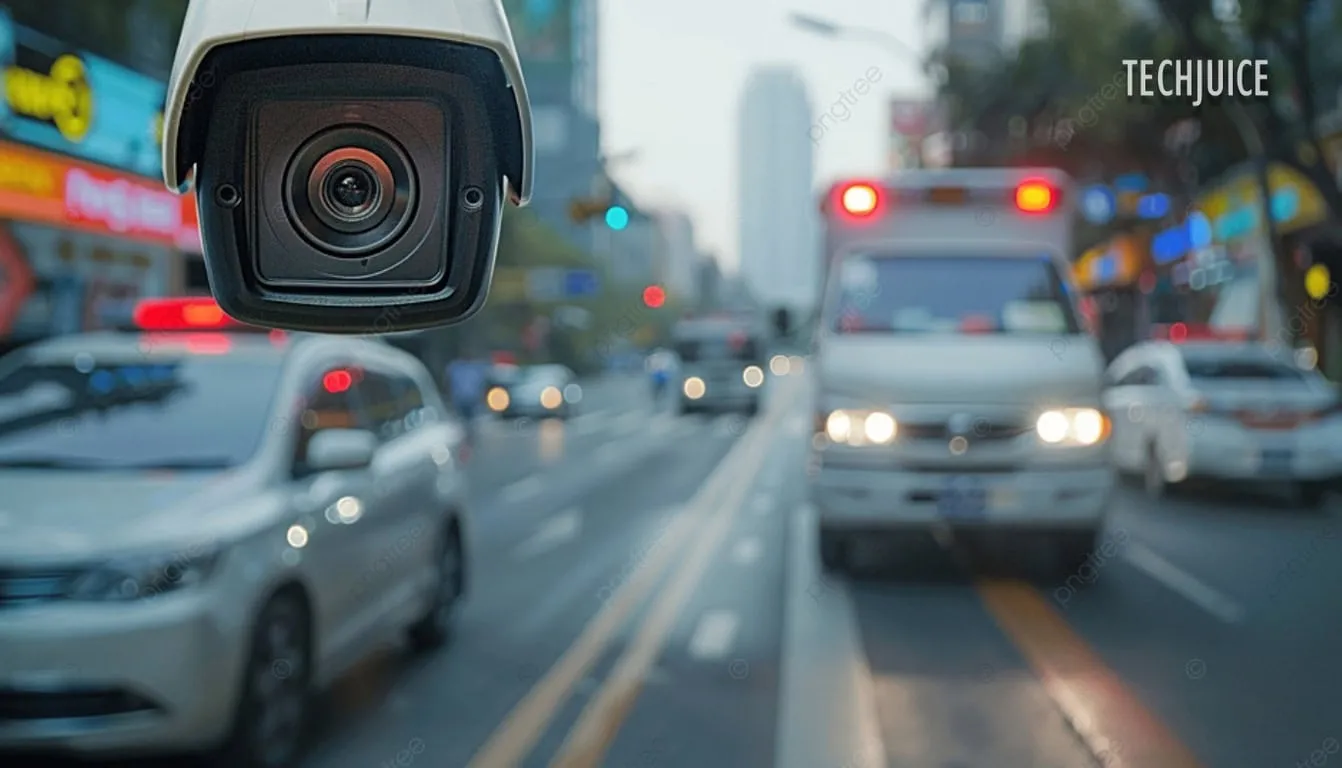
Karachi E-Challans Cross 1.94 Million in First Year of Digital System
Traffic police in Karachi have issued more than 1.947 million e-challans since the digital ticketing system was introduced a year ago, with fines exceeding Rs5 billion, officials said.
Of the total, motorists paid over Rs2 billion into the national exchequer, while challans worth Rs3 billion were waived. More than 330,000 challans were waived through the e-challan system, known as TRACS.
Understanding the TRACS Digital Ticketing System in Karachi
The implementation of automated traffic enforcement represents a major shift in how municipal authorities manage urban mobility and enforce road regulations. Traditional policing methods relied heavily on manual stops by officers stationed at busy intersections, which often created localized traffic congestion and limited the volume of violations authorities could process daily. Automated cameras and monitoring equipment now capture infractions continuously, bringing a new level of systematic oversight to the streets of Karachi.
The system, officially designated as TRACS, processes high-resolution imagery and video feeds to identify traffic violations without requiring immediate physical intervention by police personnel. Captured data streams directly to a centralized processing facility where algorithms and human reviewers verify license plates and vehicle details against official registration databases. Registered owners then receive notification of the infraction along with photographic evidence of the violation.
Urban planners note that automated enforcement systems help modify driver behavior over time by increasing the perceived certainty of punishment for traffic violations. Motorists quickly learn that intersections and major corridors are under constant electronic surveillance, prompting greater adherence to road signs, speed limits, and safety equipment mandates. The financial scale of the first year, with fines exceeding Rs5 billion, demonstrates the sheer volume of infractions occurring daily across the sprawling metropolitan area.
Breakdown of Most Common Traffic Violations Recorded
Data compiled by traffic authorities reveals distinct patterns in driver behavior and the specific types of infractions captured by the electronic network. Riding a motorcycle without a helmet was the most common violation recorded by the cameras, with over 814,000 challans. Not wearing a seatbelt followed, with over 715,000.
Beyond basic safety gear compliance, monitoring equipment tracked numerous moving violations that threaten road safety across busy corridors. Police also recorded 65,255 challans for speeding, 36,474 for using a mobile phone while driving, and 34,652 for driving or riding in the wrong direction.
Wrong-way driving poses severe safety hazards on major roads and expressways, often leading to high-speed collisions. Similarly, mobile phone usage behind the wheel significantly increases reaction times and distracts operators from changing traffic conditions. The high number of recorded violations in these categories highlights ongoing challenges in driver compliance and the necessity of continuous electronic monitoring.
Vehicle Documentation and Registration Infractions
In addition to active driving behaviors, the surveillance network monitors statutory requirements concerning vehicle legality, registration status, and physical modifications. Vehicle documentation and registration violations also featured prominently. Police issued 54,443 challans for missing fitness certificates and 18,519 for expired ones.
Fitness certificates are mandatory for commercial and transport vehicles to ensure they meet basic mechanical and environmental standards before operating on public roads. Expired or missing certificates indicate a lack of routine maintenance, which contributes to vehicular breakdowns and increased air pollution levels in the city.
Enforcement efforts also targeted attempts to obscure vehicle identity or bypass security measures. Over 11,000 vehicles were fined for fancy number plates, 5,401 for concealed number plates, and 3,156 for not having trackers installed. Fancy and concealed plates complicate identification efforts by both law enforcement and automated cameras, making compliance checks vital for maintaining public security.
Parking, Road Use, and Minor Traffic Breaches
Urban congestion is heavily influenced by improper parking and disregard for lane discipline, prompting the system to target stationary and flow-related infractions. Parking and road-use offences accounted for a further share of the total recorded penalties.
No-parking violations led with 78,377 e-challans, followed by 20,505 for obstructing traffic flow and 7,516 for breaching stop lines, designated lanes or zebra crossings.
Unauthorized parking along major thoroughfares reduces available lane capacity, forcing moving traffic to merge abruptly and slowing down overall transit speeds. Obstruction offences further compound these delays during peak commuting hours. Police issued 7,975 challans for traffic signal violations, 5,136 for tinted or black window glass, and 2,301 for lane discipline violations.
Financial Impact and Revenue Collection Outcomes
The financial ledger of the first year of operation reflects both substantial revenue generation and considerable administrative adjustments through waivers. Of the total fines exceeding Rs5 billion, motorists paid over Rs2 billion into the national exchequer, while challans worth Rs3 billion were waived.
More than 330,000 challans were waived through the e-challan system, known as TRACS. Waivers are typically granted during review processes where vehicle owners can demonstrate legitimate administrative errors, duplicate entries, or situations where stolen vehicles or transferred ownership documents caused discrepancies in the registry.
The collection of over Rs2 billion provides municipal authorities with dedicated funds that can be reinvested into transportation infrastructure, road repairs, and the expansion of the digital surveillance network. As motorists adapt to the permanent presence of electronic enforcement, the long-term goal remains improved road safety and reduced accident rates across Karachi.