Khyber Pakhtunkhwa Launches Green Rickshaw Scheme With 50 Percent Subsidy
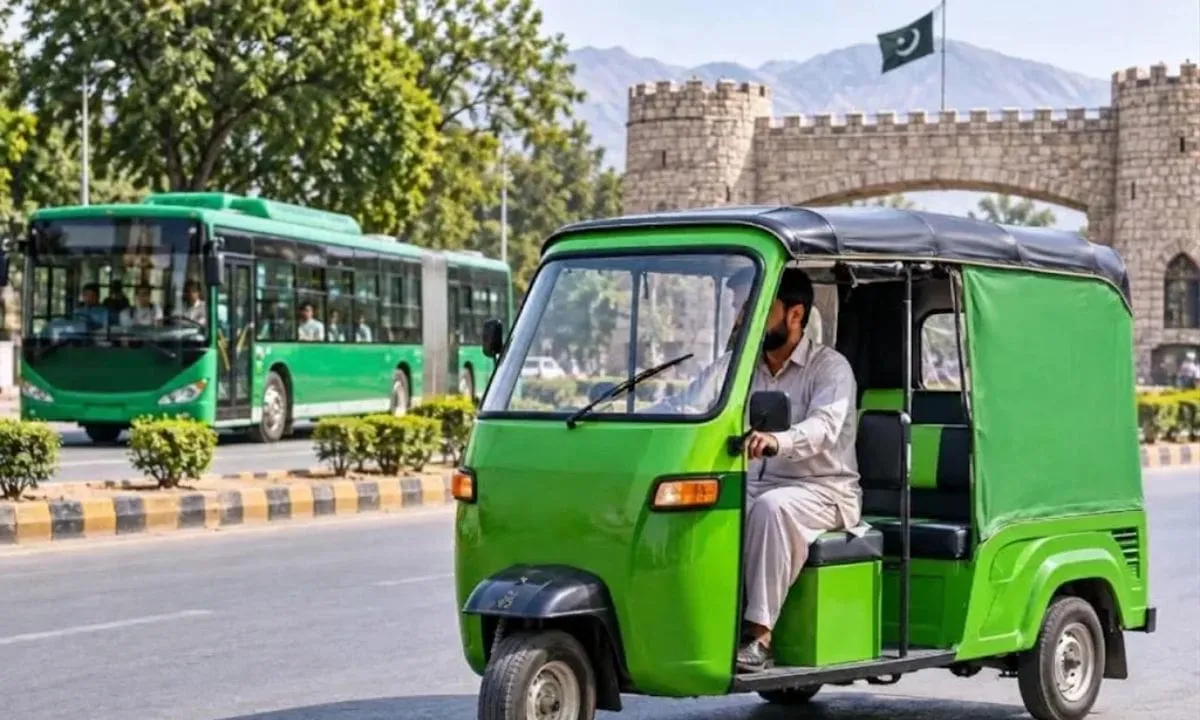
The provincial government of Khyber Pakhtunkhwa is set to provide rickshaws to eligible individuals under a new Green Rickshaw Scheme, featuring a 50 percent government subsidy and the remaining cost payable in instalments over four years. This public transport initiative intends to tackle twin challenges of job scarcity and urban pollution by introducing cleaner vehicles to local streets. As cities across the region expand, administrative bodies face mounting pressure to balance economic support for ordinary residents with environmental protection goals.
Advisor to the Governor for Transport, Local Government, Communications and Works, Housing, Agriculture and Livestock, Asif Rafiq, announced the initiative while chairing a Transport Department meeting in Peshawar on Wednesday. He stated that the scheme aims to create employment opportunities for ordinary citizens and promote environmentally friendly transportation across the province. Local authorities have spent recent months evaluating different transport models before settling on this subsidized vehicle distribution framework.
Understanding the Khyber Pakhtunkhwa Green Rickshaw Scheme
The core mechanism of the Green Rickshaw Scheme relies on lowering financial barriers for citizens who want to earn a living through commercial driving. By covering half the expense of each vehicle directly, the provincial administration makes ownership achievable for applicants who might otherwise struggle to secure commercial loans. The four-year repayment window for the remaining balance gives beneficiaries adequate time to generate steady daily earnings without falling into immediate debt.
Transport sector analysts note that traditional motorized three-wheelers often contribute disproportionately to urban air pollution due to older engine technologies. Introducing modern, cleaner units through this targeted subsidy helps modernize the overall fleet operating on provincial roadways. Citizens selected for the program will receive guidance on vehicle maintenance and operational compliance to ensure long-term viability for their micro-enterprises.
Financial Targets for the Peshawar Mass Transit Bus Service
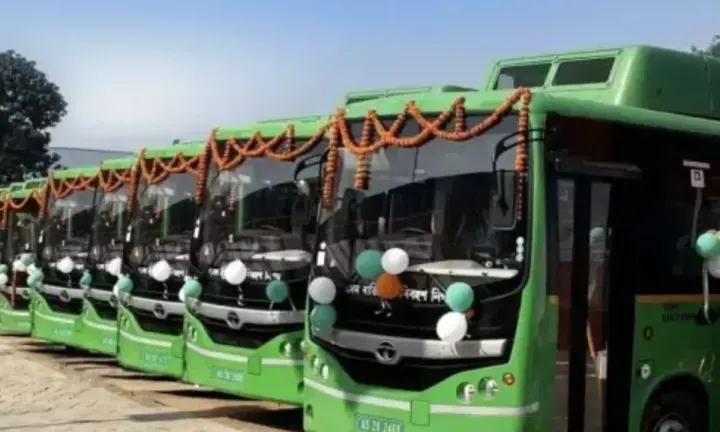
Beyond the rickshaw initiative, the recent high-level transport meeting in Peshawar addressed the fiscal health of existing public transit infrastructure. Rafiq directed the Peshawar Mass Transit Bus Service to adopt an effective strategy to reduce its administrative and operational expenses and increase revenue. Large public transit networks require substantial ongoing maintenance and operational budgets, making cost-efficiency an urgent priority for regional planners.
During the discussions, the advisor asked the service to set an annual revenue target of Rs2 billion and prepare a practical plan to achieve it. Public institutions in the region face strict mandates to optimize their resource allocation and reduce reliance on treasury bailouts. Achieving this ambitious income target will require tighter ticket collection protocols, optimized route scheduling, and better management of non-fare revenue streams such as station advertising.
Broader Reforms in the Provincial Transport Sector
Financial self-reliance and improved performance of public sector institutions are key government priorities, and all relevant institutions must use resources effectively, cut expenditures and develop new revenue sources. The provincial administration is currently auditing various transport bodies to identify inefficiencies and streamline bureaucratic procedures. Officials believe that tightening internal controls will free up capital for future infrastructure upgrades.
The advisor also instructed Transport Department officials to take practical measures to eliminate corruption, promote transparency and improve public facilities. Transparency initiatives within licensing and vehicle registration offices are intended to rebuild public trust and ensure that permits reach deserving candidates without unnecessary delays. Citizens frequently report frustration with bureaucratic red tape, making administrative reform a central theme of current departmental goals.
Tackling Traffic Congestion and Urban Mobility in Peshawar
Urban mobility remains a persistent challenge in the provincial capital, where vehicle numbers have surged over the past decade. Rafiq called for an effective traffic management plan to address congestion and rush-hour problems in Peshawar. Bottlenecks around commercial hubs and educational zones waste significant amounts of fuel and cause daily delays for commuters.
Traffic police and municipal planners are tasked with redesigning bottleneck intersections, enforcing parking restrictions, and deploying wardens to manage peak-hour flows. Improved public transport options, such as the subsidized rickshaws and the bus service, form part of this broader strategy to reduce private car and motorcycle dependence. Coordinating these measures requires cooperation between multiple municipal agencies and transport unions.
Modernizing Public Transportation for Future Needs
Modernizing the transportation system, making it transparent and environmentally friendly, and aligning it with public needs is a pressing requirement. As urban populations grow, legacy transit networks can no longer keep pace with daily travel demands. Provincial authorities stress that long-term planning must incorporate technological upgrades, such as digital tracking and automated fare collection, across all transit modes.
Rafiq stressed that all relevant institutions must fulfil their responsibilities through a coordinated strategy. Implementation timelines for the rickshaw distribution will be announced by the Transport Department following the finalization of eligibility criteria. Stakeholders across the transport sector are watching these developments closely to see how effectively the administration balances financial discipline with social welfare objectives.