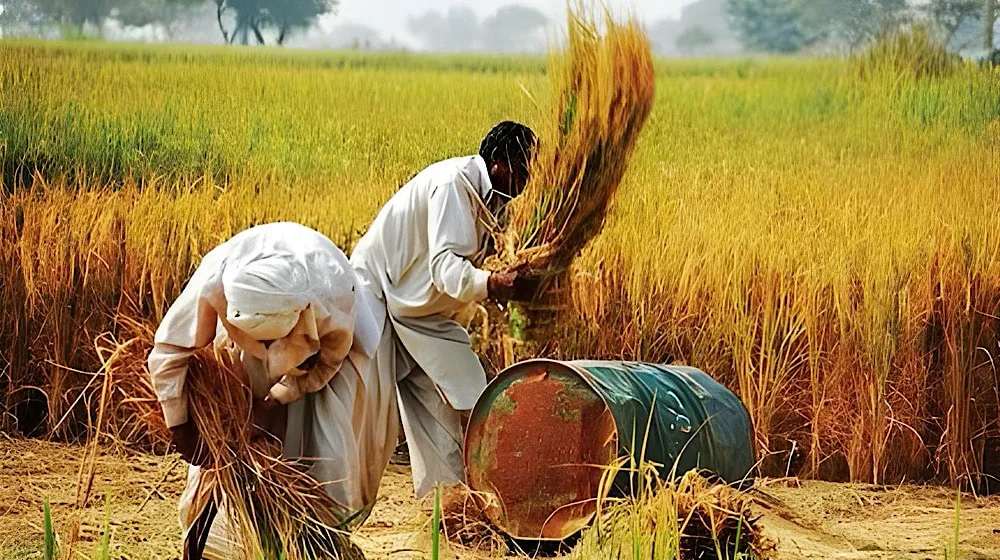
Pakistan Kissan Ittehad President Khalid Mahmood Khokhar called on the federal administration during a press briefing to announce an agricultural emergency and set up a proper system for wheat purchasing and sales. Setting the wheat rate at a workable amount would rescue the farming sector and boost the national economy, he stated.
Khokhar expressed support for the suggested wheat rate of Rs4,500 per 40kg, mentioning that producers faced financial setbacks in wheat farming over the last three years while the new figure offered some optimism. Setting a fair support rate reflecting actual production costs would also help cultivators of sugarcane, potatoes, rice and peas, he explained.
The prime minister deserves thanks for weighing a fair wheat rate that helps producers and supports the economy, according to Khokhar. He cautioned that droughts, floods, shifting rainfall trends and climate shifts threaten world agriculture and could limit wheat supplies globally next year.
To protect food security, the administration must build strategic wheat reserves and buy directly from growers, he stated. He also asked the Punjab chief minister to set up a transparent sales system to shield producers from unstable markets.
Lower usage of farming inputs shows growers are struggling financially, with DAP fertiliser consumption dropping from 2.3 million tonnes to 1.2 million tonnes in Pakistan, Khokhar pointed out. Producers who disposed of wheat near Rs3,500 per 40kg now see rates above Rs5,000, which demonstrates the necessity for clear pricing policies, he added.
While farming receives subsidies globally, Pakistan struggles despite being an agrarian nation and brings in edible oil, wheat, cotton and pulses from abroad, Khokhar noted. Pakistan spends only 0.18 percent of its relevant budget on agricultural research, contrasted with 1.16 percent in Brazil, he stated.
Cotton production dropped from under 14 million bales to roughly five million bales while output in India climbed to about 50 million bales, raising serious worry, he mentioned. Khokhar asked the authorities to name 2026-27 the Year of Agriculture and implement joint steps to support producers, raise output and lower reliance on foreign farm goods.