Lahore Railway Station Historical Restoration Project Launched
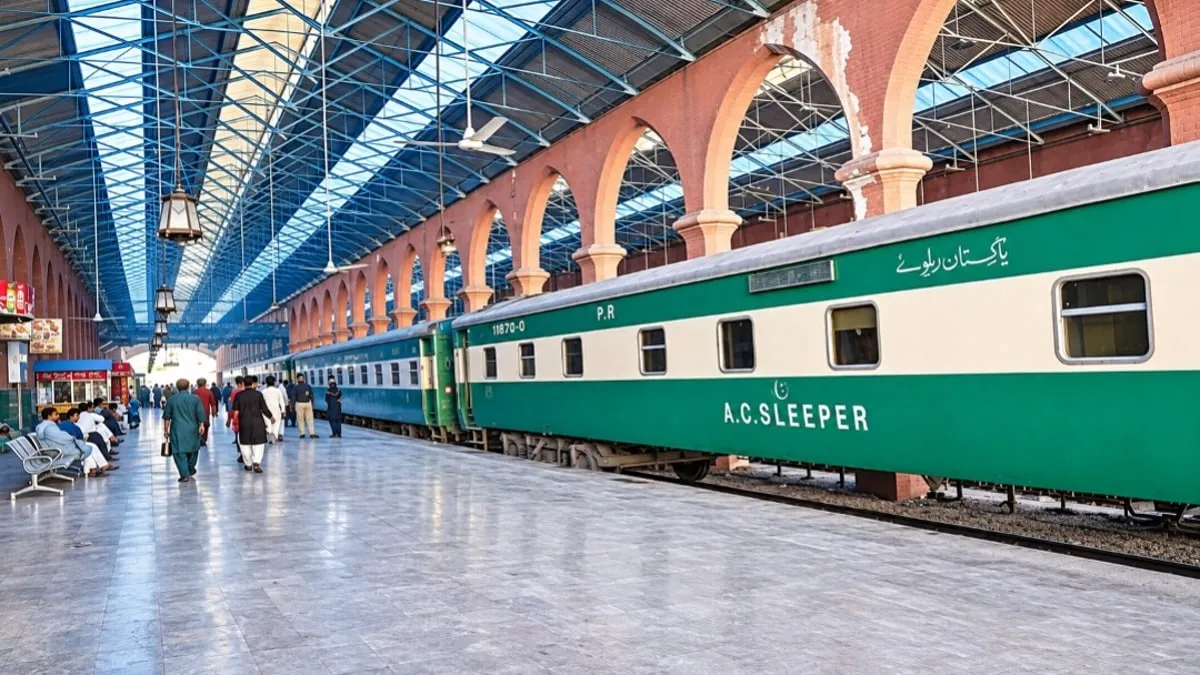
Pakistan Railways has launched efforts to restore Lahore Railway Station to its original historical appearance in collaboration with the Punjab Archaeology Department. The initiative brings together transport authorities and heritage experts to protect a vital architectural landmark from decades of wear and tear, ensuring that its rich past is preserved for future generations.
Divisional Superintendent Pakistan Railways Lahore Division Inamullah and Chief Architect of the Punjab Archaeology Department Saniya Afzal visited the station to discuss the restoration plans. During the visit, the two officials walked through the sprawling facility, examining structural elements and discussing how to execute the renovation without damaging the historic fabric of the building.
Focus on Platforms 2, 4 and 5
The officials reviewed proposed work on platforms 2, 4 and 5, focusing on preserving their original architectural features and historical designs. These specific platforms hold significant structural value within the wider station complex, featuring heritage elements that require specialized conservation techniques rather than standard modern construction methods.
They also discussed renovation and beautification plans to improve the station's overall appearance while following archaeological preservation principles. The goal is to balance modern passenger convenience with strict adherence to heritage guidelines, ensuring the site retains its antique aesthetic character.
Official Coordination and Next Steps
Inamullah assured the Archaeology Department of Pakistan Railways' full cooperation and directed officials to maintain close coordination throughout the project to protect the station's heritage. Regular joint meetings between railway engineers and archaeological specialists will form the backbone of the execution phase.
Senior railway officials, including Deputy Divisional Superintendent Infrastructure Qazi Jawad Ahmed, Divisional Electrical Engineer M. Nasir, Divisional Executive Engineer Farhat Abbas Fakhri and Divisional Signal and Telecom Engineer Nadeem Iqbal Khattak, also attended the visit. Their presence underlines the multi-departmental approach required to handle infrastructure, electrical, and telecommunications upgrades while preserving history.
History and Significance of Lahore Railway Station
Built during the British colonial era in the second half of the nineteenth century, Lahore Railway Station serves as a central hub for the country's rail network. Designed with fortified elements, high ceilings, and distinct brickwork, the structure resembles a medieval castle as much as a transport terminal, reflecting the architectural trends of its founding period.
Over the decades, rising passenger numbers and necessary modern upgrades led to various alterations, some of which obscured the original design. The current partnership with the Punjab Archaeology Department marks a formal effort to reverse piecemeal modifications and return specific zones to their initial visual state.
Understanding Archaeological Preservation Principles
Archaeological preservation involves protecting historic structures by using materials and methods that match the original construction era as closely as possible. When restoring a nineteenth-century transport hub, experts must source matching bricks, traditional mortar mixes, and authentic paint pigments to avoid compromising the structural integrity.
The involvement of Chief Architect Saniya Afzal ensures that every phase of the platform renovation adheres to recognized standards of heritage conservation. Rather than demolishing aging structures, the project relies on careful repair, cleaning, and structural reinforcement.
Impact on Daily Commuters and Operations
Lahore Railway Station handles thousands of passengers daily, connecting Punjab's capital with major cities across the country. Managing a restoration project inside a functioning, high-traffic transport terminal requires careful logistical planning to avoid disrupting train schedules and passenger movement.
While platforms 2, 4 and 5 undergo specialized work, railway authorities must coordinate with operations teams to redirect commuters safely. The ultimate improvements aim to provide a cleaner, more visually pleasing environment for travelers while celebrating the city's rich transportation heritage.