Pakistan Refineries Face Negative Margins as Petrol Prices Fall
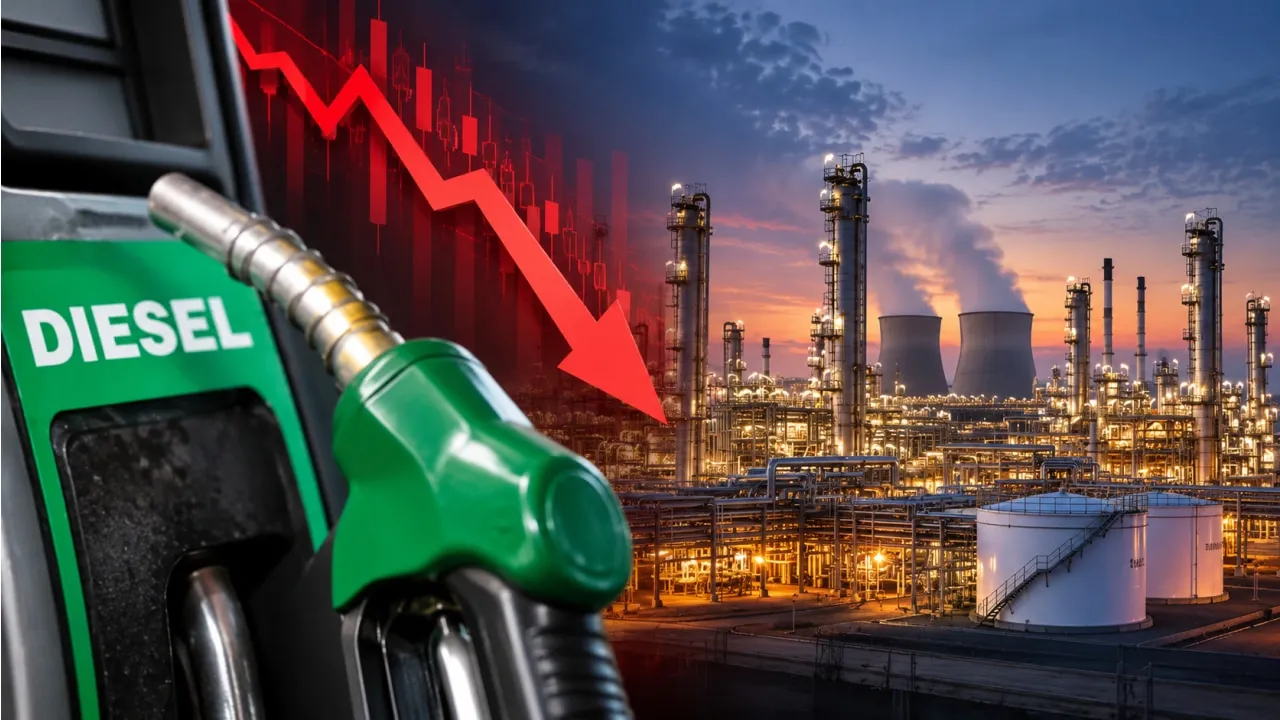
Pakistan's domestic oil refining sector is confronting an unusual financial hurdle as international petrol prices have dropped below the cost of crude oil. This shift has driven refinery margins into negative territory for the first time in recent history, adding severe pressure to an already struggling industry.
According to data from Topline Research, petrol refining margins fell to negative $1 per barrel on a seven day rolling average basis as of November 6. International petrol prices stood at $105.90 per barrel, while Dubai crude oil was priced higher at $106.90 per barrel. On November 5 alone, the daily margin dropped further to negative $5 per barrel.
Understanding Petrol Prices Falling Below Crude Oil
The unusual market trend is clearly visible in international price data compiled by the Oil and Gas Regulatory Authority and Topline Research. Market charts indicate that petrol and Dubai crude prices moved relatively closely during most of October before experiencing sharp declines toward the end of the month. By November 5, petrol prices had fallen below crude oil prices, pushing refining margins directly into negative territory.
Refining margins, commonly known in the energy sector as cracks, represent the financial difference between the market price of finished petroleum products and the raw cost of the crude oil used to manufacture them. Normally, processing crude oil into usable fuels incurs operational costs, and refiners rely on positive margins to cover expenses and generate returns. When finished petrol sells for less than the raw crude oil required to produce it, refiners face immediate pressure on the profitability of their petrol production lines.
The Role of the Rs. 49 Per Liter Levy
This market downturn arrives as domestic refineries in Pakistan are already managing intense financial strain from a recently imposed Rs. 49 per liter levy on petrol. The combination of negative international petrol margins and this heavy additional domestic levy creates a severe squeeze on overall refinery profitability across the country.
The petroleum levy is a tool used by the government to manage revenue collection through retail fuel sales. However, when paired with adverse global pricing trends, domestic pricing structures can complicate operations for local refining entities that must purchase expensive crude feedstock while navigating rigid local pricing caps and tax obligations.
Broader Context of Pakistan Energy Sector Challenges
Pakistan depends heavily on imported crude oil and refined petroleum products to meet its domestic energy demands. The country operates several major refineries that process imported crude to supply petrol, high-speed diesel, and furnace oil to the local market. Fluctuations in global commodity markets directly impact the fiscal health of these industrial facilities, which often require long-term capital investments for upgrades and maintenance.
In recent years, the energy sector in Pakistan has dealt with currency depreciation, high inflation, and circular debt issues affecting power generation and fuel supply chains. Refining margins fluctuate based on global supply and demand dynamics, geopolitical events, and seasonal consumption patterns. A sudden inversion where feedstock costs exceed product prices is a rare stress event that disrupts standard financial projections for industrial refiners.
Impact on Domestic Businesses and Economic Stability
The downward movement in refining margins affects local corporate earnings and operational continuity within the energy sector. Refineries must evaluate their production runs carefully when margins turn negative, as processing crude oil under such conditions leads to direct financial losses on specific product slates.
While consumers often welcome lower fuel prices at retail pumps, sustained distress among domestic refiners can impact national fuel security and refining capacity utilization. If local refineries scale back production due to extended unprofitability, the country may need to rely more heavily on imported refined products, which can strain foreign exchange reserves.
What Lies Ahead for Pakistan Refineries
Industry stakeholders and market analysts will closely monitor international crude and petrol benchmarks to see if the negative margin trend persists or reverses. Future developments depend on global demand recovery, OPEC production policies, and potential adjustments to domestic tax and levy structures by regulatory authorities.
Refining companies and government planners must navigate these volatile conditions to ensure the long-term viability of domestic processing facilities. Observers will watch upcoming weekly price updates from regulatory bodies and financial analysts to gauge the recovery timeline for local refining cracks.