More than 735,000 citizens in Lahore have failed to pay their digital traffic challans, prompting authorities to introduce stricter measures to recover outstanding fines. The proposed measures include blocking vehicle ownership transfers until all pending e-challans are cleared.
Why Lahore Is Targeting Unpaid E-Challans
The city's traffic management system shifted to an electronic challan (e-challan) platform in 2021, aiming to reduce paperwork, speed up enforcement and improve revenue collection. While the system has increased the number of violations recorded, it has also revealed a large backlog of unpaid fines. The figure of 735,000 unpaid e-challans represents roughly 12% of all registered vehicles in the Punjab capital, according to data released by the Traffic Police.
Who Decided the New Restriction
Chief Traffic Officer Lahore Syed Abdul Raheem Shirazi and Senior Civil Judge Criminal Division Muhammad Jamil Bhatti met on Monday to discuss recovery of unpaid fines and possible legal action against defaulters. During the meeting, they agreed to ask the Excise Department to restrict vehicle ownership transfers for citizens with outstanding digital challans. The decision was taken after reviewing recent court statistics that show a surge in summons issued for unpaid traffic fines.
How the Process Works Today
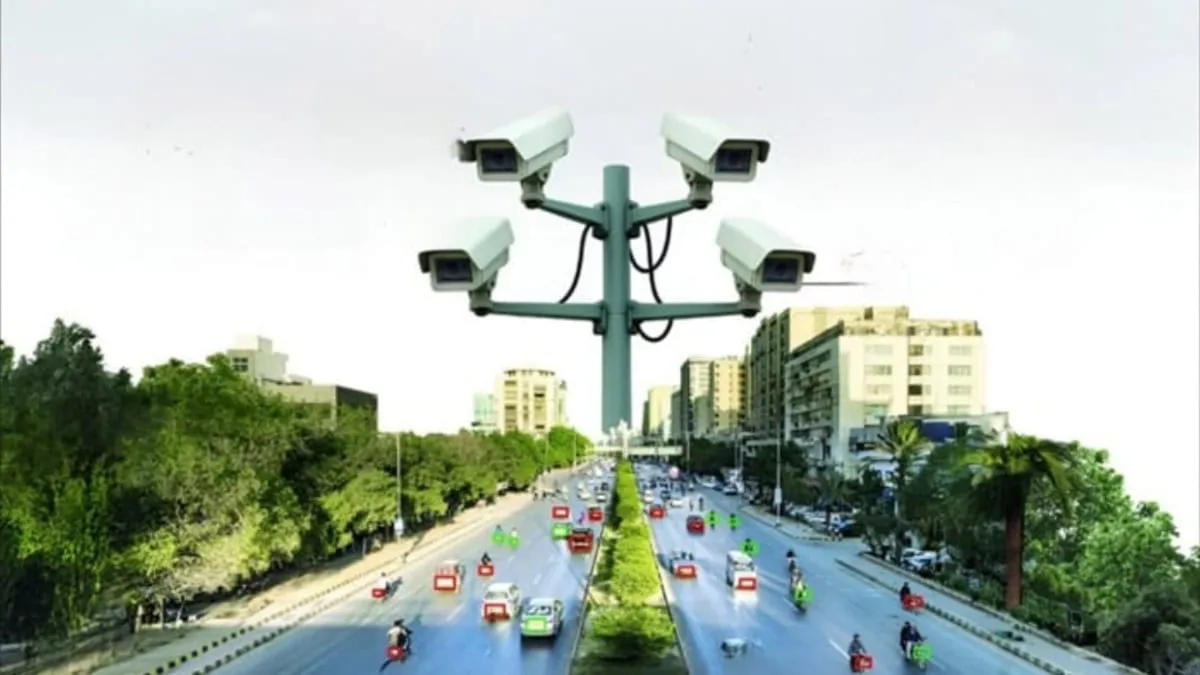
Under the current procedure, an e-challan is generated automatically when a traffic violation is captured by cameras or by police officers using handheld devices. The fine amount is posted on the traffic department's online portal, and the vehicle owner receives an SMS notification with a link to pay. If the fine remains unpaid for 10 days, the traffic office forwards the case to the relevant civil court.
Once the case reaches the court, a summons is issued to the defaulter's residential address. The summons requires the individual to appear before the court or to pay the fine within a specified period, usually 30 days. Failure to comply can result in additional penalties, including a possible seizure of the vehicle.
Recent Court Activity
According to the CTO, unpaid e-challans are forwarded to the relevant court after 10 days, which then issues summons to defaulters at their residential addresses. During the past week, courts issued 8,560 summons to people with unpaid fines. The volume of summons reflects both the high number of defaulters and the courts' increasing willingness to act on traffic violations.
What the Restriction Means for Vehicle Owners
If the Excise Department implements the proposed restriction, any vehicle whose owner has an unpaid e-challan will be flagged in the Excise's database. When the owner attempts to transfer ownership, whether selling the vehicle, gifting it to a family member, or registering a new owner, the transaction will be halted until the outstanding fine is settled.
This measure targets the financial incentive many owners have to delay payment. In the past, some drivers have transferred a vehicle to a relative to avoid the fine, only to pay it later after the new owner faced enforcement action. By tying the transfer process directly to fine clearance, authorities hope to close this loophole.
Potential Impact on Different Stakeholders
Drivers and vehicle owners: The restriction will affect anyone with an unpaid e-challan, regardless of the fine's size. Small-ticket defaulters could find themselves unable to sell a car they no longer use, creating a financial burden.
Dealerships and used-car markets: Dealerships that rely on quick title transfers may see a slowdown in sales of used vehicles, especially older models that tend to have higher rates of unpaid fines.
Excise Department: The department will need to integrate traffic-fine data into its existing vehicle-registration system, requiring technical upgrades and staff training.
Court system: With more summons already being issued, courts may experience a modest rise in case filings related to traffic fines, potentially increasing workload for civil judges.
Legal Framework Behind the Move
The proposed restriction draws on existing traffic-violation laws in Punjab, which empower traffic authorities to refer unpaid fines to civil courts. The Motor Vehicles Ordinance of 1965, as amended in 2020, gives the Excise Department authority to withhold registration certificates for vehicles linked to legal disputes, including unpaid traffic fines. By invoking this provision, the city can legally block transfers without needing new legislation.
Steps Citizens Can Take Now
- Log into the Lahore Traffic Police e-challan portal using the vehicle registration number.
- Review any outstanding fines and note the exact amount due.
- Pay the fine online via credit/debit card, bank transfer, or mobile wallet. A receipt will be generated instantly.
- If a summons has already been issued, appear in court on the scheduled date or file a written response to avoid additional penalties.
- Keep the payment confirmation handy when requesting a vehicle-ownership transfer.
What Comes Next
The Excise Department is expected to issue a formal circular within the next two weeks, outlining the technical steps for flagging vehicles with unpaid e-challans. After the circular is released, a grace period of 15 days will allow owners to clear fines before the restriction becomes active. The traffic authorities have warned that failure to comply after the grace period will result in automatic blocking of any ownership-transfer request.
Stakeholders are advised to monitor announcements from the Lahore Traffic Police and the Excise Department for exact dates and procedural details. The policy's effectiveness will likely be reviewed after six months, with the possibility of adjusting the fine-collection process based on compliance rates.
In the meantime, officials continue to urge citizens to settle their e-challans promptly to avoid legal action, additional penalties, and the inconvenience of a blocked vehicle transfer.