Lahore Traffic Wardens Gain Criminal Database Access
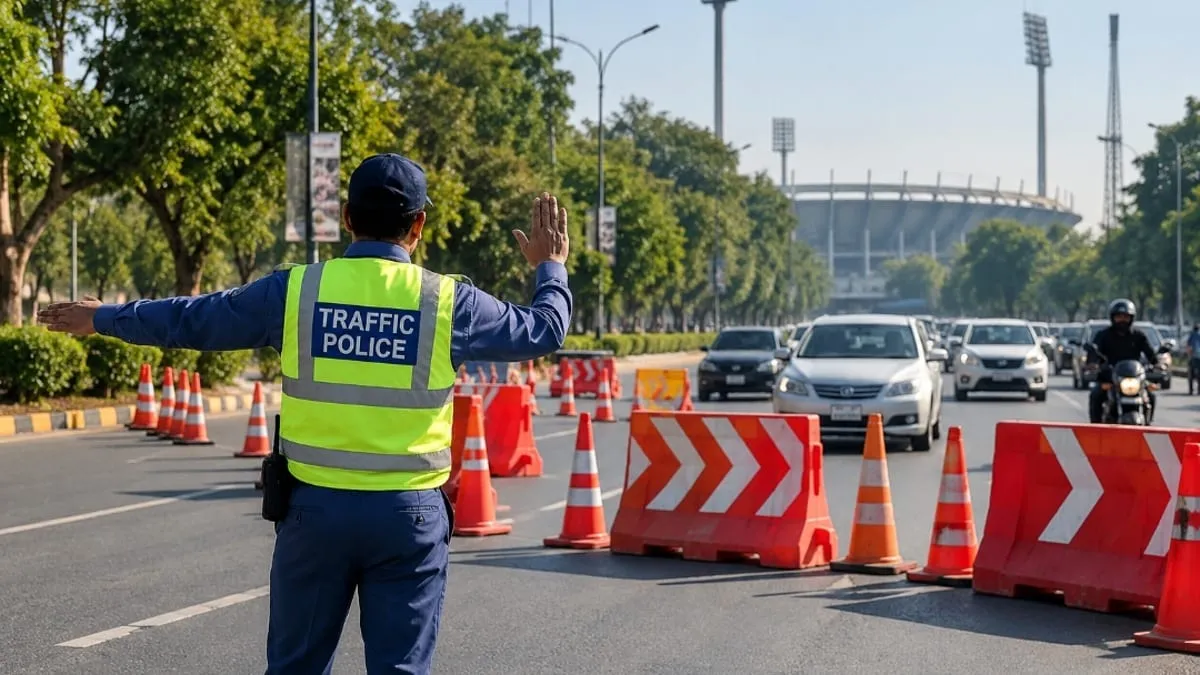
Lahore traffic wardens will now have access to criminal record databases, allowing them to identify motorists with criminal histories and take immediate action against them. This operational shift represents a major change in how daily traffic enforcement interacts with wider law enforcement duties in the region. Traditionally, traffic personnel focused exclusively on minor infractions such as speeding, improper parking, and failure to wear seatbelts. By integrating criminal background checks into regular stops, authorities hope to bridge a long-standing gap between street-level traffic management and criminal investigations.
Chief Traffic Officer (CTO) Lahore Syed Abdul Raheem Shirazi said the new access would enable traffic police to verify drivers' details through modern databases instead of limiting their duties to issuing traffic tickets. Officers equipped with handheld verification devices or direct communication channels to dispatch centers can now run quick checks during routine traffic stops. This capability transforms every standard traffic violation check into a potential security screening, increasing the likelihood of intercepting individuals wanted for past offenses.
What Happens When a Driver Has a Criminal Record?
He said authorities would take action against drivers found with criminal records, including cancellation of their driving licenses and arrests. When a traffic warden identifies a motorist flagged in the database, protocol dictates immediate escalation. Depending on the nature of the recorded offense, officers can detain the individual on the spot or coordinate with local police stations for formal transfer into custody. Furthermore, administrative penalties such as the immediate revocation of driving privileges ensure that individuals with dangerous backgrounds lose legal authorization to operate motor vehicles.
Shirazi said the initiative aimed to make Lahore's roads safer and ensure that criminals could not evade law enforcement. Urban centers often struggle with suspects moving freely through traffic while hiding from warrants or pending court cases. By using traffic checkpoints and routine patrols as secondary security nets, the city intends to close loopholes that offenders previously exploited to travel unnoticed.
The Evolution of Traffic Policing in Lahore
The decision to grant traffic wardens access to sensitive criminal databases reflects a growing trend toward integrated municipal security networks. Modern police forces increasingly rely on shared data systems to maximize the efficiency of available personnel. Instead of maintaining rigid divisions between traffic management and criminal investigation units, administrative authorities are combining resources to cover more ground. Traffic wardens are stationed at high-volume intersections across the city every day, positioning them to observe thousands of motorists who might otherwise avoid police scrutiny.
Implementing this system requires careful coordination between the traffic police department and provincial criminal record bureaus. Wardens must undergo training to handle sensitive data responsibly and execute verification procedures without causing unnecessary traffic delays or disputes with motorists. Ensuring data accuracy is critical to prevent false accusations and maintain public trust during roadside checks. As officers grow accustomed to the new workflow, the city expects a smoother integration of security checks into everyday traffic enforcement.
Impact on Daily Commuters and Public Safety
For ordinary residents and law-abiding drivers in Lahore, the new measure introduces an extra layer of security on public thoroughfares. While routine commuters may experience brief pauses during stops while officers run database queries, the broader goal is to remove dangerous elements from public roads. Citizens with clean records will face standard verification before receiving clearance to proceed, while those harboring active warrants or severe criminal pasts will face immediate legal consequences.
Transport unions and local business sectors are monitoring the rollout to understand how enforcement standards will affect commercial drivers and delivery personnel. Ensuring that verification processes remain transparent and efficient will determine the long-term success of the program. Authorities maintain that the primary objective is deterrence, signaling to offenders that routine driving violations now carry the risk of exposing far more serious legal entanglements.