Lucky Motor Suspends New Bookings for Peugeot 2008
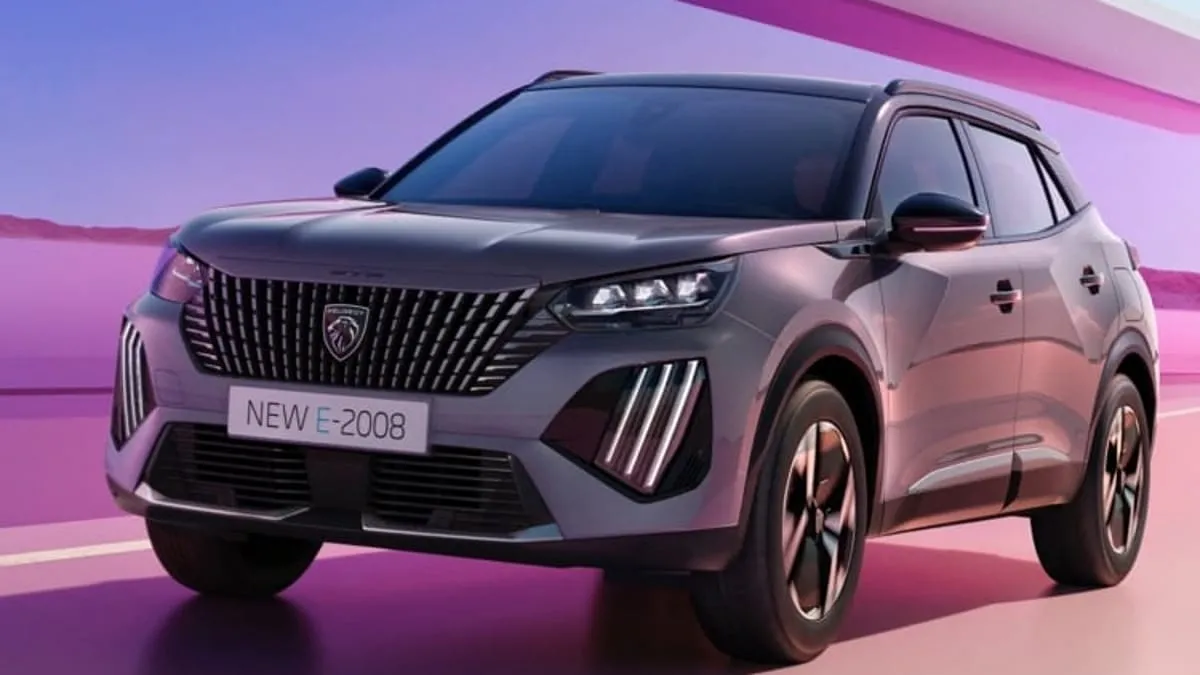
Lucky Motor Corporation has suspended fresh bookings for the Peugeot 2008 in Pakistan, raising questions about the future of the locally assembled SUV as buyers increasingly turn toward electrified vehicles. The decision by the automotive manufacturer marks a notable pause in the commercial availability of a model that entered the local market with significant marketing attention just a few years ago. Automotive sector observers and prospective buyers are closely monitoring the situation to understand the broader implications for the brand's footprint in the country.
LMC Chief Executive Muhammad Faisal confirmed that the company is no longer accepting new orders but said production continues. He added that the company is delivering vehicles booked earlier and still has pending orders to fulfill. This clarification comes at a time when conflicting reports regarding the active status of the manufacturing line have circulated through dealership networks and industry circles.
Production History at Port Bin Qasim Industrial Park
According to Faisal, LMC has assembled more than 6,000 Peugeot vehicles at its plant in Port Bin Qasim Industrial Park since the first quarter of 2022. The facility represents a major industrial investment designed to bring European automotive standards and local assembly capabilities together under one roof. The plant uses local labor and technical frameworks established through broader partnerships involving major global vehicle brands.
Industrial assembly operations of this scale require steady supply chains, predictable component costs, and consistent consumer demand to remain financially viable. When demand shifts or input costs fluctuate, manufacturers frequently review their assembly schedules to manage inventory levels effectively. The assembly milestone of over 6,000 units demonstrates that the vehicle achieved a tangible presence on local roads since its initial rollout.
Conflicting Reports From Dealers and Industry Sources
However, some industry sources claim LMC quietly halted production a few months ago, raising concerns among existing owners about future maintenance and the availability of expensive spare parts. These contradictory accounts highlight the challenges of gauging industrial output in an environment where demand patterns fluctuate rapidly. Dealers across the country have also given differing accounts regarding the actual status of the assembly lines.
While some dealers confirmed that LMC had only suspended new bookings, others claimed the company had discontinued production entirely. LMC has denied the latter claim, maintaining that manufacturing operations are being managed according to current market realities and order backlogs. Such discrepancies between corporate statements and dealer observations often create uncertainty among retail buyers who rely on transparent information.
After-Sales Support and Spare Parts Availability
Current owners and prospective buyers frequently worry about long-term maintenance support whenever a vehicle manufacturer alters its booking policies. To address these concerns, Faisal stated that all Kia service centers can provide after-sales services to Peugeot customers and that the company still has spare parts in stock. Because LMC manages multiple automotive brands within its corporate portfolio, using shared service infrastructure offers a practical way to maintain technical support.
Availability of spare parts remains a critical factor for owners of European nameplates assembled locally, given that imported components can sometimes face logistical delays or high tariffs. Ensuring that service networks remain fully stocked helps protect the investment of early adopters who purchased the SUV during its initial launch phase. Service centers equipped with trained technicians and diagnostic tools are essential for maintaining vehicle reliability and preserving consumer trust.
Owner Feedback on Design, Fuel Consumption, and Resale Value
Owners who spoke to journalists praised the Peugeot 2008 for its design, driving experience, comfort, suspension, and durability. The striking exterior styling and modern interior layout were key selling points that attracted buyers seeking an alternative to traditional compact utility vehicles. The driving dynamics and ride quality received consistent praise from motorists navigating varied urban and highway conditions.
However, these same owners raised concerns about fuel consumption, spare parts availability, and weak resale value. Fuel economy is a primary consideration for motorists facing high pump prices, and urban driving figures for turbocharged petrol engines often draw close scrutiny. Additionally, niche vehicle segments in the local market tend to experience steeper depreciation rates compared to high-volume mass-market models, impacting the long-term resale value for secondary buyers.
Shifting Consumer Preferences Toward Electrified Vehicles
The broader automotive market in Pakistan is undergoing a transition as buyers increasingly explore hybrid and electric vehicle options. Rising fuel costs and changing government policies regarding alternative energy vehicles have influenced consumer purchasing priorities over recent years. Traditional internal combustion engine vehicles in specific categories face intensified competition from newer powertrain technologies that promise lower operating costs.
Manufacturers must continuously adapt their product portfolios to align with these evolving consumer demands. Whether future production schedules at the Port Bin Qasim facility will incorporate new variants or pivot toward alternative powertrains remains to be seen. Industry watchers will continue tracking corporate announcements and registration data to gauge the strategic direction of the company moving forward.