How the New Pricing Formula Could Lower Petrol Costs
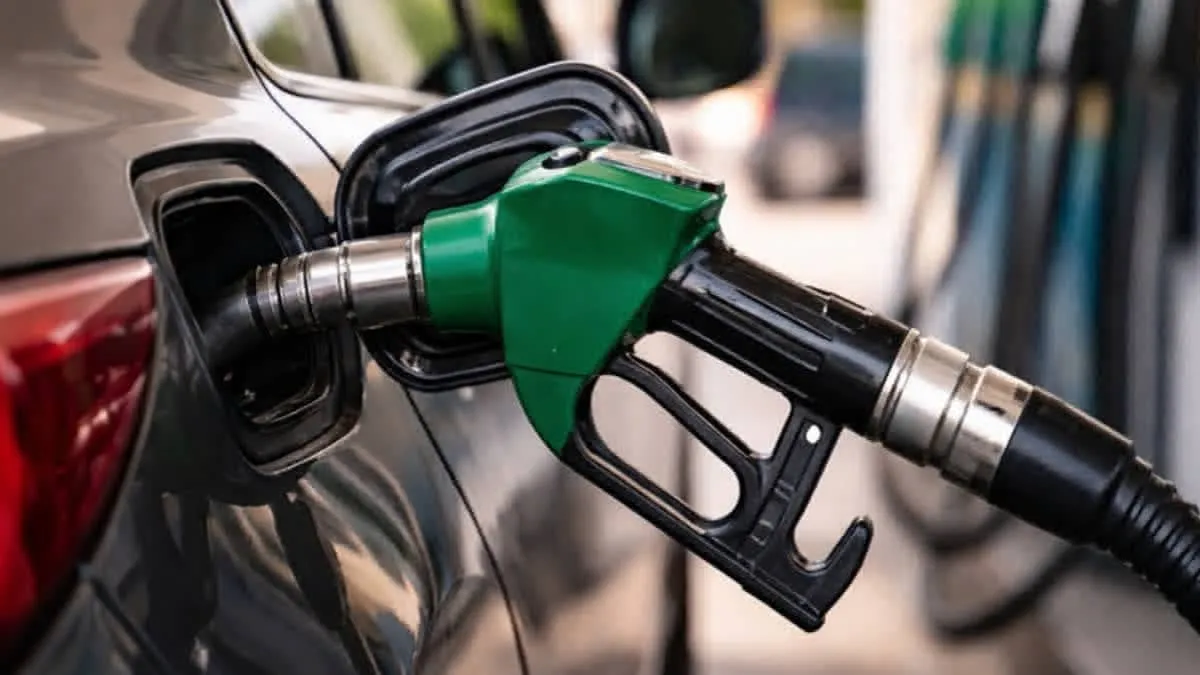
Petroleum Minister Ali Pervaiz Malik announced on Monday that petrol prices could fall by Rs15 per litre under a new pricing formula, which is set to be finalised with oil refineries. Addressing a press conference alongside Information Minister Attaullah Tarar, Malik stated that the government would be able to deliver this relief with the cooperation of the domestic refineries. He noted that a meeting with refinery representatives is scheduled for the following day to discuss all related matters concerning the adjustment.
The proposed adjustment comes at a time when energy costs remain a central concern for the national economy. Malik explained that local refineries account for 30 percent of the total petrol production in the country. Together with the government, these refineries recently absorbed a financial burden of Rs15 billion to prevent a price hike.
Malik pointed out that petrol was due to become Rs15 per litre more expensive on Friday, but the increase was averted with the support of the refineries. This temporary stabilization prevented an immediate escalation in transport and living expenses for everyday citizens.
The Role of Oil Refineries and Profit Margins
Explaining the financial position of the energy sector, Malik revealed that refineries earned more profit in the past three months than they had in several years. This strong financial performance created room for discussions regarding potential consumer relief and the restructuring of fuel pricing mechanisms.
Malik also provided context on historical import costs, stating that before October 31, Pakistan was paying a premium of $10 to $20 on imports. High import premiums historically added significant pressure to the national import bill and consumer fuel rates.
The upcoming consultation with refinery representatives aims to formalize a pricing structure that accounts for these shifting profit margins and import dynamics. By aligning domestic refinery operations with consumer needs, the government hopes to establish a sustainable framework for fuel pricing.
Government Strategy and Prime Minister Directives
Information Minister Attaullah Tarar emphasized that the Rs15 per litre increase was withheld on the strict instructions of Prime Minister Shehbaz Sharif. The government has maintained that protecting ordinary citizens from runaway inflation remains a primary policy objective.
Tarar stated that further increases in petroleum prices had been stopped as part of the strategy of the federal government. Both ministers highlighted that rising global energy prices and the regional situation have pushed up transport costs and affected the broader economy.
Despite these external pressures, the priority of the administration is to transfer the least possible burden to the public. The ongoing talks with the energy sector form part of a broader effort to manage inflation and stabilize household budgets.
Current Fuel Subsidies and Relief Measures
Beyond petrol pricing adjustments, the government highlighted existing welfare initiatives aimed at easing the cost of living. Tarar reported that more than 10 million people have benefited from the fuel subsidy scheme, which has provided relief worth Rs27 billion so far.
The Information Minister confirmed that this targeted subsidy program would continue as part of the official relief strategy. Officials noted that while regional security and geopolitical tensions continue to disrupt global supply chains, domestic policy measures are designed to cushion the impact on vulnerable populations.
Malik also addressed the energy market regarding liquefied petroleum gas, terming the Rs600 price of LPG unjustified. He confirmed that the administration would take firm action against unauthorized pricing in the LPG sector to protect consumers from overcharging.