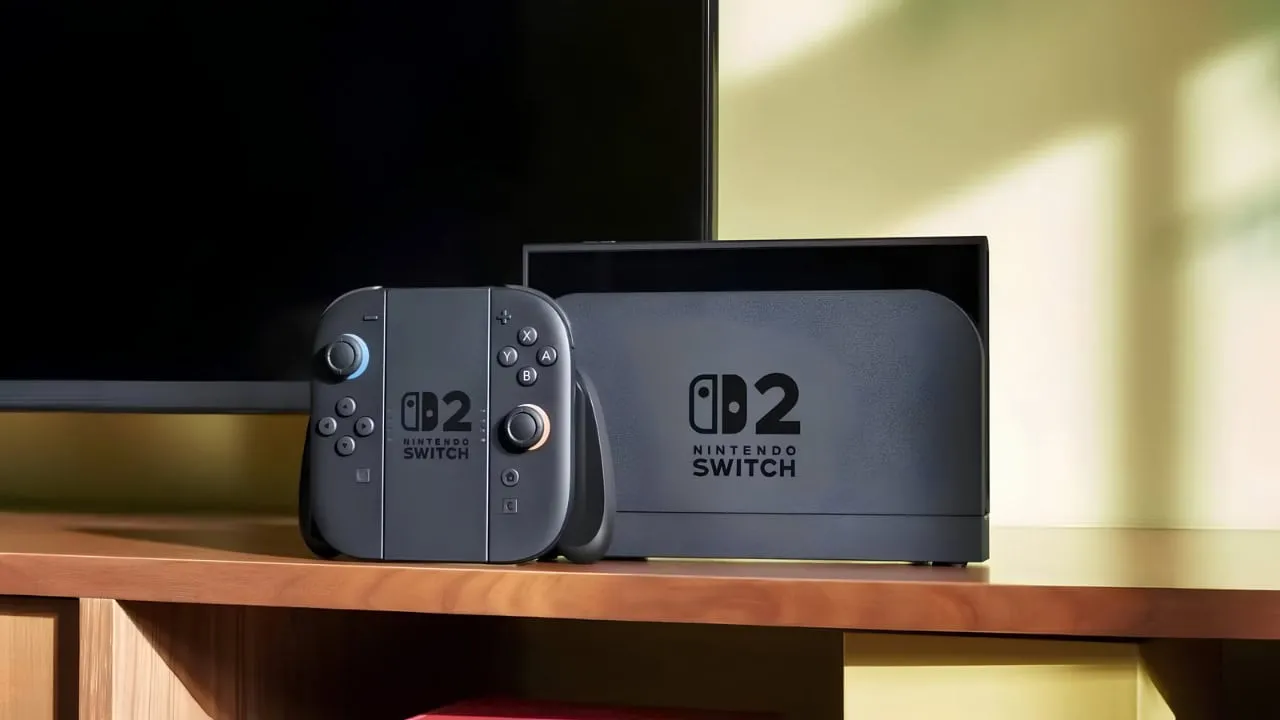
Nintendo president Shuntaro Furukawa officially confirmed that the company has no plans to implement any price hikes on Switch 2 systems, a statement delivered alongside the firm's latest financial report. The reassurance earned massive praise from gamers, even as investors remain uneasy.
What the Global Memory Crisis Means for Console Makers
The technology sector is currently grappling with a severe shortage of memory chips. Major RAM manufacturers have redirected capacity toward AI data centers, reducing the supply available for consumer electronics. This shift has driven up production costs for video-game consoles, prompting price increases for several competing systems.
For Nintendo, the situation was compounded by a supply-chain disruption earlier this year when Macronix announced the end of production for Nintendo Switch cartridges. While the loss of a key cartridge supplier raised concerns, Nintendo has maintained relationships with alternative manufacturers, ensuring that cartridge availability will not become a bottleneck.
In a Reuters business interview, Furukawa told investors that Nintendo has "comfortably secured sufficient memory supplies." He added that the company will therefore keep the Switch 2 price unchanged, despite the fact that the system already received a price increase earlier in 2026.
Why Nintendo's Pricing Decision Matters to Gamers and Investors
Keeping the Switch 2 price steady is a rare move in an environment where many hardware makers have raised retail prices to offset higher component costs. For consumers, a stable price eliminates the fear of sudden cost spikes during the holiday buying season, encouraging confidence in purchasing the console, bundles, and first-party titles.
Investors, however, have expressed concern over the company's financial performance. Nintendo reported a 37% year-on-year decline in Switch 2 sales for the latest quarter, and operating profits fell by 16%. The drop reflects both the memory-chip cost pressure and a broader slowdown in discretionary spending.
How Nintendo Plans to Offset Declining Sales
Despite the sales dip, Nintendo remains committed to its end-of-year forecast of selling roughly 16 million Switch 2 units through the remainder of 2026. The firm is banking heavily on the enduring popularity of the Legend of Zelda franchise.
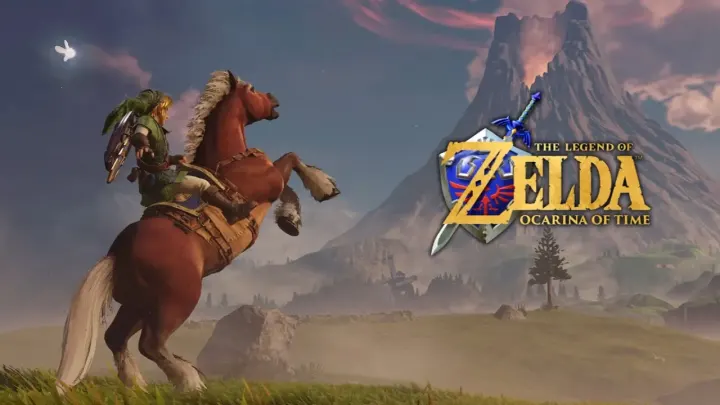
The Legend of Zelda: Ocarina of Time remake currently holds the top spot on Metacritic for 2026 and ranks among the highest-rated games of all time. In addition, the limited-edition Legend of Zelda 40th Anniversary Switch 2 console sold out almost instantly after its launch.
Retail partners such as Target and Best Buy have announced that they will receive additional stock of the themed console during the first week of November. The restocks are expected to satisfy the strong demand from collectors and new buyers alike.
What the Holiday Season Could Look Like for Nintendo
With the price of the Switch 2 locked in, shoppers can focus on finding the best bundles, special editions, and game releases without worrying about sudden price hikes. The combination of a stable hardware price and a slate of high-profile titles is likely to drive strong holiday sales, even if overall unit growth remains modest.
Analysts will be watching inventory levels at major retailers, the speed of the upcoming restocks, and the performance of new game launches throughout November and December. These metrics will indicate whether Nintendo's pricing strategy translates into the anticipated holiday profit boost.
What Consumers Should Do Now
Gamers interested in the Switch 2 should keep an eye on retailer announcements for restock dates and consider pre-ordering bundles that include the sought-after Zelda anniversary edition. Because the console's price is expected to stay unchanged, buyers can compare offers across stores without fearing hidden price adjustments.
For those who were waiting for a price drop, the news confirms that the current retail price will remain the baseline for the rest of the year. This stability may also influence secondary-market pricing, keeping resale values more predictable.
Looking Ahead: Potential Risks and Opportunities
The memory-chip shortage remains an industry-wide challenge. While Nintendo says it has secured enough supply for the Switch 2, any further escalation in AI-driven demand could strain inventories again. Should that happen, the company may need to revisit its pricing stance.
On the opportunity side, the strong performance of flagship titles and the appeal of limited-edition hardware give Nintendo a platform to maintain consumer interest without resorting to price increases. Continued collaboration with cartridge manufacturers and strategic sourcing of memory components will be crucial to sustaining this approach.
In summary, Nintendo's decision to keep Switch 2 prices steady provides a clear signal to both gamers and the market: the company is willing to absorb higher component costs in order to preserve its brand promise of affordable, high-quality gaming experiences. The coming weeks will reveal whether this strategy succeeds in offsetting the recent sales decline and delivering a profitable holiday season.