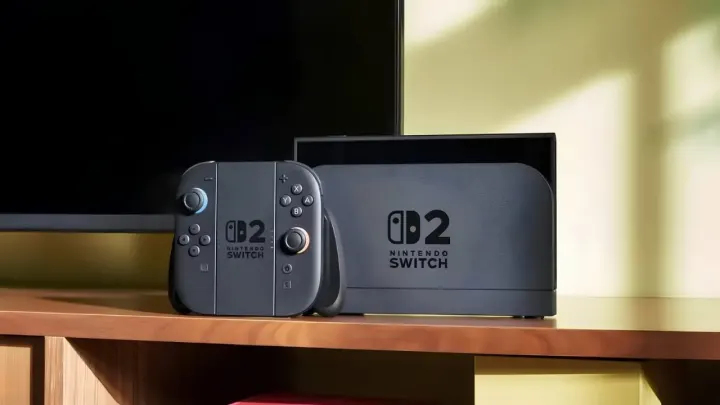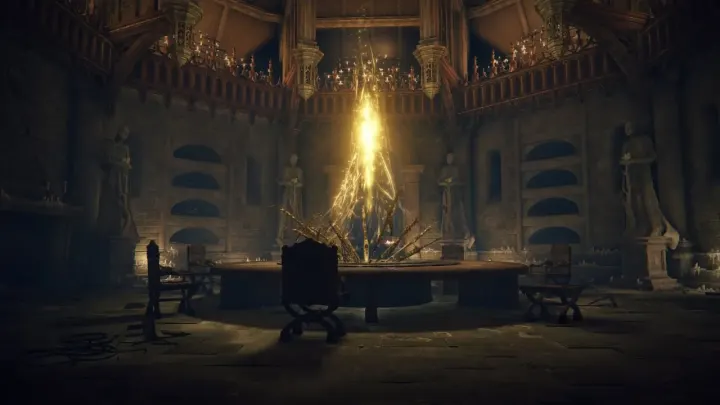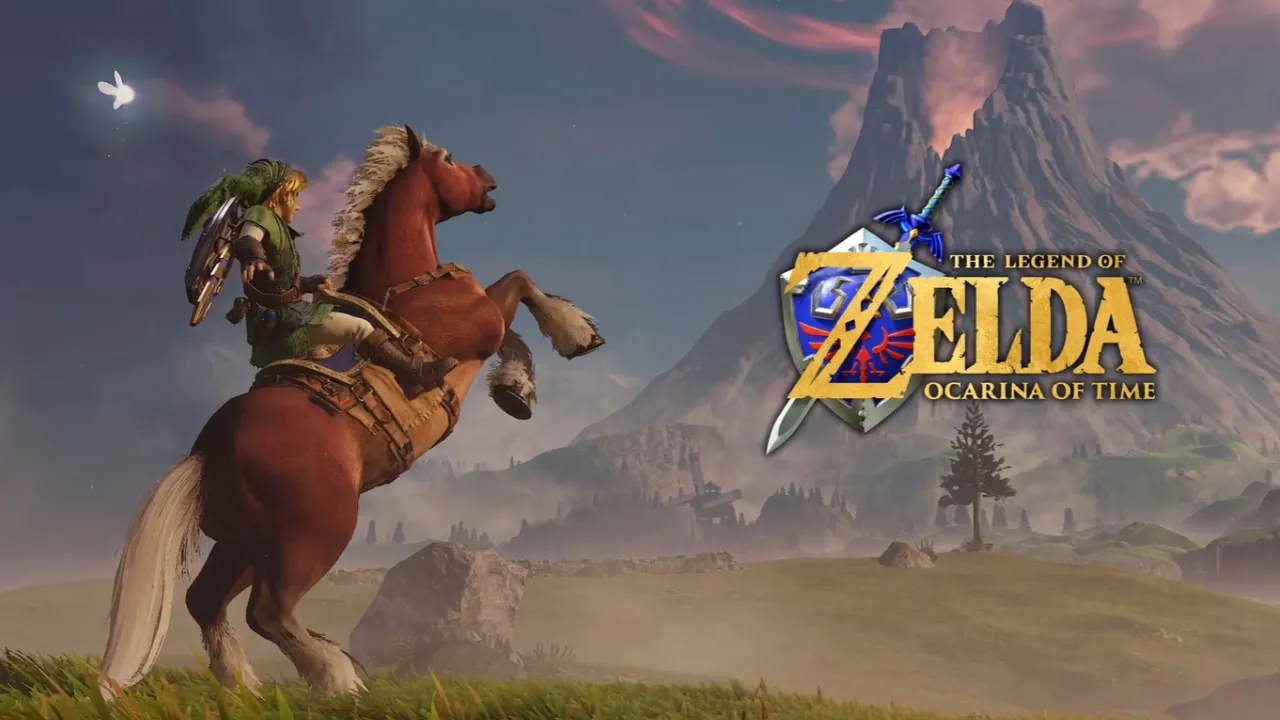
The highly anticipated Legend of Zelda: Ocarina of Time remake launched yesterday, November 5. Surprisingly, independent developers already have the Switch 2 exclusive running on PC. Multiple independent projects successfully bypassed Nintendo's hardware restrictions. As a result, the Legend of Zelda: Ocarina of Time remake now runs as a native PC application.
Recent advances in AI coding tools made this rapid turnaround possible. Previously, developers needed large teams and lengthy development periods to reverse-engineer games. Now, AI-assisted recompilation reliably transforms console exclusives into PC games. Emulation also benefits from this recent AI boost. Earlier projects successfully targeted games like Zelda: Tears of the Kingdom and Link's Awakening.
Zelda: Ocarina of Time Remake Playable on PC, But Far From Perfect
Technically, the Zelda: Ocarina of Time remake runs on PC. However, the term playable requires a lot of heavy lifting. Multiple gameplay videos surfaced on social media yesterday. These clips show the game running through experimental Switch 2 emulation.
OOT Remake looking great so far by u/SpecialAd5480 in SwitchPirates2
Unfortunately, players face substantial technical issues. The game suffers from severe graphical glitches and constant stuttering. Frame rates frequently drop as low as 15 FPS. Regardless of the specific project, early emulation performance historically improves over time. Therefore, these initial efforts will likely produce fully playable PC versions soon.
AI Tools Face New Corporate Restrictions
The growing popularity of static recompilation and game decompilation has attracted corporate attention. AI tool developers now face mounting pressure from copyright holders. Consequently, companies are implementing new restrictions.
In late October 2026, Anthropic's official, Addy Osmani, confirmed a major update. The company instructed its Claude Code Opus 5.5 model to discourage recreations of copyrighted games. Anthropic framed this change as a way to protect original game development. However, users reported that these new rules blocked legitimate reverse engineering. Anthropic subsequently revised the restrictions in Claude Code version 2.1.317. Now, developers can reference existing games when describing mechanics for their original projects.
Nintendo Prepares for a Legal War
Nintendo aggressively protects its intellectual property. The company frequently pursues legal action against emulators, fan translations, and unofficial ports. However, Nintendo has not yet launched a coordinated crackdown specifically targeting AI-assisted reverse engineering.
The legal teams may simply be gathering evidence. A notable exception occurred in October 2026. Developer Oliver Sauter created a browser-based port of Super Mario 64 using Anthropic's Claude. Nintendo quickly took notice and filed a copyright complaint. X subsequently restricted posts promoting the project.
Despite the complaint, the port remains active on Sauter's website as of early November 2026. Sauter requires users to supply their own game files. This common tactic reduces the risk of piracy litigation.
Meanwhile, the rapid emergence of PC ports for the Ocarina of Time remake sends a clear message. The technical barriers protecting console exclusives are falling rapidly. Developers and copyright holders will soon engage in an increasingly complex game of cat and mouse.
Background on Static Recompilation and Emulation
Static recompilation transforms binary code from one platform into executable code for another. This differs from traditional emulation, which simulates console hardware in real time. Recompiled games typically run more natively and efficiently on modern hardware. Recent breakthroughs in artificial intelligence accelerated this process significantly. Developers can now analyze massive codebases within minutes instead of months.
The gaming industry has monitored these developments with growing apprehension. Consoles rely heavily on hardware exclusivity to drive hardware sales. When exclusive titles run on personal computers on launch day, console manufacturers lose a primary selling point. Software piracy concerns also compound the issue for corporate legal departments.
Understanding Copyright Challenges in AI Development
Artificial intelligence models learn from vast datasets containing code, text, and media. As coding assistants become more capable, they intersect directly with software licenses. Companies like Anthropic find themselves caught between open-source ambitions and strict copyright enforcement. Updating models to restrict the replication of proprietary games represents an attempt to mitigate legal liability.
Developers who rely on these tools must navigate shifting rules and compliance updates. Software versions change rapidly, altering what prompts are permissible. The balance between creative freedom and intellectual property rights remains highly contentious. Courts will likely define legal boundaries as more cases emerge over the coming months.
What Next Steps Face Developers and Nintendo
As initial performance issues get ironed out by independent programmers, stable PC versions will attract larger audiences. Nintendo's legal response will dictate how openly these projects can be distributed. History shows that aggressive takedowns often push development underground rather than stopping it entirely.
Observers should watch for official statements from hardware manufacturers regarding future console security measures. Software updates and hardware revisions may attempt to block ongoing emulation efforts. The ongoing technological arms race between console makers and homebrew developers continues to evolve rapidly.