A baby's diaper, a vehicle interior, an agricultural covering and a reusable shopping bag may seem unrelated, yet all can depend on nonwoven fabric.
Unlike traditional woven textiles, nonwovens are created by bonding or entangling fibers into a fabric-like sheet, allowing properties to be tuned for varied uses.
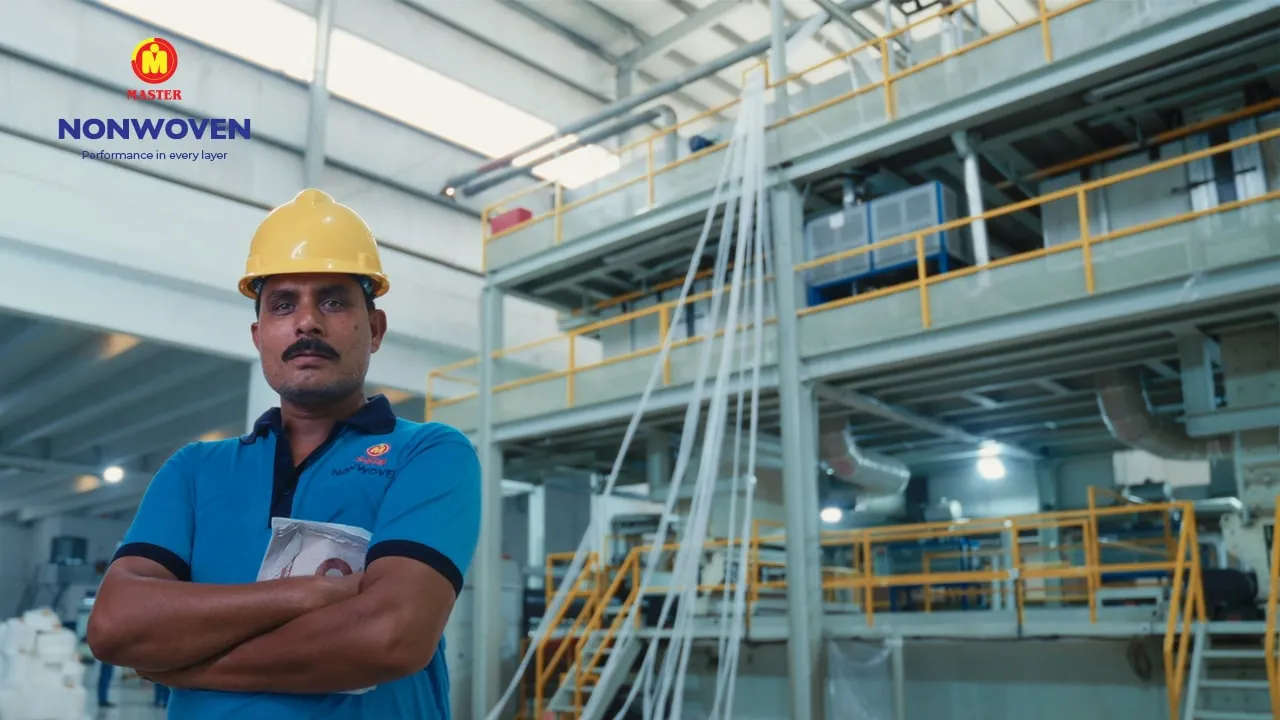
Since 2002, Master Nonwoven, a unit of Master Group of Industries, has been making these materials in Pakistan.
What started as a local production investment now serves companies across hygiene, neonatal care, automotive, agriculture, bedding, retail and packaging.
Today the firm runs Italian-engineered lines capable of producing 24,000 metric tonnes each year.
A Material With Many Industrial Applications
Nonwovens adapt to different functions based on how they are manufactured and specified.
In personal care and hygiene, they form layers in diapers, contributing to structure and performance.
Neonatal products also rely on tailored nonwoven specifications.
Agricultural uses include crop-protection coverings for specialized farming needs.
Automakers employ nonwovens in interior and functional components, selecting structure and properties to suit production demands.
The bedding sector incorporates them into mattresses and sleep products.
Retail and packaging applications feature reusable shopping bags and protective solutions.
All these uses share a key need: materials that meet the exact specifications of the finished product.
Why Material Specifications Make a Difference
A fabric suitable for a shopping bag may not fit an automotive part or a hygiene item.
Each sector demands particular weight, colour, structure and performance.
GSM, or grams per square metre, indicates material weight and helps determine suitability.
Lightweight fabrics may be required for one product, while heavier builds suit another.
Colour choices matter when the material is visible in the final item.
Master Nonwoven offers one of the broadest local ranges of colours and GSM options, letting businesses pick what they need.
This flexibility benefits companies that produce multiple product lines or meet varied customer specs.
The Importance of Consistency
Consumers rarely think about the manufacturing steps behind a finished good, but producers rely on consistent material quality.
Repeat buyers need assurance that each shipment matches required specs.
Variations in weight or structure can disrupt production.
To manage this, Master Nonwoven runs an in-house lab for quality control and employs end-to-end tracking throughout manufacturing.
Its OEKO-TEX, ISO and CE certifications reinforce adherence to recognized standards.
Such systems are vital for industrial clients who need predictable performance across ongoing orders.
How Industry Demand Is Changing
During the COVID-19 period, heightened demand for hygiene and protective items highlighted nonwovens' importance.
Beyond healthcare, agricultural firms keep using technical nonwovens, while automotive and bedding makers need them for various components.
Retail and packaging are also expanding as businesses explore reusable bags and alternative formats.
In response, Master Nonwoven provides specifications including oxo-biodegradable options for suitable applications.
The company's cross-industry supply underscores the adaptability that makes nonwovens a key material in modern manufacturing.
The Manufacturing Behind Everyday Products
Daily products often result from contributions by several unseen industries.
A mattress, vehicle interior or personal-care item may depend on specialized materials from manufacturers whose names do not appear on the final product.
Master Nonwoven is part of this network.
With over two decades of experience, an annual capacity of 24,000 metric tonnes and capabilities built around diverse material needs, it supports businesses that produce a wide range of goods.
This role highlights an essential facet of Pakistan's industrial landscape: the materials behind everyday items are as crucial as the finished products themselves.