Pakistan Switches to New Debt Formula for Government Loans
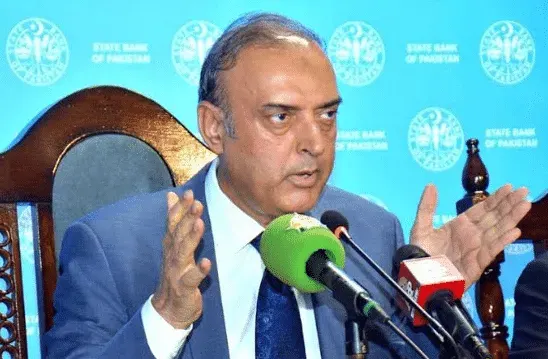
Pakistan is shifting away from short-term borrowing towards loans with maturities of five to ten years to reduce refinancing risks and ease pressure on government finances, Finance Minister Muhammad Aurangzeb told the Senate Standing Committee on Finance on Wednesday.
Aurangzeb said Pakistan had previously faced the challenge of refinancing domestic debt every three months, making government finances vulnerable to changes in interest rates. Extending repayment periods would help the government manage its debt obligations more effectively.
The transition marks a change in strategy for the national treasury. Moving away from quarterly rollovers gives economic planners predictable horizons for fiscal policy. Short-term Treasury bills previously dominated the financing mix, forcing authorities into constant debt auctions.
Financial markets reacted to the shift as officials outlined the broader restructuring program. Creditors and institutional investors watch these structural adjustments closely because maturity extensions alter yield curves and government borrowing costs across the banking sector.
How Pakistan Public Debt Reached Rs. 86.7 Trillion
Finance Secretary Imdadullah Bosal told the committee that Pakistan's total public debt had reached Rs. 86.7 trillion in FY2026, compared with Rs. 24.9 trillion in FY2018.
Despite the increase in the overall debt stock, the government has reduced its interest payment burden. Interest payments as a share of government revenue have fallen from 61 percent in FY2023-24 to 35 percent.
The expansion of the total liability figure reflects years of cumulative fiscal deficits, currency depreciation, and historical borrowing patterns. The administration points out that while the nominal volume increased, the velocity of debt accumulation slowed.
Auditors and economic analysts study these tallies to evaluate fiscal health. Total public debt encompasses both domestic liabilities owed in local currency and external obligations denominated in foreign currencies.
Reduction in Interest Payments and Budget Savings
The government's interest expenditure also declined from Rs. 8.9 trillion in FY2024-25 to Rs. 6.9 trillion in FY2025-26, saving nearly Rs. 2 trillion in annual payments.
Bosal said the reduction was not solely due to lower interest rates, as improvements in the primary budget balance and debt management had also contributed.
Lower debt servicing costs free up fiscal space for public development spending and administrative needs. When less revenue goes toward paying interest on past loans, the treasury retains more funds for domestic priorities.
Independent economists note that primary surplus generation remains central to this fiscal consolidation. Controlling expenditures while expanding the tax base helps keep borrowing requirements manageable.
Domestic Debt Figures and External Liabilities
Domestic debt stood at Rs. 58.8 trillion in August 2026, down Rs. 684 billion from June, while external debt remained broadly stable at $98.2 billion.
The average maturity of domestic debt has increased from 2.7 years in June 2024 to 3.8 years in June 2026. The government aims to extend it further to 4.2 years by FY2028.
Domestic debt comprises government bonds, treasury instruments, and unfunded debt held by local institutions and citizens. Maintaining stability in this domestic pool protects the national balance sheet from international shocks.
External debt stability relies on foreign currency inflows, export revenues, and foreign direct investment. Keeping external obligations steady prevents debt-to-GDP ratios from deteriorating due to exchange rate fluctuations.
Fiscal Deficit, Reserves, and Foreign Debt Servicing
Aurangzeb said Pakistan's fiscal deficit had declined from around 12.5 percent to 2.5 percent, while the current account deficit stood at 0.1 percent of GDP in the last fiscal year.
He added that foreign exchange reserves had reached $21.5 billion and were sufficient to cover around three months of imports.
Pakistan's external debt servicing requirements for FY2027 stand at $21.5 billion, including $17.5 billion in principal repayments and $4 billion in interest. Bilateral rollovers and commercial refinancing have reduced the estimated net payment requirement to around $11 billion.
Maintaining adequate import cover protects the economy from supply shortages and currency instability. Central bank reserves serve as the primary line of defense against external financial volatility.
Future Borrowing Strategy and Avoiding Emergency Support
The finance minister said the government was seeking to reduce dependence on external borrowing and avoid returning to international lenders for emergency financial support.
By restructuring the national balance sheet toward medium-term instruments, the ministry hopes to insulate state finances from recurring crises. Sustainable domestic revenue mobilization remains the core pillar of this long-term plan.
Legislators on the Senate committee questioned officials on the implementation timeline of the new debt formula. Continued oversight by parliamentary committees ensures transparency in how the treasury manages public funds.