What Happened: First Robotic Telesurgery Demonstrated in Pakistan
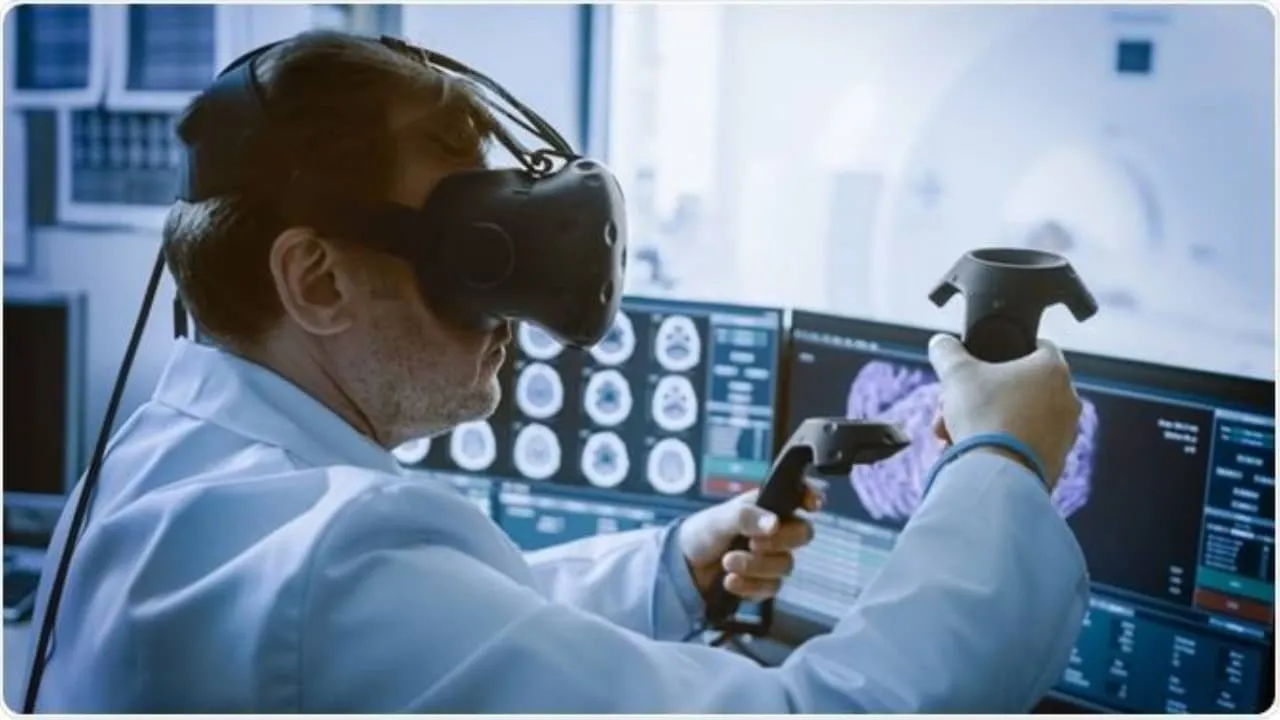
Pakistan has achieved a major milestone in surgical innovation with the successful demonstration of its first robotic telesurgery cholecystectomy in Islamabad, enabling a surgeon to perform an operation remotely from an international healthcare conference venue.
The procedure was performed by renowned robotic surgeon and Registrar of Shaheed Zulfiqar Ali Bhutto Medical University (SZABMU), Prof. Dr. Syed Tanseer Asghar, who remotely controlled robotic surgical instruments from the International Conference on Future of Healthcare (FHCC 2026) at the Gandhara Heritage and Culture Centre.
Meanwhile, the patient was undergoing the operation at the operating theatre of Kulsum International Hospital, Islamabad, demonstrating the integration of robotic technology, surgical expertise and real-time digital connectivity.
Why This Matters for Pakistan's Health System
The successful procedure highlighted the potential of telesurgery to overcome geographical barriers and facilitate access to specialized surgical expertise through advanced robotic systems. In a country where specialist surgeons are concentrated in major cities, remote robotic surgery could bring high-quality care to remote and underserved regions, provided the necessary infrastructure is in place.
Experts note that reliable broadband, low-latency connections, and robust cybersecurity are essential for safe telesurgical practice. The demonstration showed that these technical requirements can be met, at least in a controlled environment, paving the way for broader adoption.
Background: Robotic Surgery and Telesurgery Worldwide
Robotic surgery has been used in Pakistan for several years, primarily in private hospitals for procedures such as prostatectomy and hysterectomy. However, the ability to control a robot from a distant location, telesurgery, has been limited to experimental trials in a handful of countries, most notably the United States, Italy and South Korea.
Globally, the Da Vinci Surgical System and newer platforms like the Versius and Senhance systems have been adapted for remote operation. Successful remote cholecystectomies have been reported in Europe, where surgeons performed gallbladder removal on patients located up to 200 kilometres away using high-speed fiber networks.
Pakistan's first foray into telesurgery aligns with a broader national push to integrate artificial intelligence and robotics into healthcare, a policy direction articulated in the country's recent Digital Health Strategy.
Who Was Involved: Key Institutions and Personnel
Shaheed Zulfiqar Ali Bhutto Medical University (SZABMU) led the technical and academic side of the demonstration. Prof. Dr. Syed Tanseer Asghar, the university's Registrar and a recognized authority in robotic surgery, operated the robot from the conference venue.
Kulsum International Hospital provided the operating theatre, patient care team, and the physical robot. Hospital staff coordinated with the remote surgeon, ensuring that anesthesia, patient monitoring, and instrument exchange followed standard protocols.
The International Conference on Future of Healthcare (FHCC 2026), hosted at the Gandhara Heritage and Culture Centre, supplied the high-speed internet link and served as the remote command center. The conference brought together healthcare innovators, policy makers and technology firms, creating a natural platform for the live demonstration.
What the New Robotic Surgery and AI Health Centre Will Offer
Following the telesurgery success, SZABMU Vice Chancellor Prof. Dr. Tanwir Khaliq secured approval for the university's first Robotic Surgery and Artificial Intelligence Health Centre. The centre aims to strengthen surgical education, research, and the application of AI-driven solutions.
Planned facilities include:
- Multiple robotic operating suites equipped with the latest surgical platforms.
- Simulation labs for training surgeons in both on-site and remote robotic techniques.
- A data analytics hub that will collect intra-operative metrics for AI-based performance improvement.
- Regulatory compliance labs to test new software and hardware under local health authority standards.
By integrating AI, the centre hopes to develop decision-support tools that can assist surgeons during complex procedures, predict complications, and personalize post-operative care.
Impact on Surgical Training and Research
The demonstration is expected to provide new opportunities for advanced surgical training. Residents and fellows at SZABMU can now observe a live remote operation, gaining insight into the coordination required between on-site staff and a distant surgeon.
Research groups plan to study latency effects, ergonomic outcomes for surgeons, and patient safety metrics in telesurgery. Findings could inform national guidelines and help shape regulatory frameworks for remote procedures.
Regulatory and Infrastructure Considerations
While the demonstration proved technically feasible, scaling telesurgery across Pakistan will require clear regulatory pathways. The Pakistan Medical Commission (PMC) and the Ministry of Health will need to define licensing rules for remote surgeons, data protection standards, and liability frameworks.
Infrastructure challenges include expanding high-speed broadband to rural hospitals, ensuring uninterrupted power supply, and establishing redundant communication channels to prevent loss of control during surgery.
What Comes Next: Next Steps and Watch-Points
In the short term, SZABMU plans to conduct a series of pilot telesurgeries targeting elective procedures such as hernia repair and thyroidectomy. These pilots will be documented and submitted to the PMC for formal evaluation.
Long-term, the university intends to collaborate with telecom providers to create a dedicated medical-grade network that can support low-latency, high-security connections nationwide.
Stakeholders and observers should watch for:
- Official guidelines issued by the PMC on remote surgical practice.
- Funding announcements from the Ministry of Science and Technology for AI-health infrastructure.
- Results of the upcoming pilot studies, particularly any reported adverse events or technical glitches.
Success in these areas could accelerate the rollout of telesurgery to remote districts, reducing the need for patients to travel long distances for specialist care.
Practical Takeaways for Patients and Providers
Patients in remote areas may soon have the option to receive specialist surgical care without leaving their hometown, provided their local hospital is equipped with a compatible robot and reliable internet. Healthcare providers should begin assessing their technical readiness, training staff on remote collaboration protocols, and engaging with regulatory bodies to ensure compliance.
For surgeons, the development signals a shift toward hybrid practice models where expertise can be shared across borders, expanding professional networks and potentially reducing surgical backlogs in high-demand specialties.
The landmark demonstration is expected to encourage further research, training and investment in robotic surgery, opening new possibilities for the future of digitally connected healthcare in Pakistan.