Pakistan's automobile market recorded a strong recovery in October 2026, with passenger car sales increasing 63% month-on-month to 23,432 units compared with 14,406 units in September. Sales also rose 41% compared with the same month last year, according to the latest data released by the Pakistan Automotive Manufacturers Association (PAMA).
The surge marks the most pronounced monthly gain since the sector began publishing monthly figures in 2015, and it signals a possible turning point after a prolonged period of subdued demand caused by policy uncertainty.
What Drove the October Sales Spike?
The data points to three inter-related factors. First, the tax regime for hybrid and plug-in hybrid vehicles was clarified in early October, removing a source of confusion that had stalled many purchase decisions. Second, consumers who had postponed buying during the latter half of 2025 and early 2026 appear to have returned to showrooms, attracted by more predictable pricing. Third, the launch of new variants from established brands created fresh interest among buyers looking for updated features.
Which Models Led the Recovery?
Suzuki Alto led the market's recovery, recording sales of 11,363 units in October against 3,354 units in September, marking an increase of nearly 239%. The model accounted for approximately 46.5% of total passenger car sales during the month. Suzuki Swift sales also climbed to 3,214 units from 858 units, while Cultus sales increased from 138 to 653 units.
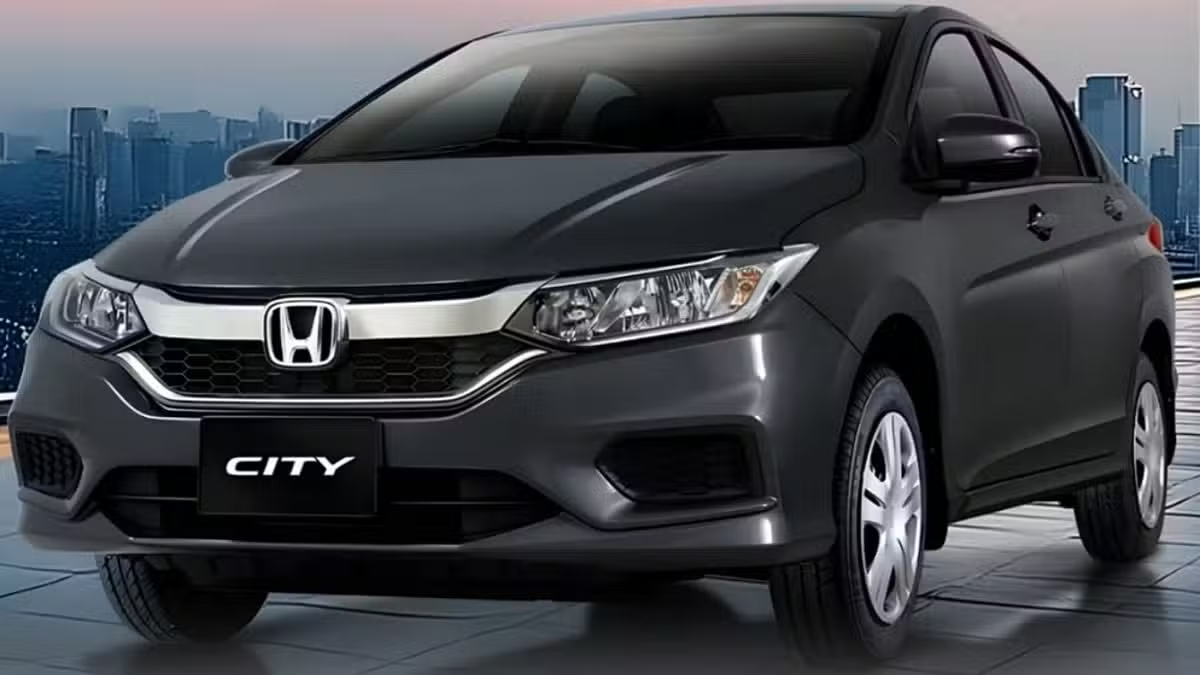
Other manufacturers recorded mixed results. Toyota Corolla, Yaris and Corolla Cross sales declined slightly to 3,496 units from 3,563 units, while Honda City and Civic sales fell 4.4% to 1,933 units. Hyundai Elantra sales also dropped 18.8% to 401 units. Meanwhile, Jetour recorded a significant increase, with sales rising to 768 units from 141 units in September.
How Tax Clarity Affected Buyer Behaviour
In late September 2026 the Ministry of Finance issued a detailed circular outlining the exact levy rates for hybrid and plug-in hybrid vehicles. Prior to the circular, tax rates had been interpreted differently by dealers, leading to inconsistent invoicing. The new guidance fixed the levy at 5% for hybrids and 10% for plug-in hybrids, compared with a previously ambiguous range of 5-15%.
Industry analysts say the certainty allowed buyers to compare total cost of ownership more accurately, especially for models that incorporate electric-assist technology. The effect was most visible in the surge of Suzuki Alto sales, a model that introduced a mild-hybrid variant in early October.
Background: The Auto Policy 2026-31 Controversy
The Auto Policy 2026-31, announced in mid-2025, promised incentives for local assembly, lower duties on parts, and a roadmap for electric vehicle (EV) adoption. However, the policy's tax schedule for new vehicle categories was revised several times, creating a climate of uncertainty. Dealers reported that up to 30% of potential customers delayed purchases in 2025 while waiting for final rules.
By early 2026 the government settled most of the disputed rates, but the lingering doubt persisted into the second half of the year. The October data suggests that once the policy environment stabilised, demand rebounded sharply.
Impact on the Industry and Consumers
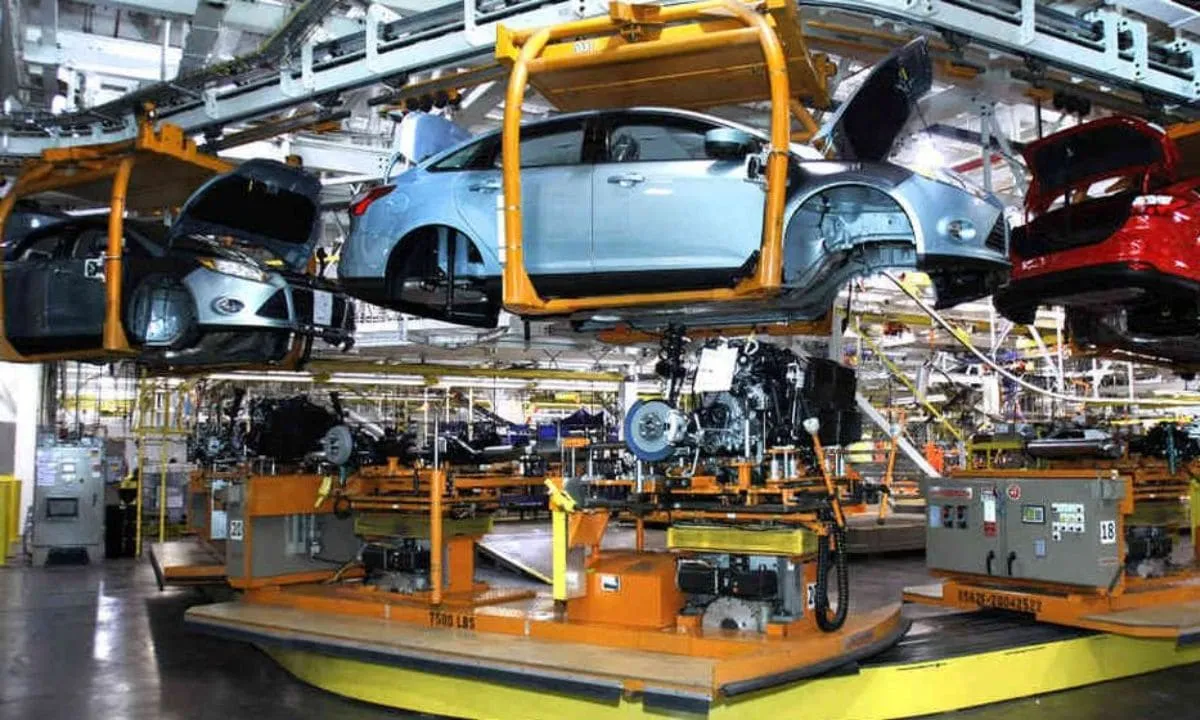
For manufacturers, the October figures translate into an additional revenue stream of roughly Rs. 1.2 billion, assuming an average selling price of Rs. 5 million per unit. Suzuki, the market leader, is likely to see its quarterly profit rise, while Toyota and Honda may need to adjust production schedules to avoid excess inventory.
Consumers benefit from a broader selection of models and clearer pricing. The hybrid tax reduction makes fuel-efficient cars more affordable, potentially lowering average household transport costs by an estimated 3% per year.
What Comes Next for Pakistan's Auto Market?
Analysts caution that October's surge could partially reflect pent-up demand. The next three months will reveal whether the growth is sustainable. The Pakistan Automotive Manufacturers Association has indicated that November sales are expected to stay above 22,000 units, but no official forecast has been released.
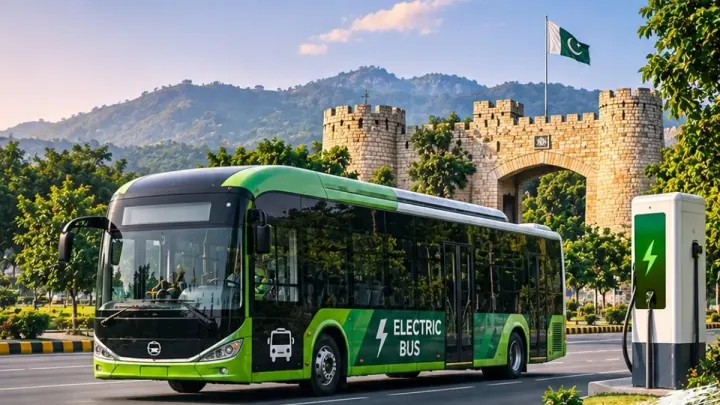
Key upcoming events include the launch of a new electric-only model from a joint venture between a local assembler and a Chinese EV maker, scheduled for December 2026, and the finalisation of a subsidy scheme for EV chargers announced by the Ministry of Energy.
Stakeholders are advised to monitor the following indicators: monthly sales reports from PAMA, any further tax adjustments published by the finance ministry, and the rollout of the EV charging network, which could influence buyer confidence in the coming year.