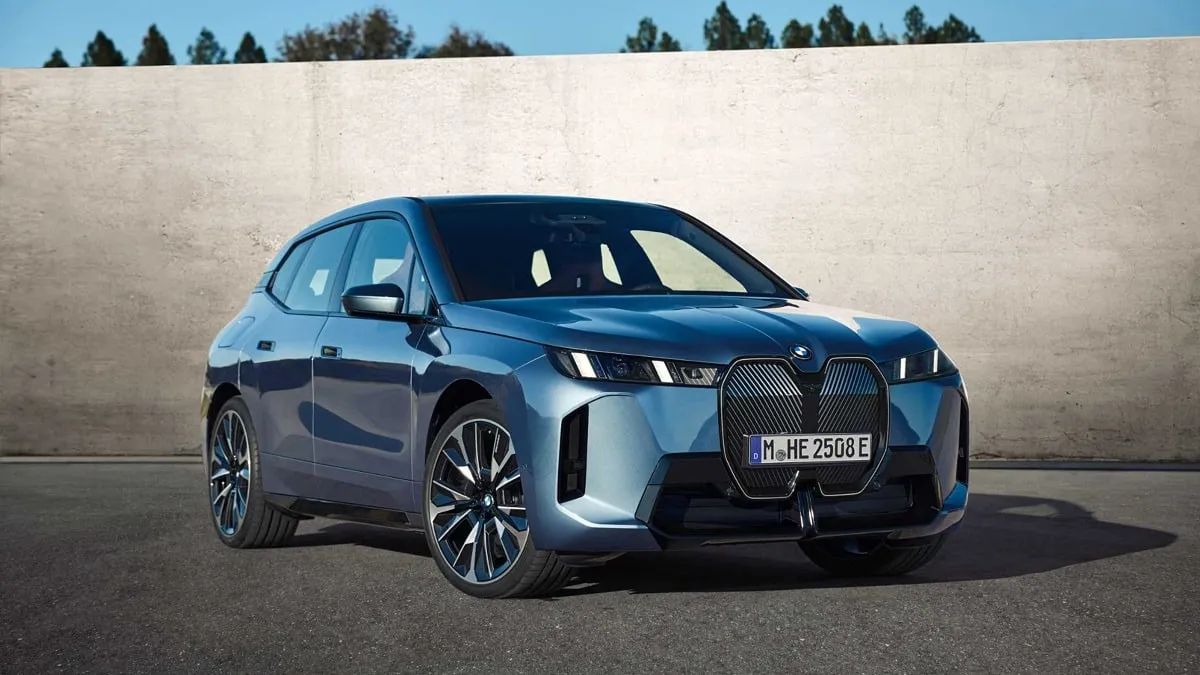
Pakistan will import bullet-proof BMW and Mercedes vehicles for the September 2027 Shanghai Cooperation Organisation (SCO) summit, rejecting locally manufactured armored cars, a decision confirmed by the Senate Standing Committee on Cabinet Secretariat on Wednesday.
The move was explained by Cabinet Secretary Kamran Ali Afzal, who warned that any security breach involving locally built vehicles could cause "immense disgrace to the country," prompting the government to turn to a confidential state institution for the purchase.
Why the Government Turned Down Local Armored Vehicles
During the committee meeting, Senator Mahmoodul Hassan reminded members that Pakistani firms are capable of producing armored vehicles. However, Cabinet Secretary Afzal argued that the prestige and security requirements of a high-profile international summit demand proven, globally recognised protection standards.
He said, "God forbid, if anything happens, it will bring immense disgrace to the country," emphasizing that the potential diplomatic fallout outweighs any benefit of supporting domestic industry for this particular event.
What the Shanghai Cooperation Organisation Summit Entails
The SCO is a regional political, economic and security alliance of ten member states: China, Russia, India, Pakistan, Iran, Belarus, Kazakhstan, Kyrgyzstan, Tajikistan and Uzbekistan. The organisation rotates its chairmanship annually. Pakistan assumed the rotating chair for the 2026-2027 term after the September 2026 summit in Bishkek, Kyrgyzstan.
Under Pakistan's chairmanship, the next Council of Heads of State Summit is scheduled for September 2027 in Islamabad. The summit will bring together heads of state, foreign ministers and senior officials to discuss regional security, trade, investment, energy cooperation and connectivity projects.
How the Procurement Process Works
Pakistan's defence and security procurement is overseen by a confidential state institution that handles high-value, sensitive purchases. While the exact name of the agency was not disclosed, such institutions typically operate under the Ministry of Defence Production and the Cabinet Secretariat, following the Public Procurement Regulatory Authority (PPRA) framework for transparency and value for money.
Under PPRA rules, the procurement of vehicles for a state event must meet three criteria: security certification, cost-effectiveness and compliance with international standards. The decision to source BMW and Mercedes models suggests that the chosen vehicles meet the required ballistic protection levels (usually B6 or B7 according to the European EN 1522/1523 standards) and have been vetted for reliability in hostile environments.
Impact on Local Defence Industry
The rejection of domestically produced armored vehicles may be disappointing for Pakistani manufacturers such as Heavy Industries Taxila (HIT) and the National Engineering and Technology Organisation (NETO), which have supplied armoured personnel carriers and light tactical vehicles to the armed forces.
However, officials argue that the summit's security stakes are unique. "For an event that will be under intense international scrutiny, we must rely on platforms with a proven track record," said Afzal. The decision could motivate local firms to seek certification from recognised ballistic testing bodies to compete for future high-profile contracts.
Broader Security Preparations for the 2027 Summit
Beyond vehicle procurement, the Pakistani government is reviewing venue selection, accommodation logistics, crowd control, airspace management and cyber-security protocols. The Ministry of Interior, in coordination with the Inter-Services Intelligence (ISI) and the Pakistan Army, is drafting a comprehensive security blueprint that aligns with SCO standards.
Key elements include:
- Deployment of specialised rapid-response teams equipped with the newly procured bullet-proof cars.
- Installation of perimeter blast-mitigation barriers around the conference hall.
- Real-time surveillance using drones and ground-based radar.
- Joint drills with Chinese and Russian security delegations to ensure interoperability.
Financial Considerations and Transparency
While the exact cost of the imported vehicles has not been disclosed, bullet-proof BMW and Mercedes models typically range from US$150,000 to US$300,000 per unit, depending on the level of armouring and customisation. The confidential state institution is expected to follow the PPRA's cost-analysis procedures, which require competitive quotations and justification of any premium pricing.
Transparency advocates have called for the government to publish a summary of the procurement process after the summit, to reassure the public that public funds were used responsibly.
What Comes Next: Timeline and Next Steps
The procurement process is due to begin immediately, with an anticipated delivery window of six to eight months to allow for custom armouring, testing and certification before the September 2027 summit. Once the vehicles arrive, they will undergo a series of field trials conducted by the Ministry of Defence and the security task force.
Simultaneously, the government will continue to finalise the summit venue, likely a high-security convention centre in Islamabad, and will issue visas and travel arrangements for delegations from the nine other SCO member states.
Stakeholders are advised to watch for official press releases from the Cabinet Secretariat and the confidential procurement agency, which will detail the final vehicle specifications, delivery dates and any ancillary security measures that accompany the cars.
Practical Takeaways for Citizens and Businesses
For ordinary Pakistanis, the decision signals that the government is prioritising international reputation and security over short-term industrial promotion. Businesses in the hospitality and transport sectors can anticipate increased demand as delegations arrive, while security firms may see new contracts for crowd-management services.
Citizens should expect heightened security measures in Islamabad during September 2027, including possible road closures, increased police presence and temporary restrictions on aerial photography near the summit venue.
Overall, the procurement of imported bullet-proof vehicles reflects Pakistan's commitment to delivering a secure, high-profile summit that showcases its role as the SCO chair for 2026-2027.