Pakistan Railways Fleet Status and the Need for Restoration
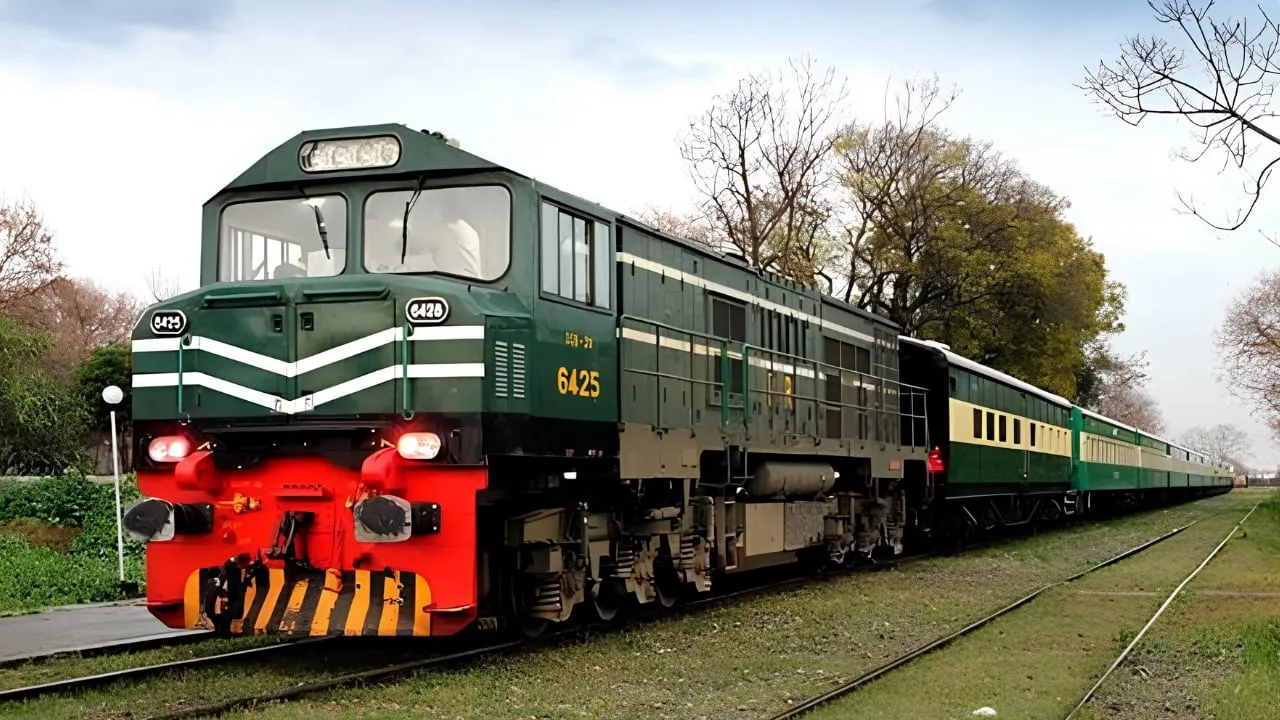
Pakistan Railways plans to bring 36 non-operational locomotives back into service by June 2027 to improve train operations, increase engine availability, and boost passenger and freight revenue. Operating a vast national rail network requires a reliable and substantial fleet of heavy engines. According to an official in the Ministry of Railways, the department currently has a fleet of 439 locomotives, of which 267 are operational while 172 remain out of service. Having nearly 40 percent of the fleet sitting idle creates severe bottlenecks in maintaining regular timetables and handling heavy freight loads across the country.
The stark disparity between functional engines and grounded machinery highlights the urgency of the upcoming maintenance drive. Locomotives suffer from mechanical wear and tear, age, and a lack of timely spare parts, which often forces engineers to sideline them. Bringing sidelined assets back to life is far more cost-effective than purchasing entirely new engines from international manufacturers, given the current financial constraints facing public sector departments. This rehabilitation strategy forms the cornerstone of the government plan to extract maximum utility from existing railway assets.
Timeline for Bringing Sidelined Engines Back to Track
Under the restoration plan, 16 locomotives are expected to return to service by February 2027, while another 20 will be restored following major overhauls by the end of 2026. The department will also repair locomotive No. 9021 and bring it back into operation by June 2027. Meeting these specific deadlines requires precise coordination between railway workshops, mechanical engineers, and procurement cells responsible for sourcing heavy machinery components. Each engine undergoing a major overhaul needs careful disassembly, inspection, machining, and reassembly before it can safely haul heavy passenger or freight rakes.
Workshops in major hubs like Lahore, Islamabad, and Rawalpindi often handle these intensive mechanical interventions. Technicians must inspect every critical system, from diesel power units and traction motors to braking mechanisms and electrical control panels. Completing the overhaul of 20 locomotives by the end of 2026 sets a demanding pace for workshop staff. Following that milestone, bringing the remaining 16 engines online by February 2027 and finalizing the repair of locomotive No. 9021 by June 2027 will mark a substantial recovery in fleet strength.
Engaging Original Equipment Manufacturers and Modernization Proposals
Meanwhile, Pakistan Railways has contacted the original equipment manufacturer (OEM) to explore the restoration of 69 additional locomotives. A PC-I for the modernization of 35 locomotives has also been submitted to the Ministry of Planning for consideration. Collaborating directly with the original builders ensures that technical specifications, proprietary parts, and specialized software updates match factory standards. This outreach to external makers represents a wider effort to salvage units that require more than standard domestic workshop attention.
The submission of the PC-I document to the Ministry of Planning is a formal procedural step required for public sector development projects in the country. This document outlines the financial outlay, scope of work, and expected socio-economic benefits of modernizing 35 engines. Securing formal approval and subsequent funding allocation from federal planning authorities will determine how quickly these additional modernization works can move from proposal to execution. Together, the OEM discussions and the planning submission point toward a multi-layered approach to fleet renewal.
Upgrading Passenger Facilities Across the National Network
Alongside the locomotive restoration drive, Pakistan Railways is upgrading passenger facilities across its network. Modern dining cars and coaches have been introduced on the Shalimar Express, Pak Business Express, and Islamabad Express. LED screens, water dispensers, and improved cleaning services are also available across trains. These onboard enhancements aim to reverse decades of declining passenger perception by offering cleaner, more comfortable environments for travelers spending hours on long-distance journeys.
The introduction of modern dining cars allows passengers to purchase food in hygienic conditions while moving between provinces. Upgraded coaches feature better seating arrangements, improved lighting, and modern sanitation systems. Regular cleaning routines and functional water dispensers directly address common passenger complaints regarding onboard hygiene and basic amenities. By targeting popular routes like the Shalimar Express, Pak Business Express, and Islamabad Express, the administration ensures that a large volume of daily commuters immediately experiences the upgraded standards.
Modernizing Station Infrastructure and Accessibility
The department has further upgraded station facilities, including escalators at Karachi and Lahore stations, free Wi-Fi, information desks, renovated waiting halls, and modern CIP lounges. Electronic information boards and ticket vending machines have also been installed, while wheelchair access and concessional fares remain available for eligible passengers. Major terminals like Karachi Cantonment and Lahore Junction serve tens of thousands of travelers daily, making them primary targets for infrastructural modernization.
Installing escalators at these high-traffic stations eases movement between platforms for elderly passengers and families carrying heavy luggage. Free Wi-Fi and electronic information boards keep travelers connected and informed about train arrivals and departures in real time. Renovated waiting halls and CIP lounges provide comfortable resting areas for ticket holders. Furthermore, maintaining wheelchair access and concessional fares ensures that the railway network remains accessible and affordable for disabled citizens, students, senior citizens, and other eligible groups.
Broader Economic Impact and Future Outlook
These initiatives are part of Pakistan Railways' broader efforts to improve service quality, strengthen operational capacity, and attract more passengers. A larger fleet of operational engines directly translates to more reliable timetables for both passenger and freight services. Freight transport is a vital revenue generator for the railway department, allowing industrial goods, coal, and petroleum products to move efficiently across the country without relying solely on highway trucking networks.
Increased passenger revenue helps offset operating costs and reduces reliance on federal bailouts. As more engines return to service and station amenities continue to improve, the overall business model of the state-owned enterprise stands to gain stability. Observers and commuters will watch closely to see if the department meets its strict deadlines for locomotive restoration by June 2027, as timely execution remains vital for long-term revitalization.