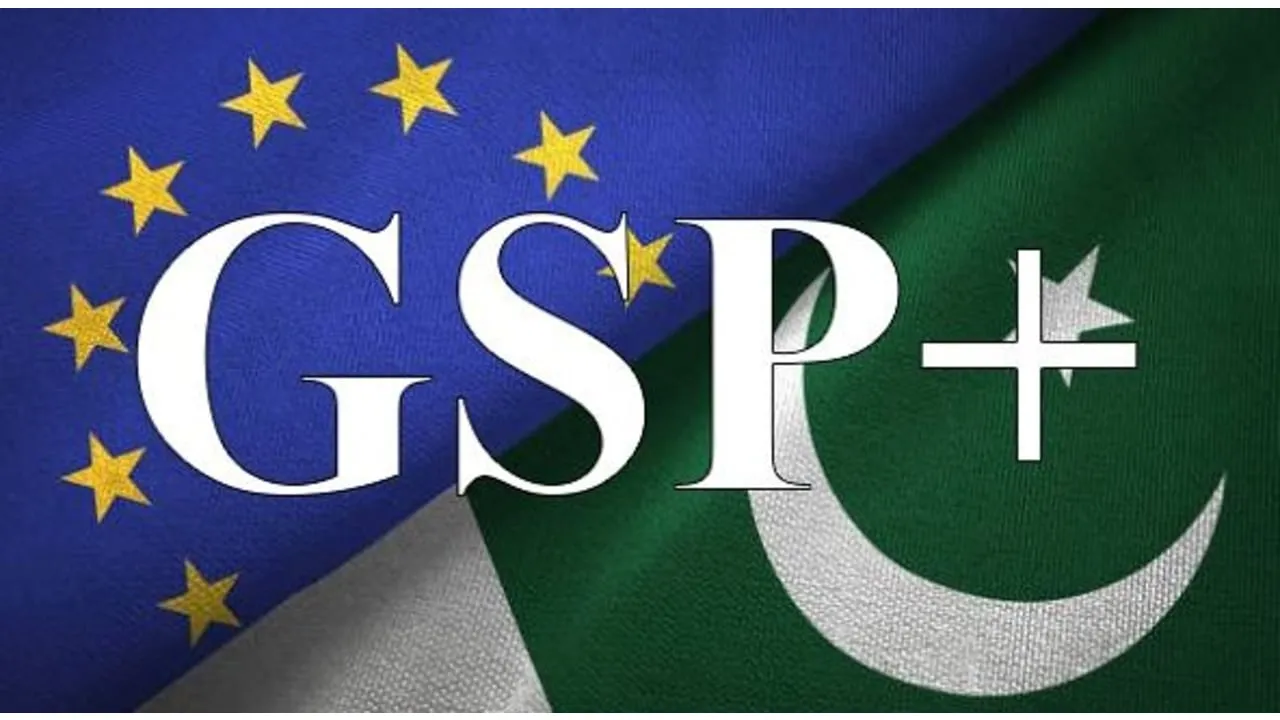
European Union officials told Pakistan to show better progress on human rights and the rule of law in order to keep receiving benefits under the next phase of the Generalised Scheme of Preferences Plus trade arrangement, as the textile sector faces potential risks from a trade agreement with India.
Pakistan's textile industry depends heavily on this arrangement, generating roughly 70 to 76 percent of the nation's shipments to the EU.
Raimundas Karoblis, the EU Ambassador to Pakistan, talked about the trade framework with Pakistan Textile Council leaders in Karachi on October 21, setting out expectations for the upcoming phase.
Discussions covered recent performance reviews, upcoming evaluations, and how crucial textile and apparel shipments are for bilateral commerce.
EU Seeks Stronger Implementation of Commitments
Karoblis pointed to an EU evaluation report for Pakistan covering the years 2023 to 2025, which came out on July 16, 2026. He noted that better enforcement of human rights and legal standards is required to maintain benefits under the updated trade scheme.
He explained that the union is not setting new conditions but wants Pakistan to fulfill obligations already agreed to under relevant United Nations treaties.
The European Commission intends to work more closely with Pakistani authorities, focusing on short-term progress in problematic areas before creating a detailed action plan featuring specific steps, timelines, and measurable targets.
The updated system prioritizes actual enforcement over merely passing laws or signing agreements.
Fawad Anwar, chairman of the textile council, stated that keeping GSP+ access is essential for value added textile and apparel exporters, job creation, tax payments, and the broader commercial network.
He cautioned that a free trade agreement between the EU and India might raise competitive challenges for Pakistani sellers, even if Pakistan keeps its preferential status.
Textile Industry Seeks Recognition of Sectoral Progress
Anees Khawaja, vice chairman of the council, mentioned that the EU report acknowledged advancements in human rights, labor standards, environmental protection, and governance.
He asked the ambassador to travel to Multan to observe how the trade scheme has supported jobs and economic growth in smaller urban centers.
Zaki Bashir, chief executive officer of Gul Ahmed, urged officials to evaluate conditions inside export-oriented textile and apparel factories separately from national performance metrics.
Council representatives also highlighted manufacturing standards, pointing to certified plants, female employment rates surpassing 70 percent at specific locations, and active labor committees.
Muhammad Hasan Shafqaat, chief executive officer of the council, requested clear guidelines and fair enforcement regarding new EU regulations, specifically the Digital Product Passport and supply chain due diligence rules.
He noted these mandates could broaden transparency and tracking rules across the entire production chain, potentially starting right at the farm level.
The council plans to share the meeting outcomes and industry suggestions with the Prime Minister's Office, the Ministry of Foreign Affairs, and the Ministry of Commerce.
The organization also provided technical help and sector knowledge to aid official coordination, offering a dedicated senior contact person.
Anwar, who sits on the government reapplication committee for the trade scheme, will deliver the industry proposals to that group.
In a separate effort, the council is drafting a report on the economic effects of the EU-India Free Trade Agreement on Pakistani shipments at the request of the Ministry of Foreign Affairs, with results going to the ministry, the prime minister's office, and the EU mission.
The council pledged to cooperate with authorities and the EU mission to help enact required reforms quickly, maintain preferential market entry, and safeguard the competitive position of local textile and apparel exporters.