Pakistan's Federal Government has moved to a daily adjustment system for petrol and diesel prices, with the Oil and Gas Regulatory Authority (OGRA) beginning the new schedule on July 17, 2026. The change follows a sharp drop in ex-depot prices for Motor Spirit (MS) and High Speed Diesel (HSD) as the country seeks to protect consumers from worldwide market turbulence.
What the New Daily Pricing Means for Consumers
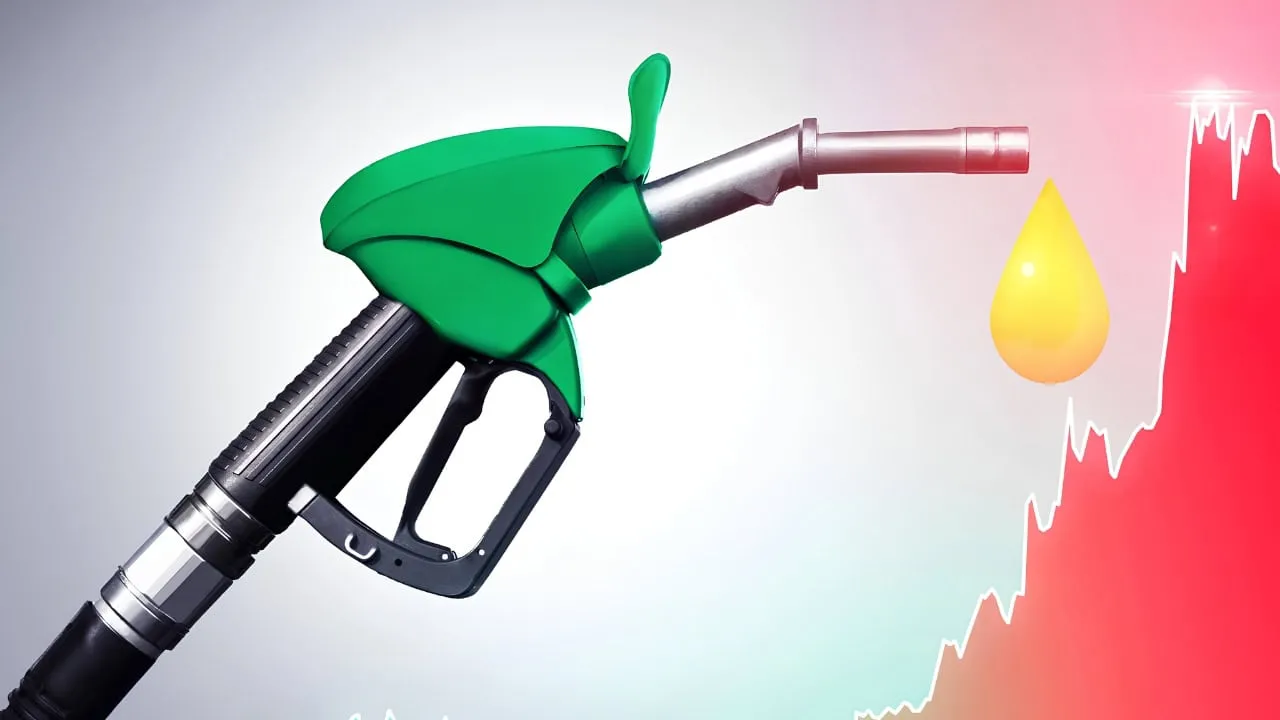
OGRA announced that the price of Motor Spirit will fall from Rs. 338.00 to Rs. 335.00 per litre, while High Speed Diesel will decline from Rs. 371.00 to Rs. 364.00 per litre. The table below shows the previous and revised figures:
| Product | Previous Price(11/10/2026) | Revised Price(12/10/2026) | Difference |
|---|---|---|---|
| Motor Spirit (MS) | Rs. 338.00 | Rs. 335.00 | -3.00 |
| High Speed Diesel (HSD) | Rs. 371.00 | Rs. 364.00 | -7.00 |
These adjustments will be applied every 24 hours, including weekdays and weekends, but will not change on Saturdays, Sundays, or public holidays, as OGRA clarified in an official statement.
Why Daily Adjustments Were Introduced
The decision follows what officials describe as the largest disruption to the world energy supply since the 1970s. The 2026 US-Israel war on Iran sparked a cascade of events that have choked global oil flows. In February, Iran blocked the Strait of Hormuz, a narrow waterway that normally carries about 25% of the world's seaborne oil trade. The United States responded with a naval blockade of Iranian ports, further limiting shipments.
After a brief ceasefire in June, fighting resumed on July 8 when renewed attacks on commercial vessels forced Iran to close the strait again. The United States then launched a series of airstrikes aimed at reopening the passage. The ongoing cross-fire and blockades have kept oil supplies tight, prompting governments worldwide to look for ways to cushion domestic markets.
How OGRA Calculates Daily Prices
OGRA's pricing formula combines several variables: international crude oil prices, exchange rates, transport costs, and taxes. Under the new regime, the authority will receive updated data each day, recalculate the ex-depot price, and publish the result before the start of the next trading day. The daily schedule aligns with the government's broader "price stability" policy, which seeks to avoid sudden spikes at the pump.
Historically, Pakistan revised fuel prices on a monthly basis, often after lengthy consultations with the Ministry of Finance and the petroleum industry. The shift to daily revisions eliminates that lag, allowing the market to respond more quickly to global price swings.
Impact on Different Stakeholders
Commuters and motorists will see a modest reduction at the pump, which could translate into lower monthly transport costs, especially for those who travel long distances.
Transport companies such as bus operators and freight haulers will benefit from a more predictable cost structure. Daily adjustments mean they can plan routes and pricing with less risk of unexpected fuel cost surges.
Industrial users of diesel, including power generators and agricultural machinery, will experience a similar price relief, potentially easing production costs in sectors already strained by higher input prices.
Retail fuel stations must update their price boards each day, a logistical challenge that the government says will be supported by a digital notification system sent directly from OGRA.
What the Global Oil Crisis Means for Pakistan's Economy
Pakistan imports more than 80% of its oil needs, making it highly vulnerable to external shocks. The current crisis has pushed international crude prices above $110 per barrel, a level not seen since 2012. By reducing domestic pump prices, the government hopes to curb inflationary pressure on food and transport, which together account for a large share of household expenditures.
Economists note that lower fuel costs can help preserve the purchasing power of low- and middle-income families, but they also warn that sustained reductions may strain the national treasury if subsidies are required to bridge the gap between market price and retail price.
Future Steps and Monitoring
OGRA has pledged to continue daily revisions as long as the global supply disruption persists. The authority will publish a weekly summary of price trends and will hold a press briefing every Friday to answer media queries.
The government has not announced a specific timeline for returning to a monthly pricing model. Analysts suggest that the daily system will remain in place until the Strait of Hormuz operates at pre-conflict capacity, or until international oil markets stabilise for at least three consecutive months.
Stakeholders are advised to monitor OGRA's official website and the Ministry of Finance's circulars for the latest updates.
Practical Takeaways for Readers
Motorists should check fuel price boards before filling up, as the price may change from one day to the next. Businesses that rely heavily on diesel should factor the daily price swings into budgeting and consider hedging strategies if feasible. Finally, consumers can expect modest savings at the pump for the near term, but should stay alert to possible future adjustments.
These daily adjustments will remain unchanged during weekends (Saturdays and Sundays) and public holidays.