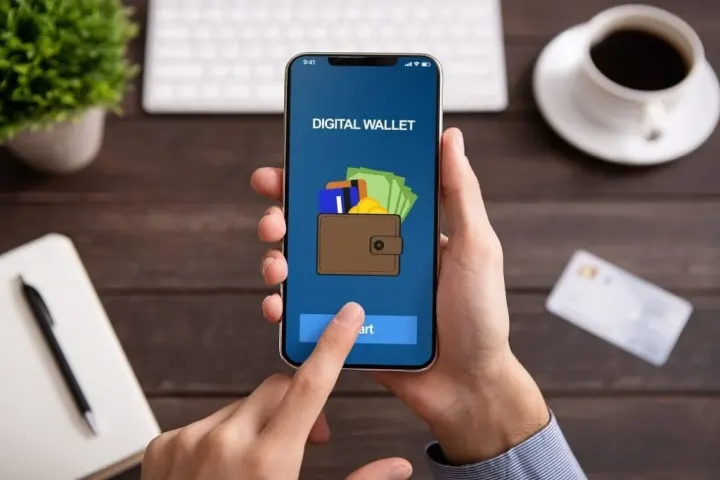
Importers and exporters could soon pay customs duties, taxes and other trade charges through a pre-funded digital wallet, as Pakistan Single Window (PSW) plans a new Unified Payment System (UPS) for cross-border trade payments.
The wallet will be run by a licensed bank or fintech company under a structure permitted by the State Bank of Pakistan (SBP), using its existing infrastructure rather than building a new system.
How the Wallet Will Work
Traders will be able to keep reusable balances and top them up through inter-bank fund transfers (IBFT), Raast, banking apps and portals, or over-the-counter deposits. They can also withdraw funds remotely.
The wallet will settle payments against payment advice generated within the PSW ecosystem. This covers the PSW platform, Maritime Single Window and Port Community System, Air Community System, Customs Clearance System and other PSW-linked services.
The service provider will handle fund custody, balances, top-ups, withdrawals, refunds, reversals and settlement, along with customer due diligence and anti-money laundering checks.
PSW itself will not hold, intermediate or settle customer funds. The wallet will connect to PSW only through the UPS, and PSW will be able to add more payment providers later without major changes to the system.
What This Means for Traders
At present, trade payments within PSW go through Pre-Deposit (PD) accounts and bank or payment-gateway-based mechanisms. The wallet will be an extra option alongside these, not a replacement, and existing PD accounts will not be migrated.
For businesses, the main gains are convenience and visibility. They can park funds in advance, pay several charges from one balance, and track each transaction, its settlement and reconciliation, which should make trade payments faster and more transparent.
Why Pakistan Is Introducing a Unified Payment System
Pakistan has long struggled with fragmented payment processes for cross-border trade. Importers often juggle multiple bank accounts, manual paperwork and delayed settlements, which increase costs and create opportunities for fraud. The State Bank of Pakistan introduced the Raast instant payment system in 2021 to modernise domestic transfers, but trade-related payments remained tied to legacy platforms.
The PSW, launched in 2019, integrates customs, port, and transport data to streamline clearance. However, the payment component lagged behind, relying on pre-deposit accounts that require separate reconciliation for each charge. By leveraging the existing SBP-approved infrastructure, the UPS aims to close this gap without the expense of building a brand-new payment rail.
Key Features of the Digital Wallet
- Pre-funded balance: Traders load money once and use it for multiple duties, taxes, and fees.
- Multiple top-up channels: IBFT, Raast, mobile banking apps, web portals, and cash deposits at bank branches.
- Remote withdrawals: Funds can be moved back to a bank account or used for other business needs.
- Automated settlement: Payments are matched against PSW-generated payment advice, reducing manual matching.
- Compliance built in: The service provider conducts KYC and AML checks, satisfying SBP regulations.
Impact on Different Stakeholders
Importers and exporters: The wallet reduces the number of transactions needed to clear a shipment. A single balance can cover customs duty, port handling fees, and air-cargo charges, cutting administrative overhead.
Customs authorities: Real-time visibility of payments improves revenue assurance and helps detect anomalies early.
Banking and fintech sector: Licensed providers gain a new revenue stream through wallet management fees, while the SBP expands the use case for its digital payment ecosystem.
Government revenue collection: Faster settlement shortens the cash-flow lag between import clearance and actual receipt of duties, potentially improving fiscal timing.
Implementation Timeline and Next Steps
The PSW has not announced a firm launch date, but the development roadmap indicates a pilot phase within the next six months, followed by a phased rollout to major ports and airports. Interested service providers must submit applications to the SBP, demonstrate technical compatibility with Raast, and undergo a compliance audit.
Once approved, providers will integrate their wallet platform with the UPS API, conduct end-to-end testing with the Maritime Single Window and the Customs Clearance System, and train trade users through webinars and on-site workshops.
Practical Takeaways for Traders
Businesses should begin assessing their current pre-deposit balances and identify which charges could be consolidated into a digital wallet. Early engagement with banks or fintech firms that intend to become UPS providers will help firms secure onboarding slots when the system goes live.
Companies that already use Raast for domestic payments will find the top-up process familiar, as the same instant-payment network underpins the wallet. Keeping accurate records of wallet transactions will simplify audit trails and support compliance reporting.
Potential Challenges and Mitigation Measures
Adoption may be slowed by limited awareness among smaller traders who rely on traditional bank channels. To address this, the PSW plans a nationwide awareness campaign, including radio spots in Urdu and regional languages, and partnerships with trade chambers.
Technical integration risks exist, particularly in ensuring that the wallet can handle high-volume settlement peaks during peak import seasons. The SBP requires providers to demonstrate scalability through load-testing before certification.
How This Fits Into Pakistan's Broader Digital Trade Agenda
The UPS aligns with the government's "Digital Pakistan" vision, which seeks to digitise public services and reduce cash-based transactions. By modernising trade payments, Pakistan hopes to improve its ranking in the World Bank's "Doing Business" index, specifically the "Trading Across Borders" indicator, which evaluates the efficiency of customs procedures.
International partners, including the World Bank and the Asian Development Bank, have highlighted payment inefficiencies as a barrier to trade competitiveness. The UPS could therefore attract foreign investment by signalling a more predictable and transparent trade environment.
What to Watch For
Stakeholders should monitor the SBP's official notices for the list of approved wallet providers, the detailed technical specifications released by PSW, and the schedule for pilot testing at Karachi Port and Islamabad International Airport. Updates will be posted on the PSW website and communicated through the Pakistan Trade Development Authority.
In the months ahead, feedback from pilot participants will shape final system parameters, such as transaction limits, fee structures, and integration points with other government portals.