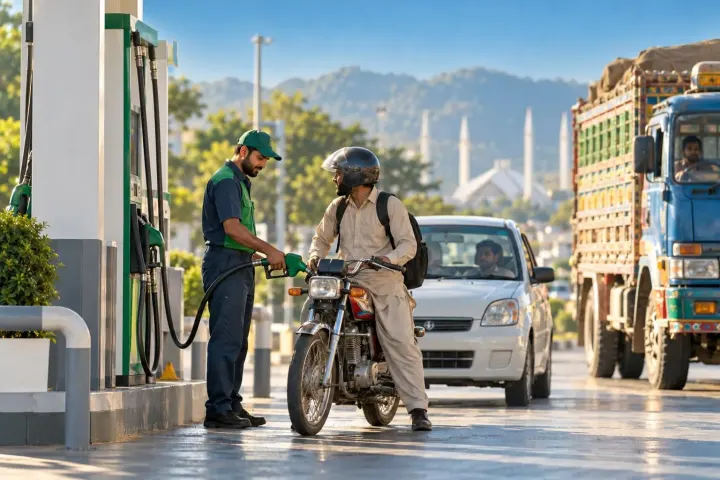
Understanding the Latest Fuel Price Reductions in Pakistan
The government has implemented a reduction in the ex-depot price of high-speed diesel by Rs7.76 per litre and petrol by Rs3.40 for November 3, 2026, offering temporary relief to motorists, transporters and farmers. This adjustment brings welcome news to citizens who have been grappling with high inflation and elevated energy expenses across the country. However, another determination is due on November 4 under the daily petroleum pricing system, leaving the duration of those savings uncertain and dependent on global market fluctuations.
Fuel pricing mechanisms remain a critical component of economic stability in the country, directly influencing transportation costs, food prices and overall consumer purchasing power. As citizens adjust their daily budgets to accommodate the new rates, energy sector analysts continue to monitor how international oil benchmarks translate into domestic retail adjustments. The frequent shifts highlight the complex nature of energy governance and the ongoing challenges faced by consumers trying to plan their monthly expenditures.
New Ex-Depot Fuel Prices and Regulatory Details
According to the Oil and Gas Regulatory Authority, both fuels carry lower ex-depot prices on November 3. The revised rates reflect the latest calculations based on international supply trends and local tax structures managed by federal authorities.
- High-speed diesel: Rs395.20 per litre, down Rs7.76 from Rs402.96.
- Petrol: Rs374.51 per litre, down Rs3.40 from Rs377.91.
These prices apply to November 3, 2026. The following day's determination means households and businesses cannot treat the reductions as a guarantee of continued lower fuel costs, as the regulatory framework requires constant recalculation.
Where the Reductions Offer Relief to Sectors
The larger diesel cut matters particularly to transport, farming and goods movement, where fuel is a direct operating expense. Trucks, buses, tractors, tube wells and other agricultural equipment depend on diesel, linking its price to the cost of moving goods and producing food.
Farmers rely heavily on diesel-powered machinery to irrigate fields, harvest crops and transport produce to local markets. Lower diesel expenses can temporarily reduce the cost of agricultural inputs, which in turn affects the wholesale and retail prices of essential food items. Similarly, the logistics sector benefits from reduced operating costs for heavy commercial vehicles hauling freight across national highways.
For petrol users, including motorcyclists and small-car owners, the reduction provides a modest saving on commuting. That offers some breathing room to households managing spending on fuel alongside electricity, food and education. Urban commuters who depend on personal motorcycles or compact cars for daily travel will experience a slight decrease in their weekly fuel expenditures, easing some financial pressure.
Daily Reviews and Market Uncertainty
Frequent fuel-price changes make budgeting harder for farmers, transporters, small businesses and motorists. Consumers with little room to absorb higher expenses remain exposed to sudden increases, even after a day of lower prices.
A lasting decline in diesel prices could ease transport and agricultural input expenses and potentially reduce some inflationary pressure. A reduction confined to a single day, however, is unlikely to materially change the overall cost of living. The shift to frequent adjustments means that retail rates fluctuate almost continuously, reflecting prompt adjustments to international petroleum product costs rather than long-term stability.
Broader Economic Implications of Energy Costs
Energy pricing policies affect nearly every sector of the economy, transmitting cost changes through supply chains to the final consumer. When fuel rates drop, transportation companies and manufacturers experience immediate relief, though the savings do not always translate instantly to lower prices on retail store shelves.
Conversely, upward revisions in petroleum prices quickly drive up the cost of public transport, freight hauling and power generation where backup diesel generators are used. Policymakers face the ongoing challenge of balancing revenue collection through petroleum levies with the social necessity of keeping energy affordable for the general public and productive industries.
What to Watch for in Future Price Determinations
With another determination scheduled for November 4, consumers and businesses must remain vigilant regarding market trends. International crude oil prices, exchange rate stability and government tax adjustments will dictate whether the current downward trend continues or if rates will rise again.
Stakeholders in the transport and agricultural sectors are advised to maintain flexible operational budgets to account for potential price volatility. While short-term reductions provide a welcome respite, long-term financial planning requires careful attention to ongoing regulatory updates issued by the Oil and Gas Regulatory Authority.