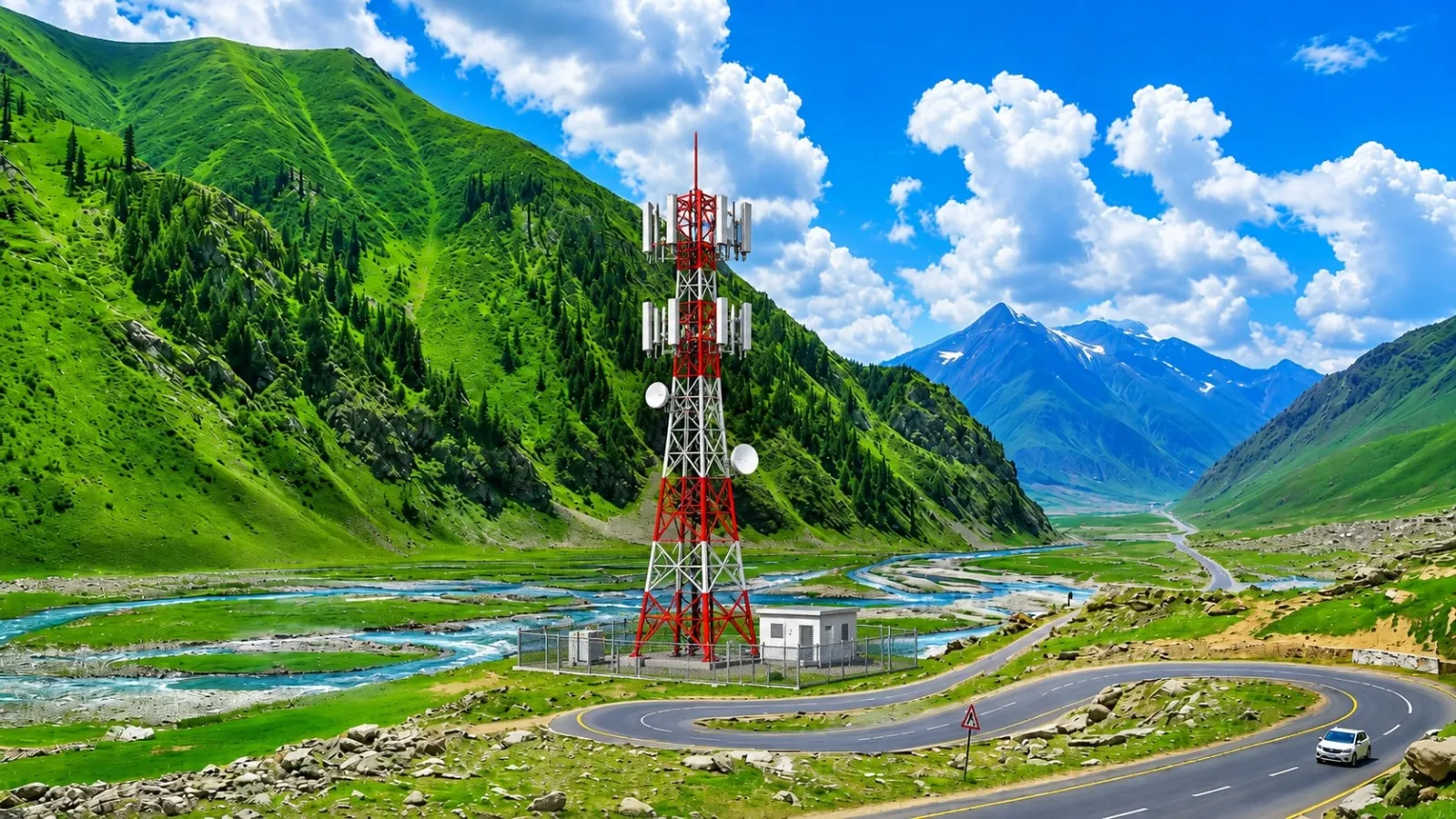
Pakistan Tourist Spots to Get High Speed Internet
Tourists visiting some of Pakistan's most popular destinations could get access to high-speed mobile internet and better call services under an initiative by the Universal Service Fund (USF). This rollout targets scenic areas and remote travel routes where current telecommunications coverage remains patchy, slow, or entirely absent, changing how visitors experience these regions.
The programme aims to improve mobile network coverage at tourist destinations and along travel routes where telecommunications services are currently unavailable or inadequate, benefiting both visitors and local communities. By upgrading digital infrastructure in remote locations, authorities hope to bridge the connectivity gap between major urban centers and high-altitude natural attractions.
Which Tourist Destinations Are Covered?
According to a Ministry of IT and Telecom document, the programme covers specific popular tourist destinations across northern regions. These locations draw thousands of travelers every year who currently struggle with dropped calls and lack of data access.
- Babusar Top, Mansehra
- Lake Saif-ul-Malook, Mansehra
- Sharan Forest, Mansehra
- Kumrat Valley, Upper Dir
- Mahodand Lake, Swat
- Galiyat
This will allow tourists to stay connected during their journeys, while improved telecommunications infrastructure is also expected to make digital services more accessible and support tourism-related businesses. Local hotel owners, transport providers, and shopkeepers will find it easier to process digital payments and manage bookings.
Enhancing Emergency Response Services
Beyond convenience and business growth, the programme also aims to improve emergency response services in remote tourist areas. Mountainous terrains and isolated valleys pose serious risks when accidents occur or medical emergencies arise without communication lines.
Reliable mobile connectivity will help tourists and local residents contact relevant authorities during emergencies, allowing concerned agencies to respond more quickly. Rescue operations depend heavily on timely phone calls, and stable signals will reduce response times for police, medical staff, and mountain rescue teams.
Project Status and Implementation Timeline
According to the ministry's document, two projects under the USF's Next Generation Broadband for Sustainable Development Programme for Tourist Destinations were under implementation during the financial year 2024-25. These ongoing works represent concrete steps toward fulfilling policy goals set by telecommunication regulators.
The programme is part of broader efforts to expand telecommunications infrastructure in underserved areas and improve access to digital services beyond Pakistan's major cities. Federal authorities continue to review remote connectivity needs as part of national digital inclusion strategies.
Understanding the Universal Service Fund
The Universal Service Fund operates by collecting contributions from telecommunication operators to finance network expansion in unprofitable or unserved rural zones. This mechanism ensures that commercial telecom providers extend coverage to remote areas where private investment alone might not make immediate financial sense.
By targeting scenic valleys and mountain passes, the fund addresses specific geographic bottlenecks that isolate travelers and hinder regional economic development. Past initiatives under similar frameworks focused mostly on basic voice telephony, but modern demands require high-speed broadband capability.
Economic Impact on Local Communities
Tourism serves as a major source of income for residents living near picturesque valleys and forests in Khyber Pakhtunkhwa and surrounding regions. Better internet access allows local entrepreneurs to market guesthouses, hire guides online, and reach a wider audience of potential visitors.
Visitors often hesitate to travel deep into remote zones if they cannot communicate with family or handle work obligations remotely. Reliable mobile networks remove this barrier, encouraging longer stays and higher spending within local economies.
Future Outlook for Digital Connectivity
As implementation proceeds through the financial year 2024-25, observers and travelers will watch for completion milestones across the listed Mansehra, Upper Dir, Swat, and Galiyat sites. Expanding these networks sets a precedent for addressing other remote regions across the country in future phases.
Federal agencies maintain that digital inclusion remains a priority for sustainable regional development. Bringing high-speed connectivity to mountainous terrain requires specialized engineering, and successful deployment here will pave the way for wider rural broadband adoption.