Prime Minister Shehbaz Sharif Commends Musadik Malik for New Delhi Diplomacy
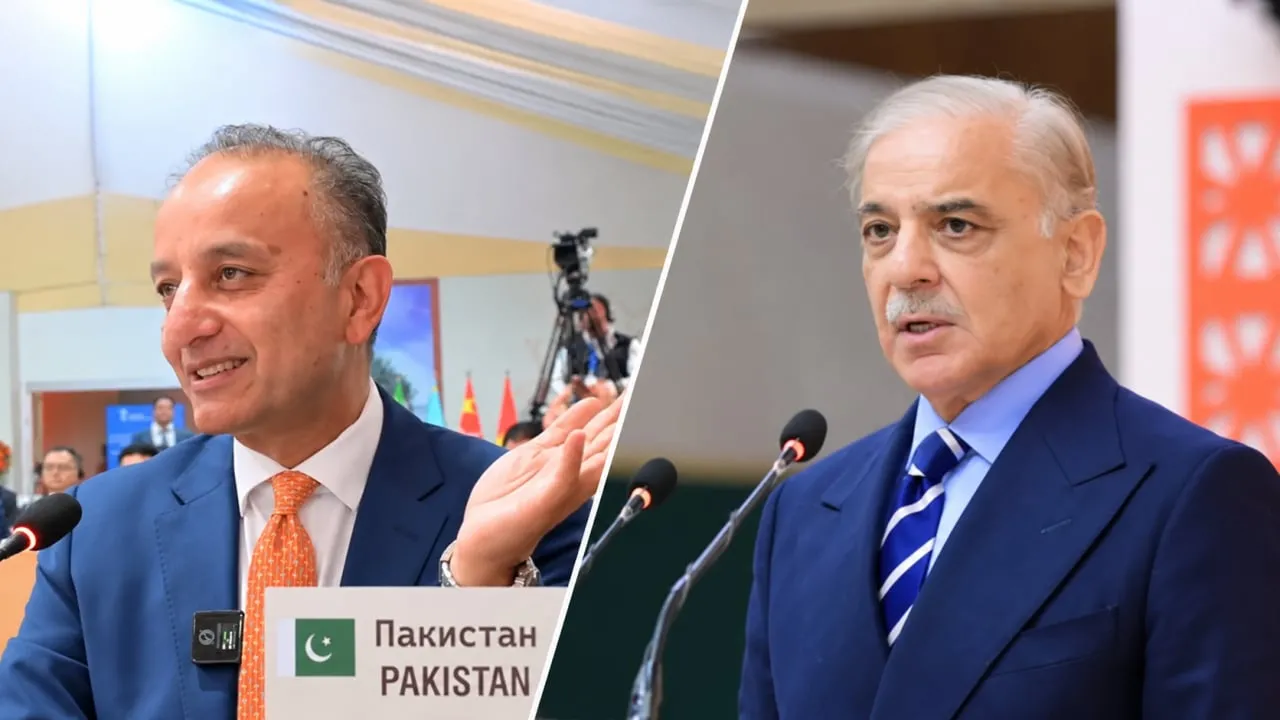
Prime Minister Shehbaz Sharif has praised Federal Minister for Climate Change Musadik Malik for representing Pakistan at the Shanghai Cooperation Organization Civilizational Dialogue in New Delhi. The premier commended his speech and presentation of the country history and regional realities during a formal meeting held in Islamabad.
During their discussion, the prime minister stated that Malik had represented Pakistan effectively at the dialogue and presented its history and ground realities in an impressive manner. The interaction highlighted the importance of international forums in shaping regional perceptions and building diplomatic bridges through cultural and historical engagement.
The recognition from the highest office in the country underscores the strategic value placed on international delegations. Ministers representing the state are frequently evaluated on their ability to articulate national narratives clearly while participating in multilateral summits hosted by regional rivals or partner nations.
Details of the Shanghai Cooperation Organisation Civilisational Dialogue
The Shanghai Cooperation Organisation held its inaugural Civilisational Dialogue Forum in New Delhi from November 20 to 22, 2026. The event brought together representatives from member states and partner countries to discuss shared cultural heritage, history, language, literature and religious traditions.
Multilateral platforms like the Shanghai Cooperation Organisation provide member states with structured environments to engage in dialogue outside of traditional political friction points. By focusing on civilisational ties, participating nations aim to foster mutual understanding across diverse geopolitical divides.
New Delhi served as the host for this specific inaugural gathering, welcoming delegates from across the region. Such summits require meticulous diplomatic coordination to ensure that cultural exchanges advance constructive state interests and promote regional stability.
Why Prime Minister Shehbaz Highlighted Urdu and Intellectual Clarity
Shehbaz also praised Malik speech style and command of Urdu, saying his approach had introduced a new standard of diplomacy based on patience and intellectual clarity to promote Pakistan positive image and identity in the region.
Using the national language on international platforms serves as a deliberate choice to project cultural authenticity and confidence. Observers often note that delivering substantive policy points in national tongues allows speakers to maintain precise nuance without relying on acquired foreign idioms.
The emphasis on patience and intellectual clarity points to a measured diplomatic strategy. In high-stakes regional forums, maintaining composure and presenting factual arguments methodically helps counter aggressive posturing and builds credibility among neutral observers.
Musadik Malik Briefing in Islamabad
Following his return from India, Malik briefed the prime minister in detail about his visit to Delhi and his participation in the SCO event. Comprehensive debriefings allow executive leadership to evaluate the outcomes of international missions and plan subsequent foreign policy steps.
Ministerial briefings typically cover bilateral interactions, side meetings with foreign counterparts, and general impressions of how national positions were received by the host nation and other attendees. This feedback loop ensures that the federal cabinet stays informed on evolving regional dynamics.
The detailed nature of the briefing reflects the sensitivity surrounding diplomatic missions involving neighboring states. Every statement made by a senior minister at an international forum is scrutinized by domestic and foreign analysts alike.
Understanding the Shanghai Cooperation Organisation Framework
The Shanghai Cooperation Organisation functions as a Eurasian political, economic, and security alliance. Founded in Shanghai in 2001 by the leaders of China, Kazakhstan, Kyrgyzstan, Russia, Tajikistan, and Uzbekistan, the bloc has since expanded to include India and Pakistan as full members.
While the organisation initially concentrated on regional security, counter-terrorism, and border stability, its mandate has gradually broadened. Cultural initiatives, economic partnerships, and civilisational dialogues now form an integral part of its annual calendar.
Participation in these varied forums allows Islamabad to engage with major regional players on multiple levels. It offers a channel for multilateral cooperation that runs parallel to bilateral tensions, ensuring continuous communication channels remain open across Central and South Asia.
Broader Impact on Regional Diplomacy and Public Image
Effective representation at international summits contributes directly to shaping a nation external image. When delegates articulate historical and regional realities with poise, it challenges prevailing stereotypes and encourages constructive engagement from regional partners.
The success of such diplomatic missions often depends on striking a balance between firmness on national interests and openness to regional cooperation. Leaders look for envoys who can navigate complex multilateral environments without provoking unnecessary diplomatic friction.
As regional organizations continue to expand their focus into cultural and civilisational domains, the role of skilled communicators will remain vital. Ministries must prepare their representatives to handle diverse audiences with intellectual rigor and linguistic pride.