Peshawar Begins Testing Automated E-Challan System
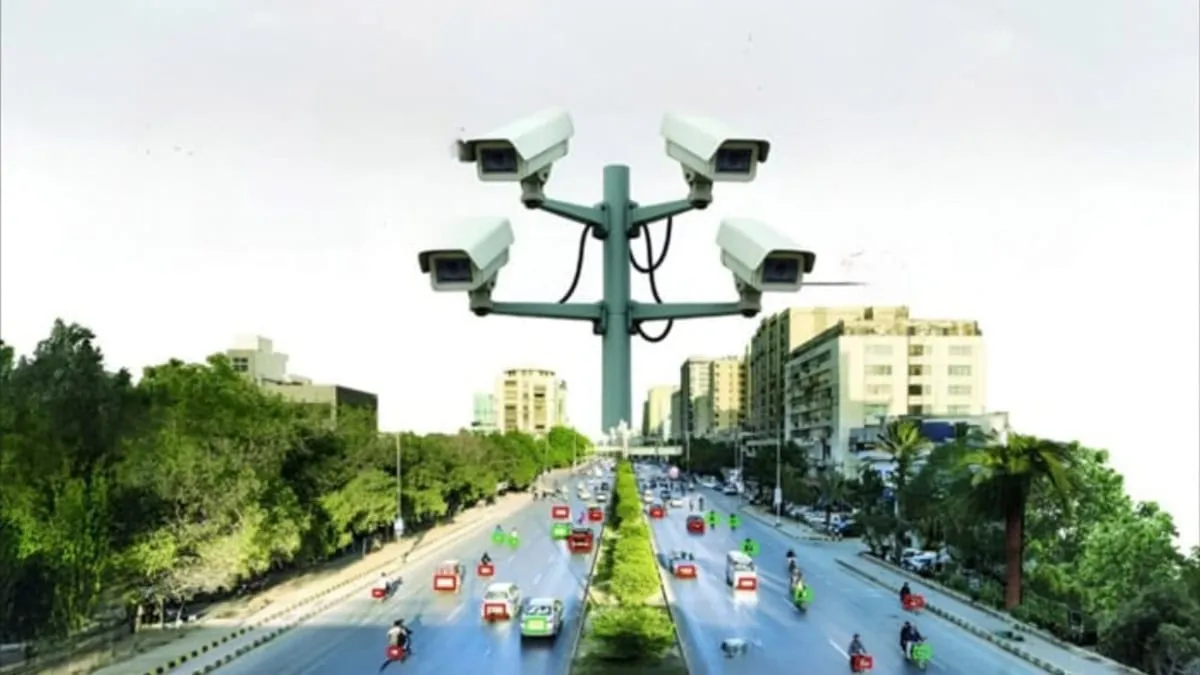
Peshawar has started testing an automated e-challan system on an experimental basis to monitor traffic violations through Safe City cameras. The system will identify motorists violating traffic rules and enable authorities to issue digital traffic fines. This technological shift represents a major upgrade for urban traffic management in the capital of Khyber Pakhtunkhwa, moving away from manual enforcement toward digital oversight.
Urban centers across the region face persistent congestion and rule-breaking, prompting law enforcement agencies to adopt technological solutions. By integrating high-resolution surveillance infrastructure with automated software, police departments can oversee vast stretches of road network simultaneously. The experimental phase currently underway serves to test the accuracy and reliability of the software before full implementation begins.
Which Traffic Violations Will Be Detected by the System?
The system will detect violations including driving without seat belts, riding motorcycles without helmets, running red lights, and driving on the wrong side of the road. Police officials said more than 15 million violations involving two types of traffic offences have been recorded during the trial phase, but no challans have been issued so far. This substantial volume of recorded infractions highlights the scale of rule-breaking that previously went unpenalized due to limited personnel on the ground.
Focusing initially on core safety infractions helps address the highest risks on city roads. Motorcyclists riding without helmets face severe head injury risks during accidents, making automated helmet detection a vital public safety feature. Similarly, running red lights and driving on the wrong side of the road are primary causes of severe collisions in urban intersections.
How the Safe City Cameras and Technology Work
DIG IT Khyber Pakhtunkhwa Ijaz Ahmed said the technology would help automatically identify offenders and improve traffic monitoring. Authorities plan to begin issuing automated e-challans for six types of violations after receiving formal approval. The technical framework relies on optical character recognition and video analytics to capture license plate details and match them against vehicle registration databases.
The integration of Safe City cameras creates a centralized monitoring network capable of logging infractions 24 hours a day. When a camera captures a vehicle committing a prohibited maneuver, the system logs the timestamp, location, and visual evidence. This digital trail ensures that administrative actions rest on verifiable data rather than subjective officer observation.
Background on Traffic Management in Peshawar
Traffic enforcement in Peshawar historically relied on traffic wardens stationed at major intersections to stop violators and issue paper tickets. While effective in specific locations, manual policing leaves many secondary roads and off-peak hours unmonitored. The introduction of the Safe City project provides the foundational camera infrastructure necessary for automated policing models seen in other major metropolitan areas.
Over recent years, law enforcement authorities have sought ways to modernize administrative procedures and reduce direct confrontation between citizens and traffic wardens. Digital ticketing minimizes arguments on the road and streamlines revenue collection for the provincial exchequer. The ongoing trials represent the culmination of infrastructure development aimed at bringing electronic governance to law enforcement.
Impact on Local Motorists and Transport Operators
Local motorists and daily commuters in Peshawar will experience a significant change in how traffic rules are enforced once the trial concludes. Drivers accustomed to minor infractions going unnoticed will face consistent automated tracking across equipped intersections and corridors. This shift requires greater adherence to standard operating procedures behind the wheel, from mandatory seat belt use to strict compliance with traffic signals.
Commercial transport operators, delivery drivers, and private car owners must ensure their vehicle registration records are accurate and up to date. Since digital fines will link directly to registered addresses or contact numbers, outdated registration details could lead to unpaid penalties and subsequent legal complications. Public awareness campaigns typically accompany such rollouts to educate drivers about the specific camera locations and active enforcement parameters.
Next Steps and Formal Approval Process
Authorities plan to transition from the current trial phase to active enforcement after receiving formal government approval. During the interim period, police analysts will review the data gathered from the millions of recorded violations to fine-tune the detection algorithms. Once the six designated violation types receive final administrative clearance, the system will begin dispatching digital fines to registered owners.
Citizens and observers should watch for official announcements from the Khyber Pakhtunkhwa police regarding the exact date active e-challan issuance begins. Until formal approval is granted, the system remains in its testing mode, meaning no financial penalties are currently being collected from the millions of detected offenders.